Blog
Wound Vac Therapy at Home in Florida: Setup, Troubleshooting, When to Call
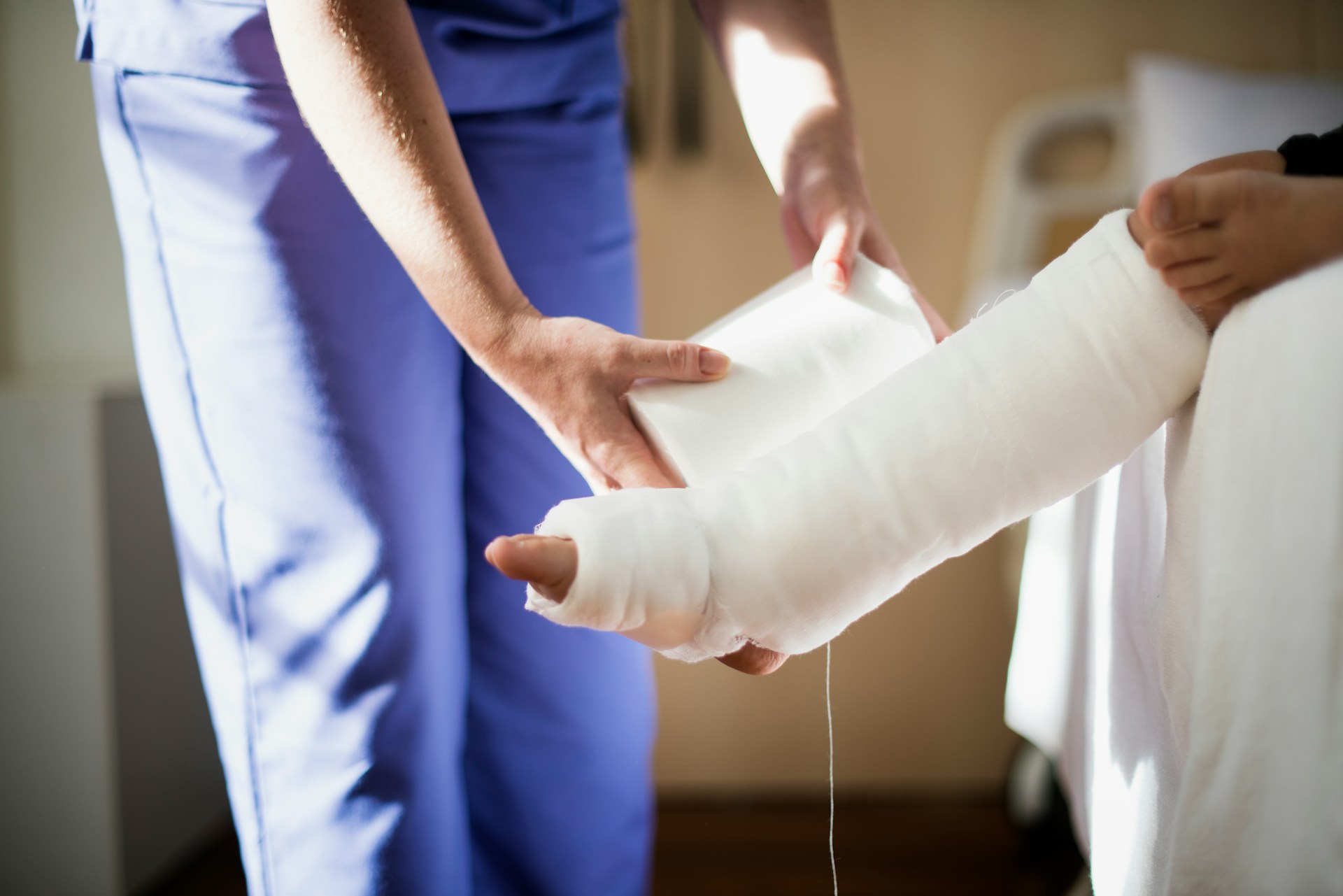
Wound vac therapy at home can feel scary at first, especially when there is a machine, tubing, and alarms to think about. With clear steps and good support, …
Wound vac therapy at home can feel scary at first, especially when there is a machine, tubing, and alarms to think about. With clear steps and good support, …
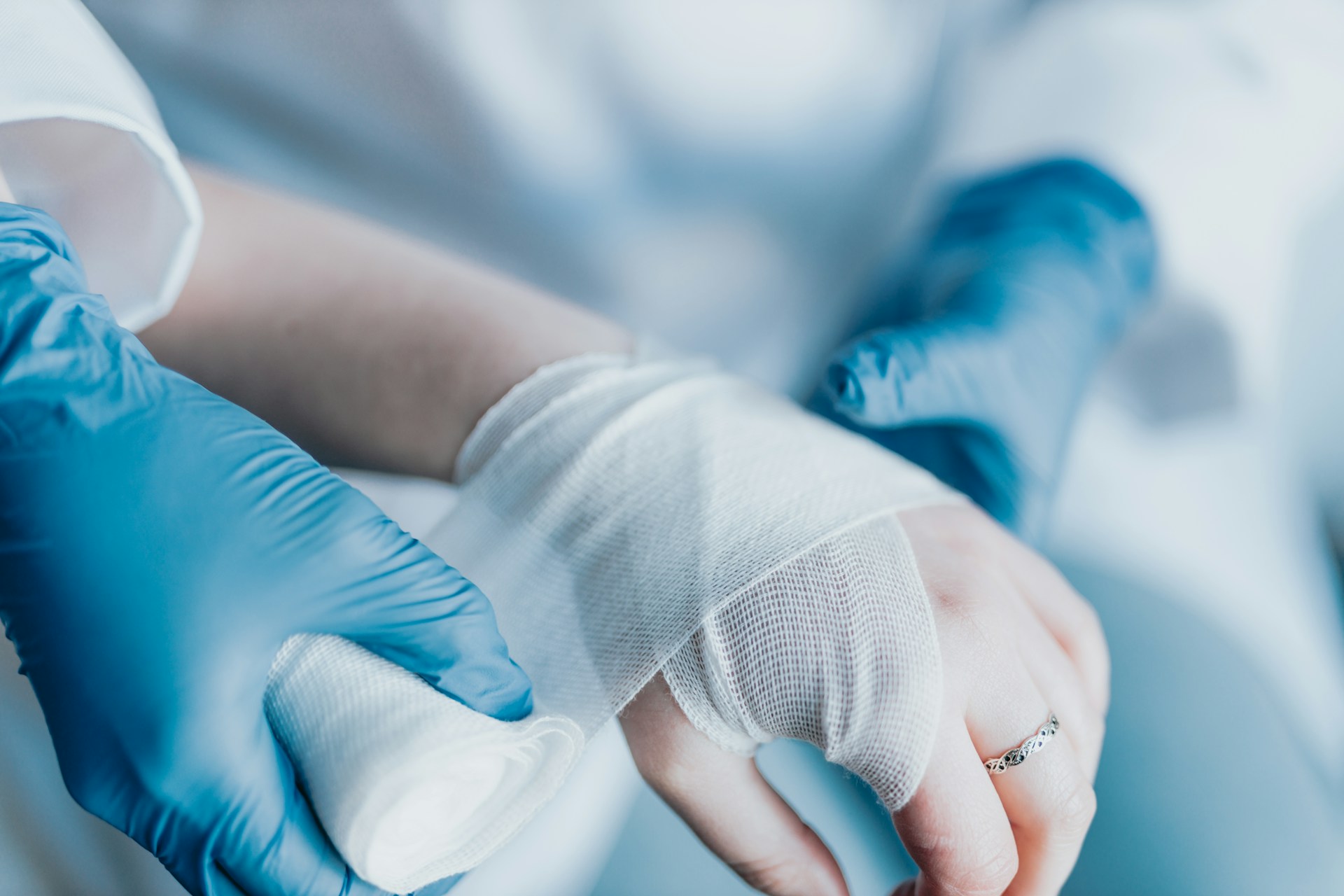
Mobile wound care in Florida matters for one simple reason: many seniors cannot easily leave home, but their wounds still need steady, expert care. Chronic w…
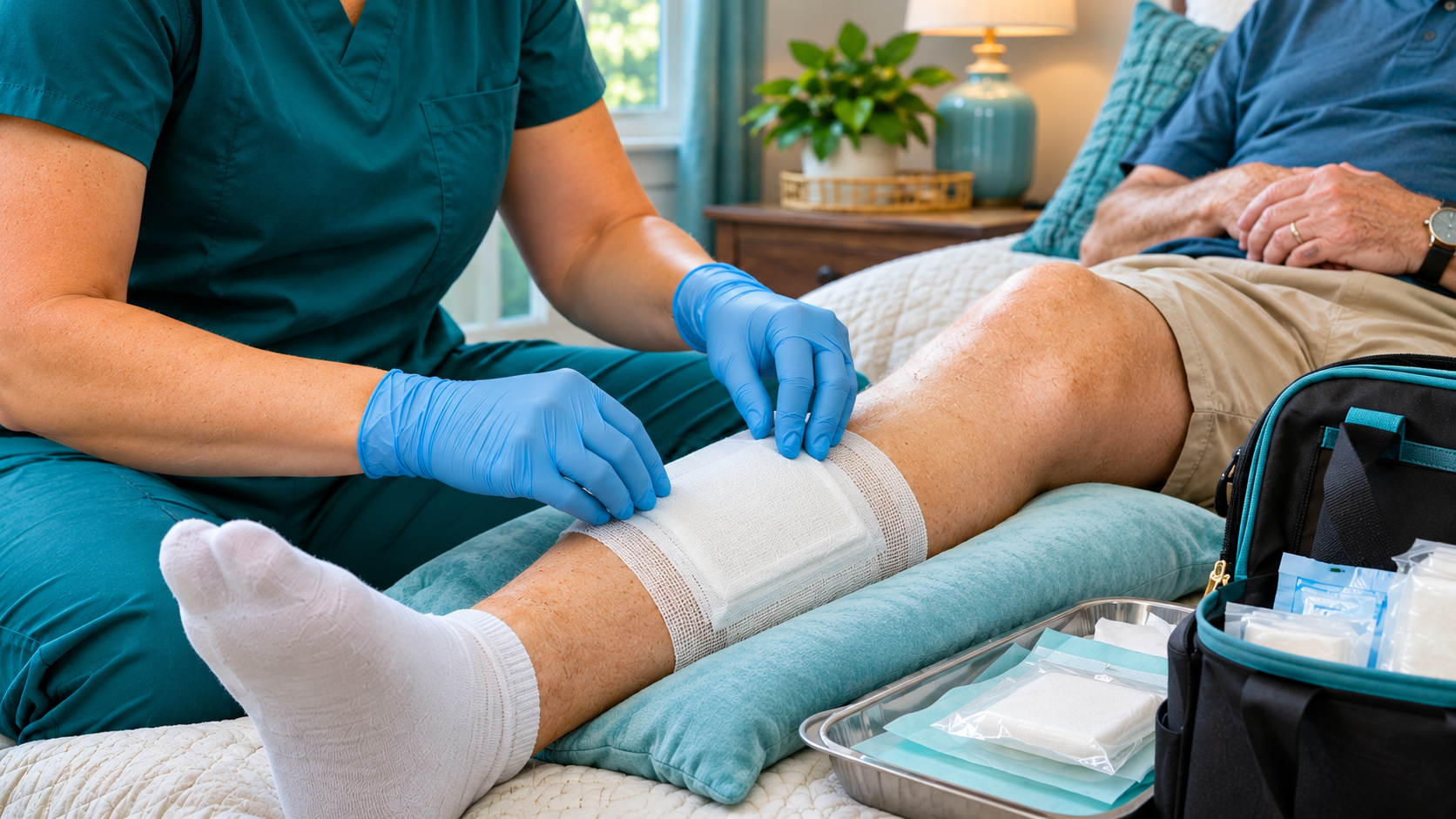
Mobile Wound Care Expansion in North Carolina | NIVA Health Wound Care
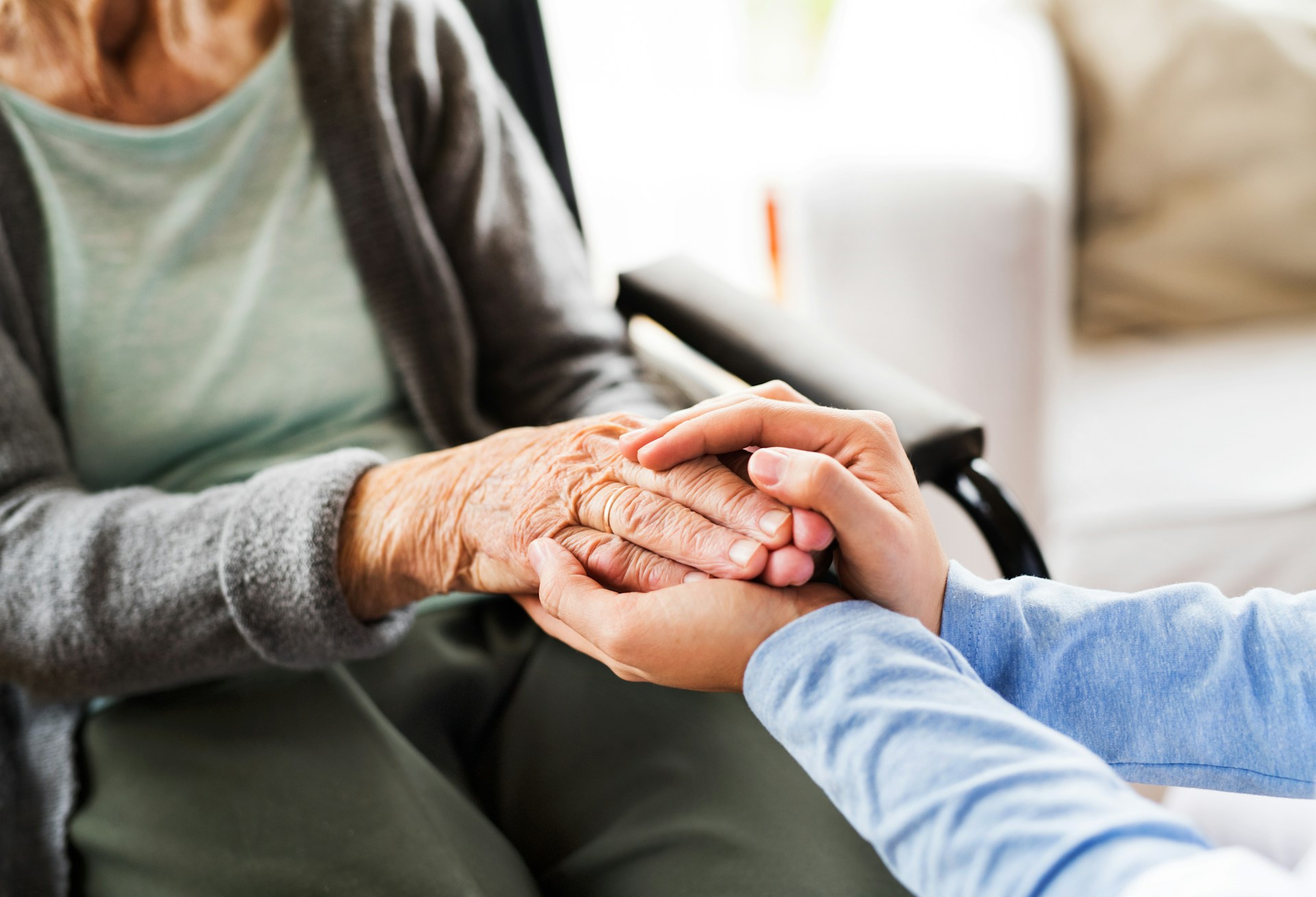
Caregivers across Florida see leg wraps and compression stockings all the time, especially in older adults and people with long-term health issues. Compressi…
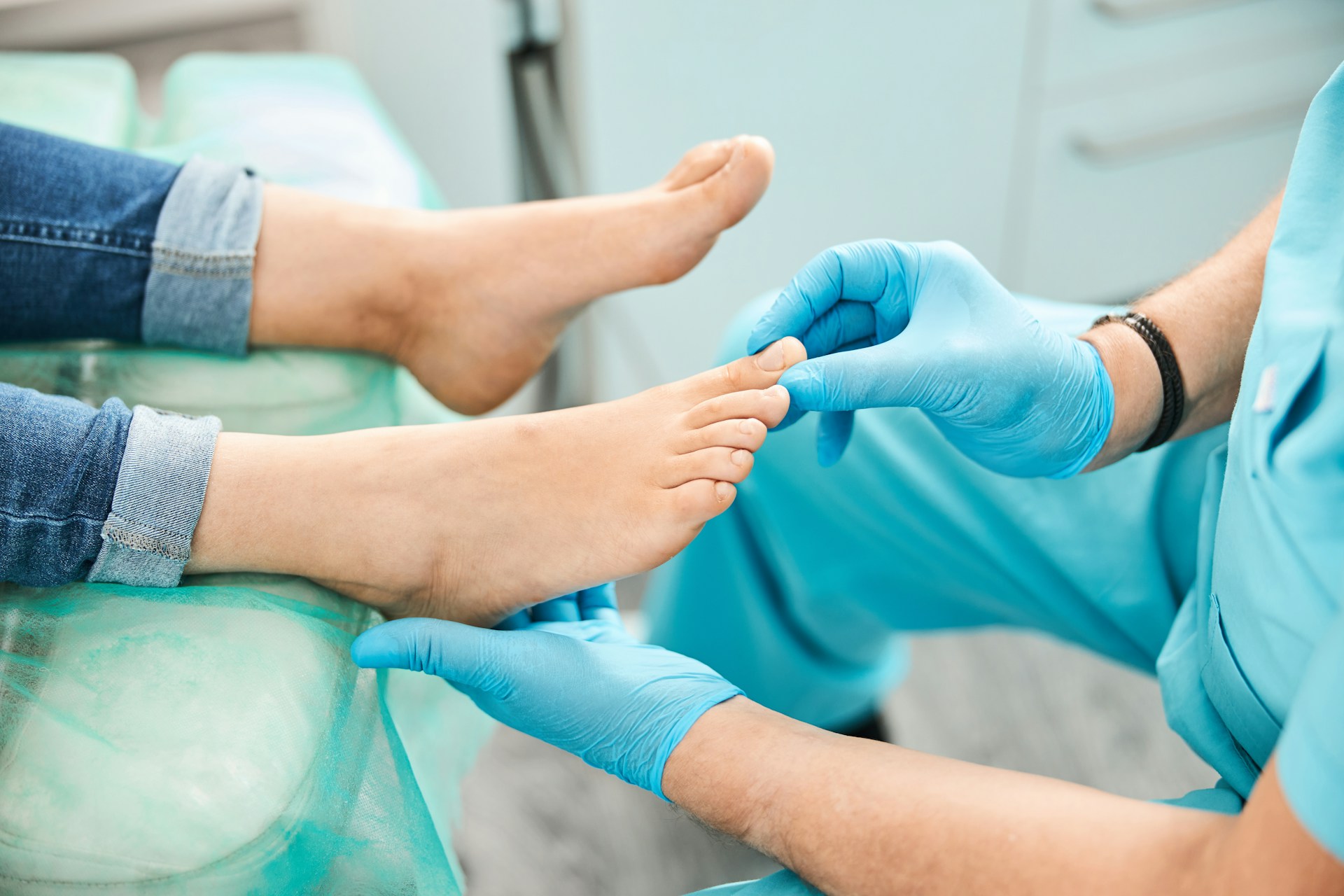
Venous ulcers are open sores that usually form around the lower leg or ankle when blood does not flow back to the heart the way it should. For many seniors i…
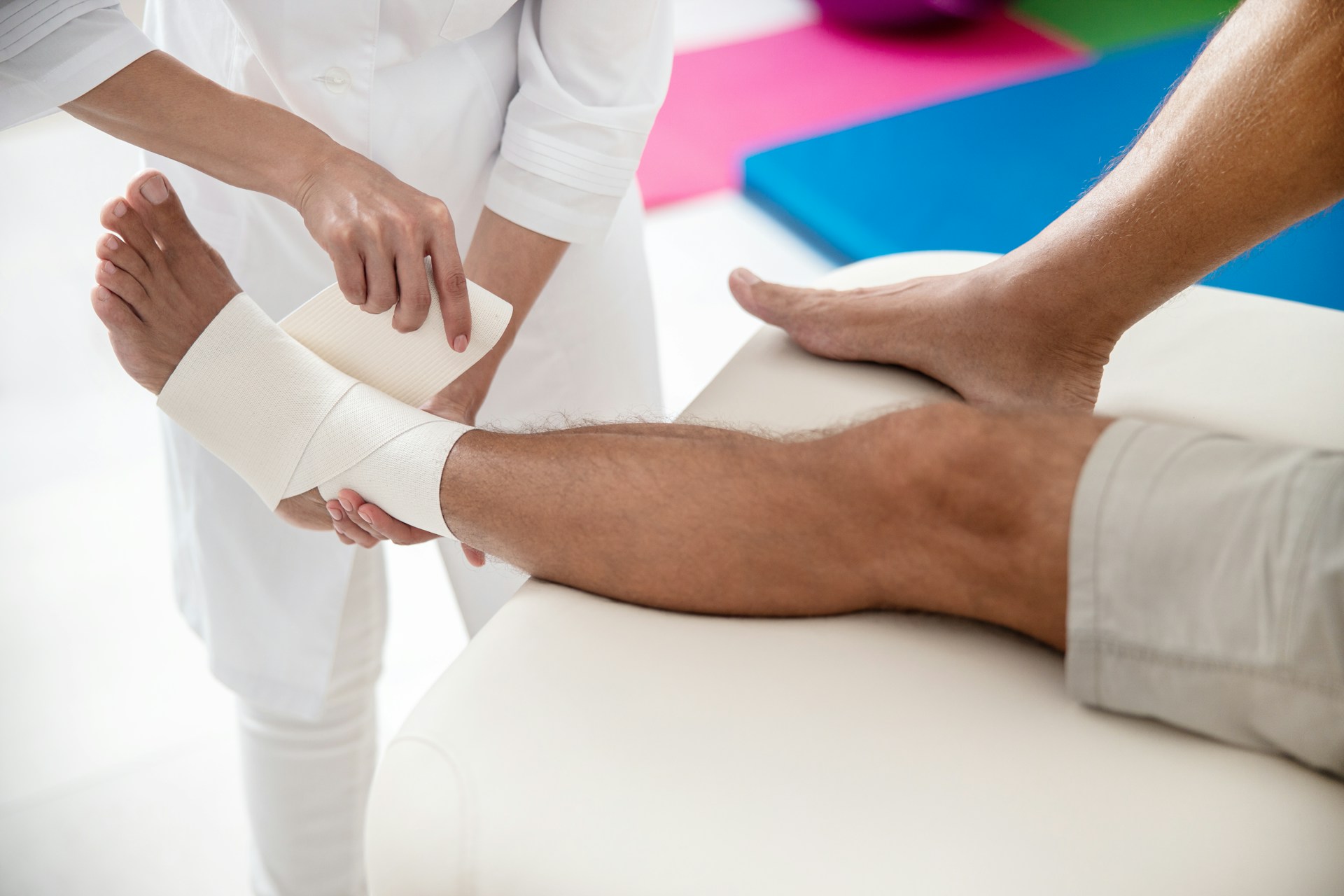
Healing from surgery at home can feel stressful, especially when you are worried about infection or the incision opening. The first month after surgery is wh…
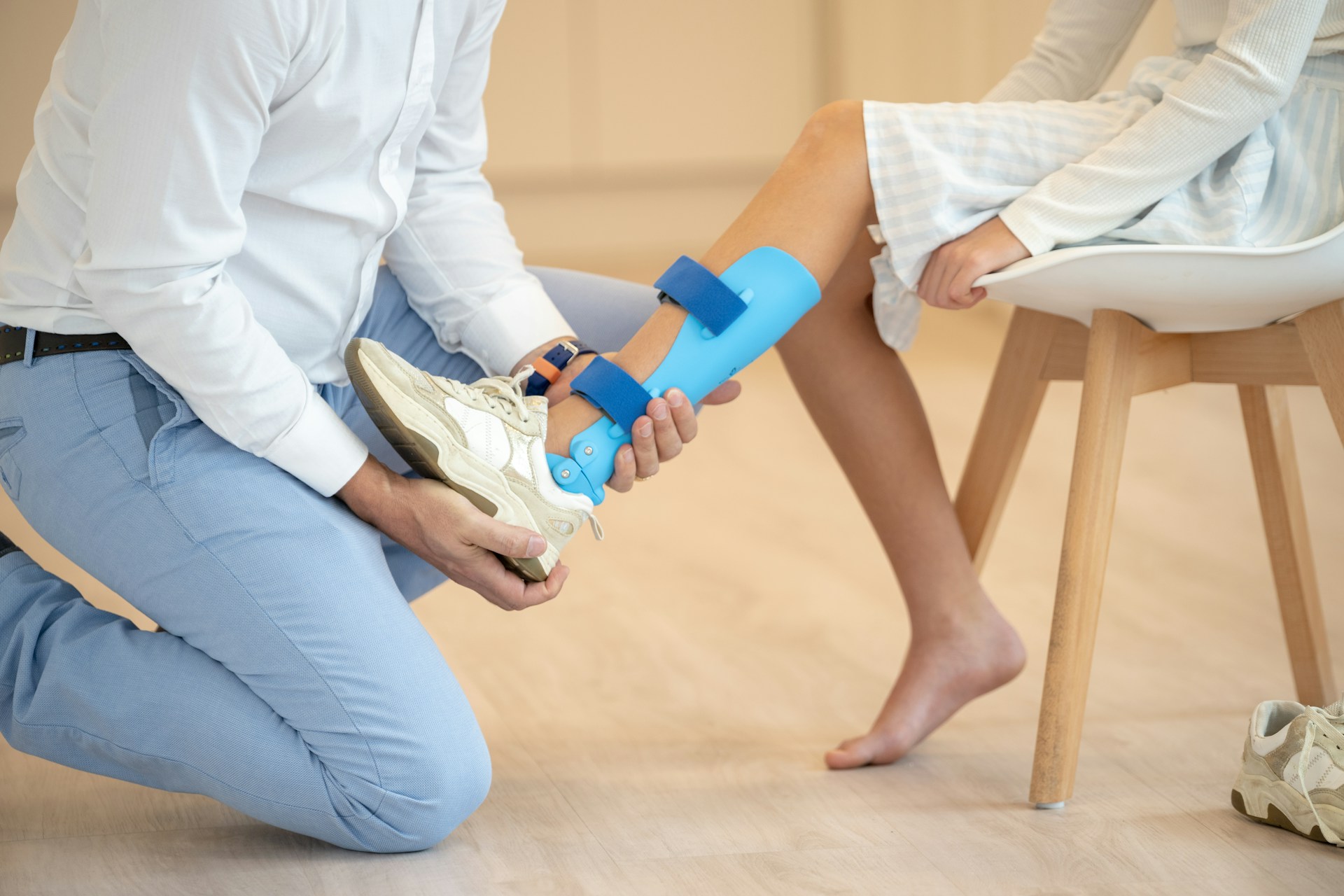
Long flights and long road trips can be hard on your legs. Sitting still for hours makes it easier for your feet and lower legs to swell and feel heavy. For …
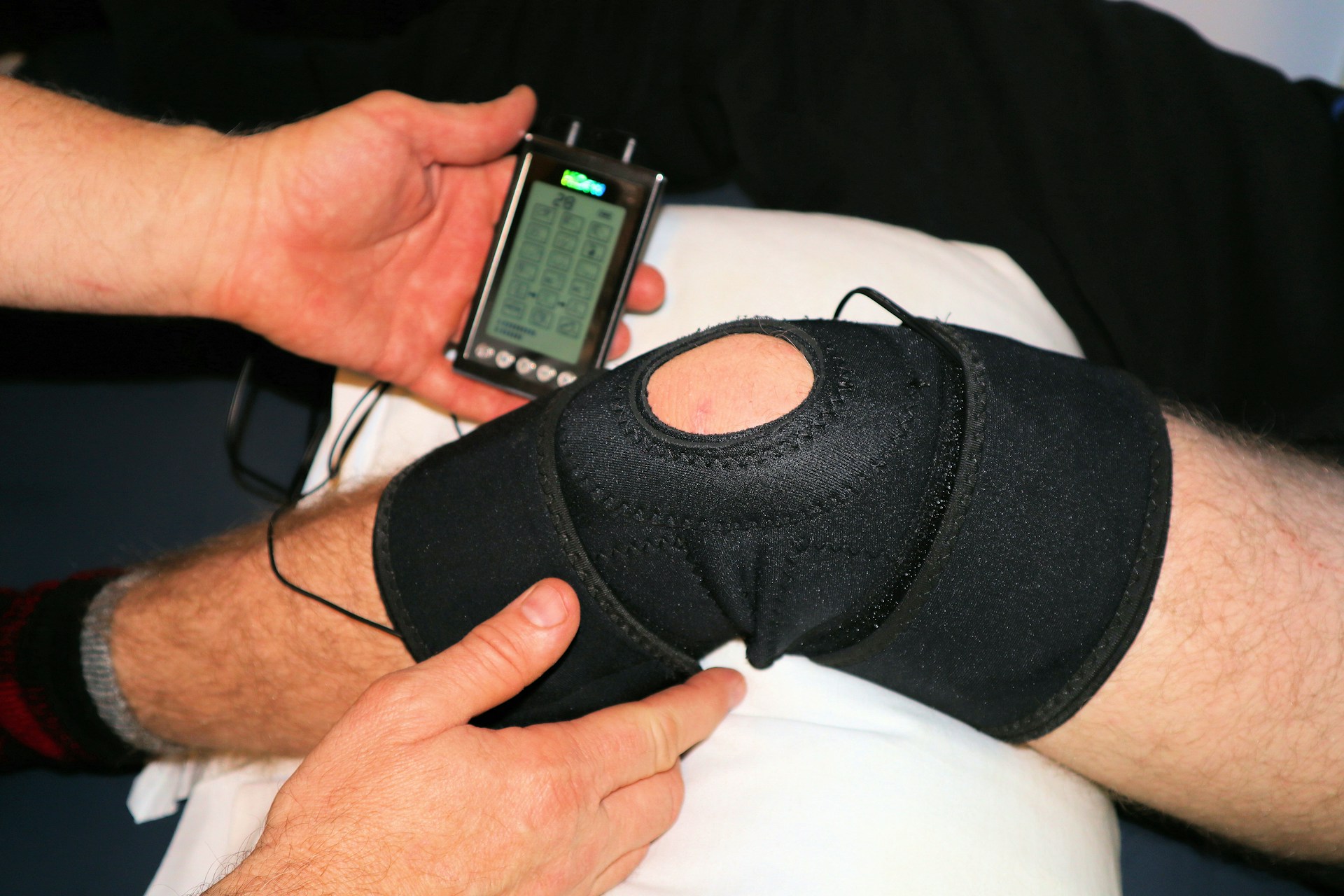
Compression therapy can be a powerful tool for people living with chronic leg swelling or wounds on the lower legs and feet. When it is used correctly, it su…

Living with diabetes means paying close attention to your feet, especially in a warm, humid place like Florida. Diabetic foot ulcers can start from something…
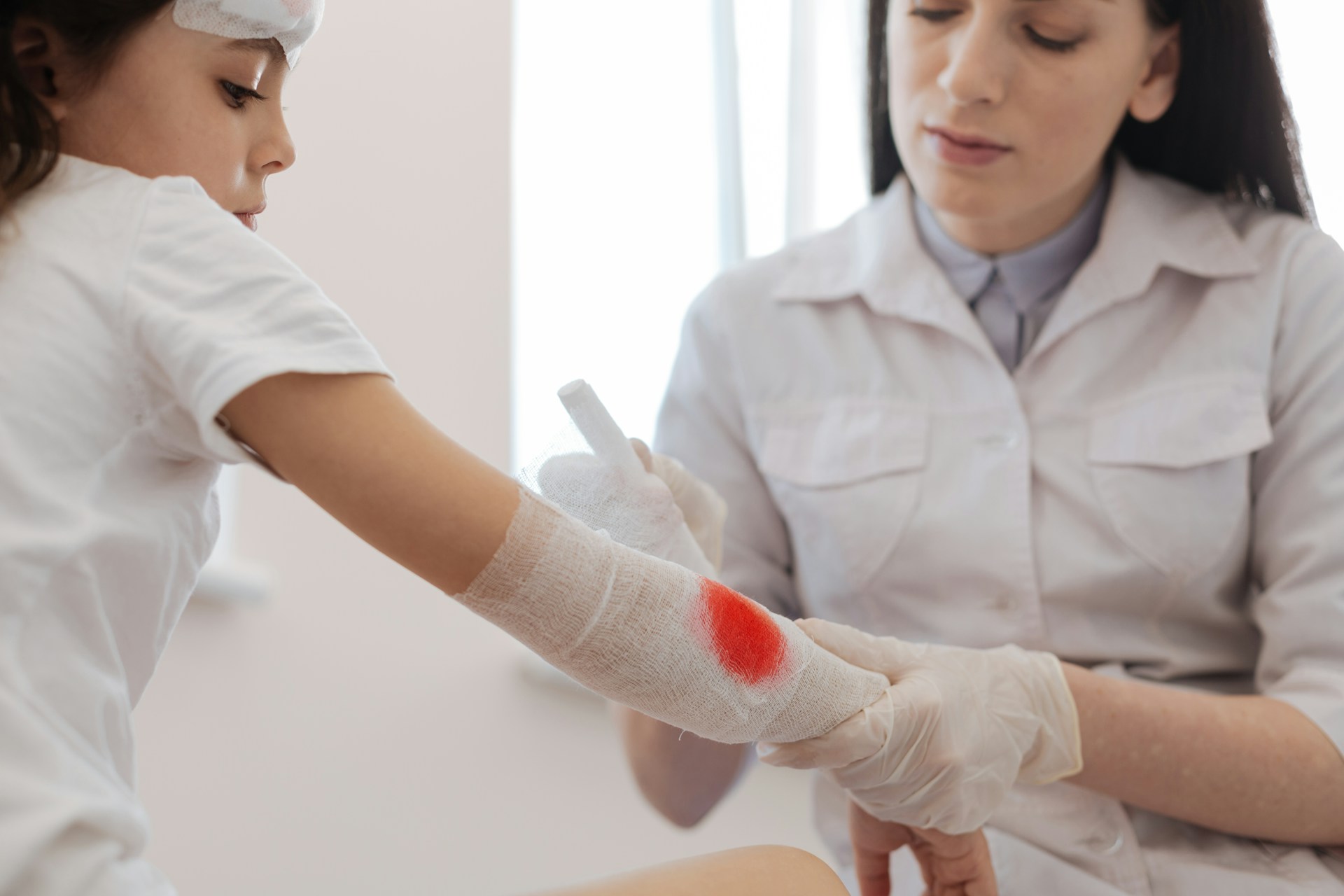
When someone first hears “wound vac,” it can sound a little scary. In reality, wound vac therapy is a gentle medical treatment that can help certain wounds h…
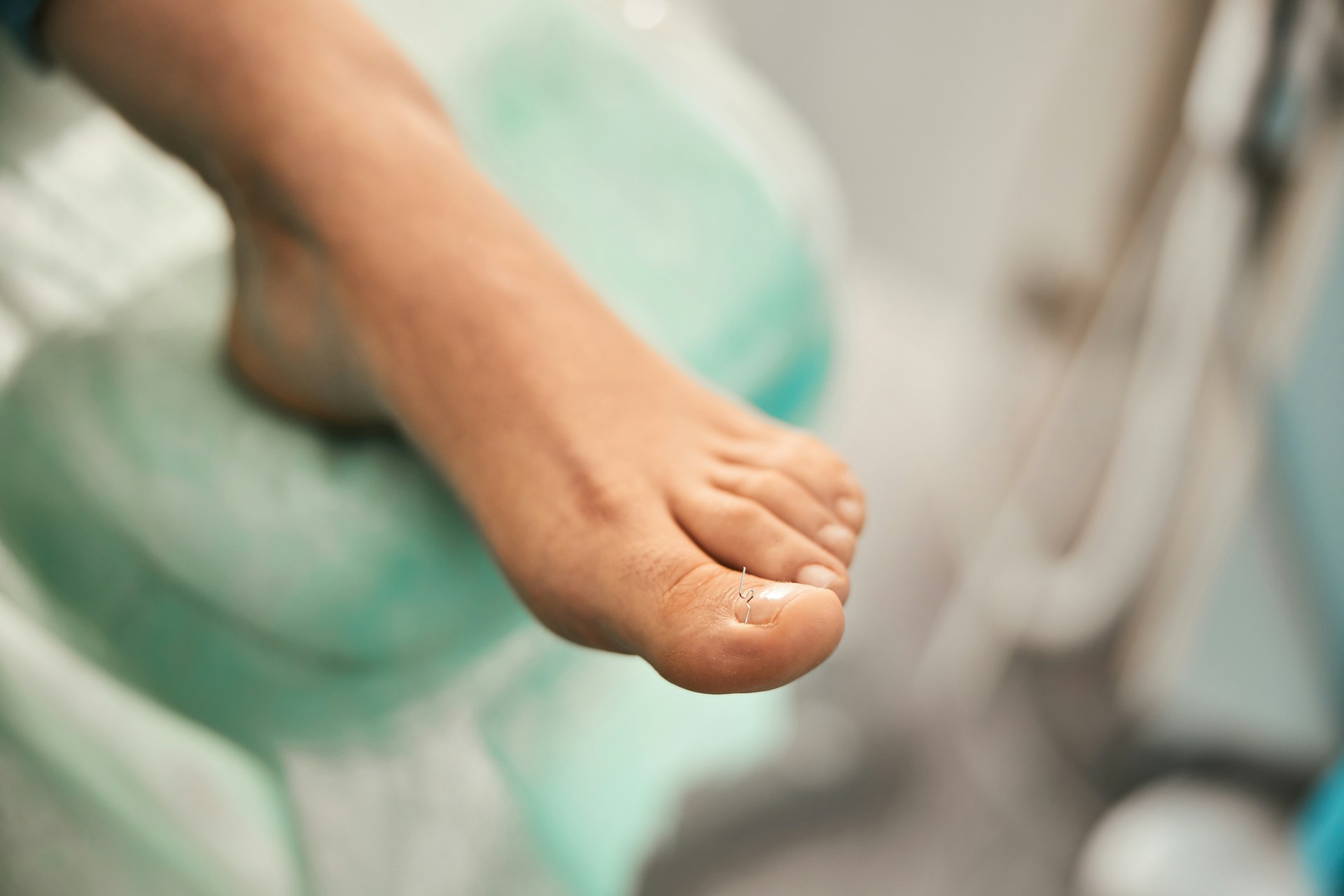
Diabetic feet need extra care all year, but Michigan winters add even more stress. Cold air can dry out skin, tight boots can rub, and poor circulation can m…
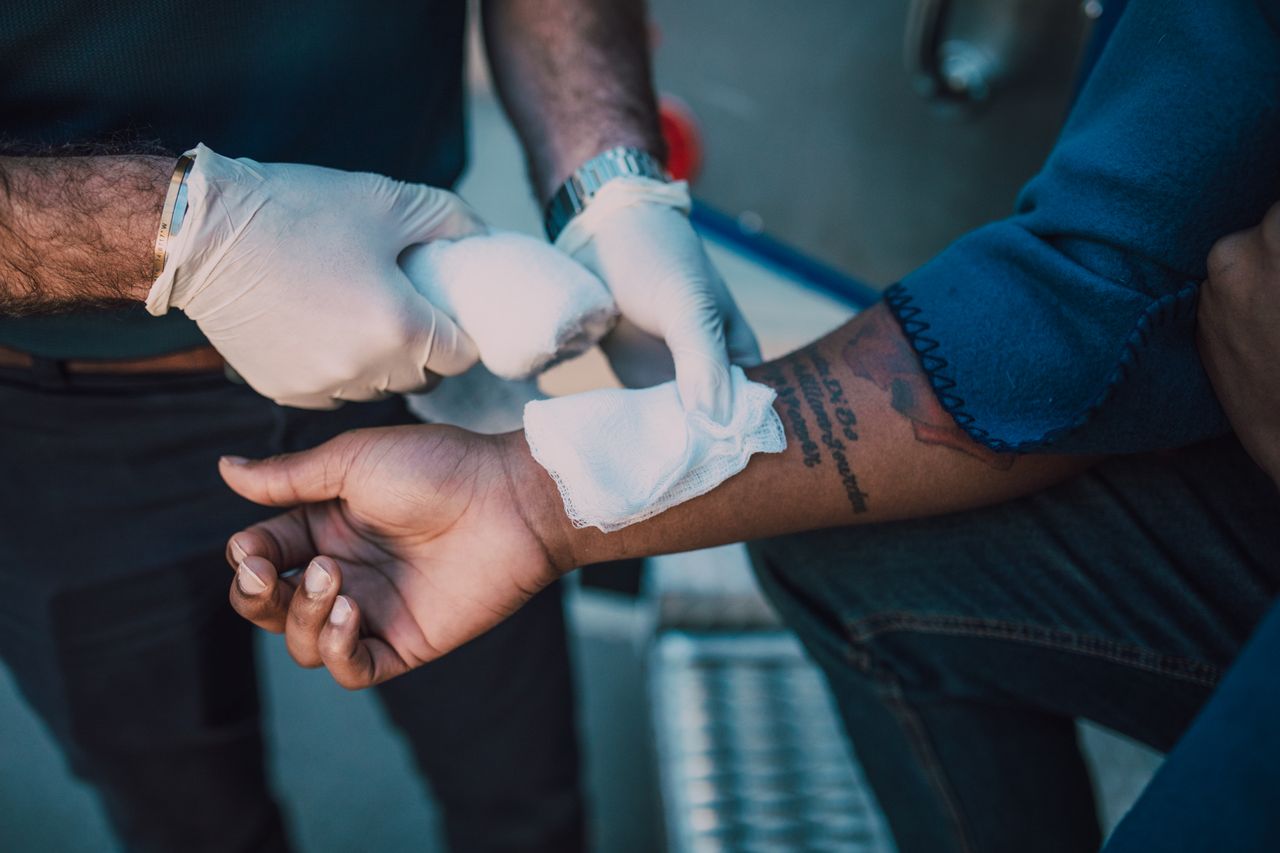
Faster Healing After Infection Starts Here When a wound gets infected, everything about recovery feels harder. Pain increases, drainage changes, and what seemed like steady healing can suddenly stall. Many people in Michigan see this happen when recovering from surgery, a diabetic foot ulcer, or a pressure injury. The good news is that treatment does not have to stop at creams and gauze. Wound vac therapy in Michigan is helping many patients heal faster after infection. Instead of long hospital stays and constant dressing changes, this therapy can be started early and continued at home or in a care facility. With physician-led wound care, treatment can stay strong and steady, even when an infection tries to slow things down. When infection takes hold, the body stays in a state of irritation. Swelling, extra fluid, and poor blood flow make it harder for new tissue to grow. This is where wound vac therapy can make a big difference by removing that extra fluid and helping the wound move forward again. How Infection Derails Wound Healing Infections can start in many kinds of wounds. We often see them in: Older adults and people living with diabetes, poor circulation, or other chronic conditions are at higher risk. Their bodies already work harder to repair tissue, so when bacteria get into a wound, healing can slow down even more. When infection is not controlled, it can lead to: In Michigan, the late summer and early fall months can be tricky. Humid days keep skin moist, which can break down dressings and skin around wounds. People are often outdoors more, which raises the chance of cuts, scrapes, and foot injuries. At the same time, as routines shift with school and weather changes, follow-up visits can get delayed. All of this lets small problems grow into bigger infections if they are not watched closely. What Wound Vac Therapy Does Differently Wound vac therapy, also called negative pressure wound therapy, is a simple idea with powerful results. A special foam or dressing is placed into the wound then sealed with an adhesive film. That dressing is connected to a small pump that creates gentle suction. In plain terms, the wound vac: This constant, controlled suction changes the wound environment. Instead of sitting in fluid and bacteria, the wound stays cleaner and more stable. People often notice: By giving the wound a cleaner, more stable setting, wound vac therapy helps the body do what it is trying to do already: build healthy new tissue and close the gap. Why Wound Vac Therapy in Michigan Improves Outcomes Timing matters a lot in the days and weeks after a wound infection is found. Early, aggressive care can keep problems from turning into long hospital stays or even amputation. This is where wound vac therapy in Michigan can be especially helpful. Many Michigan communities have higher rates of diabetes and blood vessel disease. In these areas, wounds can be slower to heal from the start. Some patients also live far from large hospitals or specialty wound centers. Travel can be hard, especially in bad weather or when walking is painful. For these patients, having access to wound vac therapy close to home can mean: Physician-led wound care services can carefully check if a wound vac is the right choice. The team can: This kind of coordinated care keeps the focus on long-term healing, not just short-term fixes. Mobile Wound Vac Care at Home and in Facilities Many people think wound vac therapy only happens in the hospital. That is no longer the case. Mobile wound care teams can bring hospital-grade wound vac treatment straight to patients where they live. Typical places where patients receive care include: A typical visit from a mobile wound care team often includes: This kind of mobile care can be especially helpful after an infection, because it supports: What to Expect From Wound Vac Therapy in Michigan Many patients feel nervous when they first hear about a vacuum on their wound. It helps to know what it is actually like. In most cases, people feel: Dressings are usually changed several times a week, depending on the wound and the treatment plan. The full length of therapy can vary. Some wounds need a shorter period of treatment, while deeper or more complicated wounds may need longer. Normal things to expect include: Signs that need fast attention can include sudden heavy bleeding inside the dressing, severe pain, a strong bad smell that gets worse, or fever and chills. Patients and caregivers are taught how to watch for these issues and who to inform. As seasons change in Michigan, people may also wonder how to live with a wound vac at home. The team can help with: Ongoing communication between wound care providers, primary care doctors, surgeons, podiatrists, and facility staff helps keep everyone on the same page. The plan can be adjusted based on how the infection is responding, pain levels, and wound measurements over time. Take Action Early to Protect Your Recovery When an infected wound is slow to heal, waiting often makes things worse. Extra drainage, new odor, or a wound that seems deeper or wider over time are all reasons to ask strong questions about the next step in care. Wound vac therapy may be considered for: Early, focused treatment can help protect your recovery and keep you where you want to be, at home or in your familiar care setting. At Niva Health Wound Care, we provide mobile, physician-led wound care services, including wound vac therapy, in homes and facilities across Michigan so patients can receive advanced treatment without leaving their community. Take The Next Step Toward Faster Wound Healing If you or a loved one is struggling with a hard-to-heal wound, our team at Niva Health Wound Care is ready to help with advanced solutions like wound vac therapy in Michigan. We will evaluate your wound, explain your options clearly, and create a care plan focused on safer, faster healing. To schedule an
Experience Faster, Gentler Relief for Hard-to-Heal Wounds MIST therapy is a type of wound treatment that uses gentle sound waves and a light spray of saline to help stubborn wounds heal. The device does not touch the wound, so treatment is usually more comfortable than scraping or cutting. For many people in Michigan, getting to a wound clinic can be hard. Icy roads, long drives, and limited mobility all make regular appointments a challenge. In this article, we will walk through what MIST therapy wound care in Michigan looks like, how it works, what you can expect during a visit, and how it may help people with complex wounds right at the bedside in homes and facilities. What Mist Therapy Is and How It Helps Wounds Heal MIST therapy is a non-contact, low-frequency ultrasound treatment. That sounds technical, but the idea is simple. The device sends gentle sound waves through a fine mist of sterile saline toward the open wound. The mist carries energy from the sound waves to the wound surface without anything touching the skin. Here is what those sound waves can help with at the wound site: Traditional wound care often includes debridement, which means removing dead or infected tissue. This can involve scraping, cutting, or using chemicals. That type of care is important but can sometimes be painful or stressful. MIST therapy is different in a few key ways: This makes MIST therapy a helpful tool in a complete wound care plan, especially for wounds that have slowed or stopped healing. Who Can Benefit From MIST Therapy Wound Care in Michigan Not every wound needs MIST therapy, but many long-lasting or complex wounds may respond well. Wounds that might be considered for this treatment include: Living in Michigan brings some extra challenges for wound healing. Cold weather can affect circulation, especially in the legs and feet. Ice and snow may keep people indoors and limit movement. Some people delay care when roads feel unsafe, and by the time they get help, the wound may be larger or infected. Rural areas can be far from hospital-based wound centers. For those patients, regular trips for care can be tiring, time-consuming, or even unsafe in winter weather. Mobile MIST therapy can help bring advanced treatment to them instead. MIST therapy is not right for everyone. It may not be the best choice when: Each person needs a careful review of their health, wound type, and goals. A physician-led team can help decide if this therapy fits into a safe care plan. What to Expect During a Mobile MIST Therapy Visit With mobile wound care, MIST therapy can come to the patient, whether they are in a home, assisted living, skilled nursing facility, or rehab center. A visit is not just about the device. It is a full medical evaluation focused on the wound and the whole person. A typical visit may include: During the actual treatment, most patients feel: Each wound area usually takes only a few minutes. The provider will often protect the surrounding skin, then move the small applicator over the area while the mist is delivered. After the MIST therapy is complete, the team will: For Michigan patients, daily habits matter, especially in colder months. Care plans may also include: The goal is to build a routine that supports healing between visits, not just during treatment sessions. Why Choose Physician-Led MIST Therapy Wound Care in Michigan When a doctor leads the wound care team, treatment is about more than the surface of the skin. Many hard-to-heal wounds are linked to deeper medical issues, such as diabetes, heart disease, or vascular problems. These conditions need careful and ongoing medical attention. Physician-led mobile wound care can offer: For people who struggle with transportation, especially during Michigan’s icy and snowy seasons, having care come to them can reduce missed visits and stress. Families and facility staff often feel more supported when they do not have to arrange frequent trips to outside clinics for every wound care step. Better coordinated care may support: When MIST therapy is part of this larger physician-led plan, it can be one more helpful tool to move a stalled or painful wound in the right direction. Take the Next Step Toward Better Wound Healing This Fall As the weather cools and travel can get harder, it is important not to ignore wounds that are slow to heal. A small sore on a foot or heel can change quickly when circulation, mobility, and blood sugar control are under strain. When someone is considering advanced options like MIST therapy wound care in Michigan, it helps to gather key information, such as: Niva Health Wound Care provides physician-led, mobile wound care that includes MIST therapy at the bedside for patients in facilities and homes. Our team focuses on complex wounds that need advanced attention, with the aim of safer, more comfortable healing for people throughout Michigan. Take The Next Step Toward Healthier Healing If you are ready to explore advanced options for chronic or hard-to-heal wounds, our team at Niva Health Wound Care is here to help. Learn how MIST therapy wound care in Michigan can support your recovery with a personalized treatment plan. To schedule an appointment or ask questions, simply contact us and we will guide you through your next steps.
Nursing home wound care in Florida can be hard even on a good day. When a resident’s pressure injury or diabetic ulcer does not get the right eyes on it in time, things can go very wrong, very fast. Families want to trust that wounds are watched closely, and leaders want to avoid preventable transfers and stress for everyone involved. We see a common gap across many facilities. Nursing staff works hard, but they often do not have a physician at the bedside looking at complex wounds on a regular basis. That missing piece can lead to missed warning signs, slower healing, and more trips back to the hospital. In this article, we talk about what gets missed without a physician, why Florida facilities face special risks, and how mobile advanced wound care can close those gaps. When Wound Care Lacks a Physician, Residents Pay the Price In many Florida nursing homes, a resident might start with a small red area on the tailbone or heel. Staff may follow standard wound orders, change dressings, and chart every shift. But if that area deepens or starts to smell, a physician may not see it right away. By the time a provider lays eyes on the wound, the resident could already be dealing with a serious infection. Routine nursing protocols are important, but complex wounds are different. These include: These wounds often need a higher level of clinical judgment. Questions come up that only a physician can answer, such as whether deeper tissue is involved, if debridement is needed, or if antibiotics should change. Many nursing homes rely heavily on nursing staff and occasional consultants. What is often missing is steady, physician-led wound care right at the bedside. Without it, small problems can quietly grow into big ones that affect the whole facility. Why Complex Wounds in Nursing Homes Are so High-Risk Florida facilities carry special risks. The resident mix tends to include many older adults, people with diabetes, and people with circulation problems. Many residents have limited mobility and go back and forth between the hospital, skilled nursing, and home health. Each move is another chance for a wound care plan to get lost or delayed. On top of that, our warm, humid climate and storm season bring extra strain. Around late summer, facilities may deal with: Not every wound is complex. A simple skin tear on an otherwise healthy resident is very different from a heel ulcer on someone with diabetes, kidney disease, and heart failure. Complex wounds often come with: In these residents, even a short delay or a missed change in wound appearance can turn a shallow ulcer into a deep tissue injury, infection, or sepsis. Frail adults may not complain of pain. The wound quietly worsens until it triggers a crisis. Clinical Blind Spots When Wound Care Lacks a Physician Nurses are often the first to spot trouble and raise concerns. But there are limits to what they can do without direct physician support at the bedside. Some common blind spots include: Standing orders and generic wound protocols are helpful starting points. Still, they cannot fully replace an individualized plan that considers lab results, imaging, medication lists, and overall goals of care. Subtle changes can be easy to miss or easy to brush aside, such as: These can be early signs that a wound is causing problems in the whole body. A physician who regularly sees the resident in person can connect these dots and act quickly. With mobile advanced wound care, a physician comes to the bedside. That allows real-time decisions about: This kind of hands-on support shortens the time between concern and action. Hidden Costs of Physician Gaps in Florida Nursing Home Wound Care When complex wounds spin out of control, the true cost goes far beyond dressings and ointments. Facilities feel it in many ways, including: Wound outcomes also affect public quality metrics. Higher rates of pressure injuries or infections can pull down star ratings. That can affect how families see the facility and how hospitals view referral partnerships. Florida surveyors pay close attention to pressure injuries, care plans, and documentation. If physicians are late to the bedside or missing from the chart, survey teams may question whether care was timely and appropriate. That can lead to citations or plans of correction. There is also a quiet, daily cost. Wounds that do not heal keep residents in higher-acuity beds longer, increase use of dressings and supplies, and add to staff workload. During periods when census tends to climb, like late summer and early fall, lingering wounds can push staffing and morale to the breaking point. Faster Healing and Fewer Transfers with Physician-led Mobile Care Physician-led, mobile advanced wound care brings the specialist to the resident instead of sending the resident out. In practice, that looks like: With this model, we often see more timely decisions on treatment options, better pain control, and stronger infection management. When wounds are treated early and appropriately, there is a lower chance that problems will grow into emergencies requiring hospital transfer. Florida facilities can benefit in several ways: For residents and families, physician-led mobile care means more proactive attention, fewer disruptive trips out of the building, and clearer conversations about what is realistic for complex or chronic wounds. How Niva Health Wound Care Elevates Onsite Wound Management Niva Health Wound Care provides physician-led, mobile advanced wound care right inside Florida nursing facilities. Our focus is to help complex wounds heal faster while helping to reduce hospitalizations tied to wound problems. Our core services include: We work with the teams already in place, including directors of nursing, MDS staff, therapy teams, and primary physicians. Our goal is to support, not replace, the great work they do. By tightening documentation, clarifying wound staging and treatment plans, and making sure physician decisions are clearly recorded, we help facilities feel more ready for survey review. With physician-led oversight, facilities can see fewer wound-related transfers, smoother value-based care efforts, and better wound outcomes

Stop Pressure Ulcers Early Before They Turn Serious Pressure ulcers, also called bedsores, start as small skin changes. If they are caught early, they are often easier to manage, less painful, and less likely to lead to serious problems. For bedbound seniors in Florida, paying attention to the very first signs can make a big difference in comfort and safety. Our hot and humid weather adds extra stress to fragile skin. Sweat, damp clothing, and dehydration all weaken the skin, especially in late summer when heat and humidity are high. When a person is lying or sitting in one position for long periods, that pressure plus moist skin can quickly lead to skin breakdown. We are a physician-led mobile wound care service that brings hospital-grade pressure ulcer treatment in Florida right to the bedside. That means seniors in homes, assisted living, and skilled nursing facilities can receive advanced wound care in a familiar setting, without a stressful trip across town. Why Bedbound Florida Seniors Face Higher Ulcer Risks When someone spends most of the day in bed or in a chair, the same spots on the body get pressed again and again. This is especially true over bony areas like: With age, skin becomes thinner, drier, and more fragile. Many seniors also live with health issues like diabetes or heart disease that affect blood flow. All of this makes it harder for skin to handle steady pressure or to bounce back once damage begins. Florida adds its own set of challenges. Our heat and humidity often lead to: These problems tend to be worse in late summer, when people may also drink less water than they need and spend more time indoors under blankets or on soft chairs. That combination of heat, moisture, and pressure is tough on older skin. Higher-risk settings include: Families who visit even a few times a week can be an extra set of eyes and hands. Regular checks and gentle questions about pain or discomfort can help catch trouble early. Early Warning Signs Families Should Never Ignore Pressure ulcers rarely start as a big open sore. They often begin as small changes that are easy to shrug off. Paying attention to these early signs is key: Simple skin irritation may fade within a short time once pressure is removed. A true pressure injury does not bounce back so easily. If a red or discolored area is still there after 24 to 48 hours, or if the person is in more pain, it is not safe to just keep watching without getting help. Caregivers can build a quick daily skin check routine: If anything looks or feels different, write it down. That simple note can help medical providers see patterns and act faster. Modern Pressure Ulcer Treatment in Florida at the Bedside When a pressure ulcer does form, keeping the person comfortable and avoiding extra stress is very important. Physician-led mobile wound care brings advanced pressure ulcer treatment in Florida straight to where the senior lives or recovers. This can help avoid ambulance rides, crowded waiting rooms, and long days away from home. Bedside wound care may include: Because wound healing touches so many parts of a person’s health, teamwork matters. Our mobile wound care team can coordinate with primary care providers, home health nurses, and facility staff. When everyone works from the same plan, it often leads to fewer setbacks and helps reduce the need for hospital stays. Protecting Seniors Before Ulcers Appear or Worsen While some pressure ulcers are hard to avoid, good daily habits can lower the risk and help small problems stay small. A few simple steps go a long way, especially in Florida’s climate. Helpful prevention strategies include: What goes into the body also protects the skin. Seniors need: Caregivers can create a short written checklist. It might include position changes, skin checks, fluid intake, and notes about pain or redness. During heat waves, power outages, or hurricane season disruptions, that checklist can be adjusted to focus even more on hydration, cooler clothing, and extra skin checks. When to Call Niva Health Wound Care for Bedside Support Some signs mean it is time to bring in a physician-led mobile wound care team. Red flags include: Having wound care come to the bedside offers safety and convenience. The senior can stay in a familiar bed or chair, surrounded by their usual caregivers and routines. This calmer setting often makes it easier to follow care plans, keep dressings in place, and reduce trips to the ER or hospital. At Niva Health Wound Care, we bring physician-led, hospital-grade wound care to homes and senior care settings across Florida. Our goal is to support families and facilities with early pressure ulcer treatment in Florida, so bedbound seniors can stay safer, more comfortable, and better supported where they live. Take The Next Step Toward Healing and Comfort If you or a loved one is dealing with a pressure sore, we are here to provide advanced, personalized care so you do not have to face it alone. Our specialized pressure ulcer treatment in Florida is designed to promote faster healing, reduce complications, and improve quality of life. At Niva Health Wound Care, we take the time to understand your unique needs and create a plan tailored to you. Reach out to our team today through our contact page to schedule a visit or ask questions about your wound care options.