Faster Healing After Infection Starts Here
When a wound gets infected, everything about recovery feels harder. Pain increases, drainage changes, and what seemed like steady healing can suddenly stall. Many people in Michigan see this happen when recovering from surgery, a diabetic foot ulcer, or a pressure injury. The good news is that treatment does not have to stop at creams and gauze.
Wound vac therapy in Michigan is helping many patients heal faster after infection. Instead of long hospital stays and constant dressing changes, this therapy can be started early and continued at home or in a care facility. With physician-led wound care, treatment can stay strong and steady, even when an infection tries to slow things down.
When infection takes hold, the body stays in a state of irritation. Swelling, extra fluid, and poor blood flow make it harder for new tissue to grow. This is where wound vac therapy can make a big difference by removing that extra fluid and helping the wound move forward again.
How Infection Derails Wound Healing
Infections can start in many kinds of wounds. We often see them in:
- Surgical incisions that open or drain
- Diabetic foot ulcers that do not get enough blood flow
- Pressure injuries on heels, hips, and tailbone
- Traumatic wounds from falls, cuts, or accidents
Older adults and people living with diabetes, poor circulation, or other chronic conditions are at higher risk. Their bodies already work harder to repair tissue, so when bacteria get into a wound, healing can slow down even more.
When infection is not controlled, it can lead to:
- Longer hospital stays and more time away from home
- Repeat procedures to clean out the wound
- Worsening infection that may spread through the body
- Loss of movement, more pain, and less independence
In Michigan, the late summer and early fall months can be tricky. Humid days keep skin moist, which can break down dressings and skin around wounds. People are often outdoors more, which raises the chance of cuts, scrapes, and foot injuries. At the same time, as routines shift with school and weather changes, follow-up visits can get delayed. All of this lets small problems grow into bigger infections if they are not watched closely.
What Wound Vac Therapy Does Differently
Wound vac therapy, also called negative pressure wound therapy, is a simple idea with powerful results. A special foam or dressing is placed into the wound then sealed with an adhesive film. That dressing is connected to a small pump that creates gentle suction.
In plain terms, the wound vac:
- Pulls out extra fluid and drainage from the wound
- Helps remove bacteria and keeps the wound cleaner
- Increases blood flow to the healing tissue
- Adds a light pulling force that encourages the edges to come together
This constant, controlled suction changes the wound environment. Instead of sitting in fluid and bacteria, the wound stays cleaner and more stable. People often notice:
- Faster progress toward wound closure after infection is treated
- Better control of odor and drainage
- Fewer large dressing changes during the week
- Less discomfort compared to frequent gauze packing
By giving the wound a cleaner, more stable setting, wound vac therapy helps the body do what it is trying to do already: build healthy new tissue and close the gap.
Why Wound Vac Therapy in Michigan Improves Outcomes
Timing matters a lot in the days and weeks after a wound infection is found. Early, aggressive care can keep problems from turning into long hospital stays or even amputation. This is where wound vac therapy in Michigan can be especially helpful.
Many Michigan communities have higher rates of diabetes and blood vessel disease. In these areas, wounds can be slower to heal from the start. Some patients also live far from large hospitals or specialty wound centers. Travel can be hard, especially in bad weather or when walking is painful.
For these patients, having access to wound vac therapy close to home can mean:
- Treatment starts sooner, not weeks later
- Fewer long trips for dressing changes
- Better follow-up when the wound changes day to day
Physician-led wound care services can carefully check if a wound vac is the right choice. The team can:
- Review the infection status and any test results
- Decide on the right level of suction and type of dressing
- Combine the wound vac with debridement, antibiotics, and advanced dressings
This kind of coordinated care keeps the focus on long-term healing, not just short-term fixes.
Mobile Wound Vac Care at Home and in Facilities
Many people think wound vac therapy only happens in the hospital. That is no longer the case. Mobile wound care teams can bring hospital-grade wound vac treatment straight to patients where they live.
Typical places where patients receive care include:
- Private homes and apartments
- Assisted living communities
- Skilled nursing facilities
- Rehabilitation centers
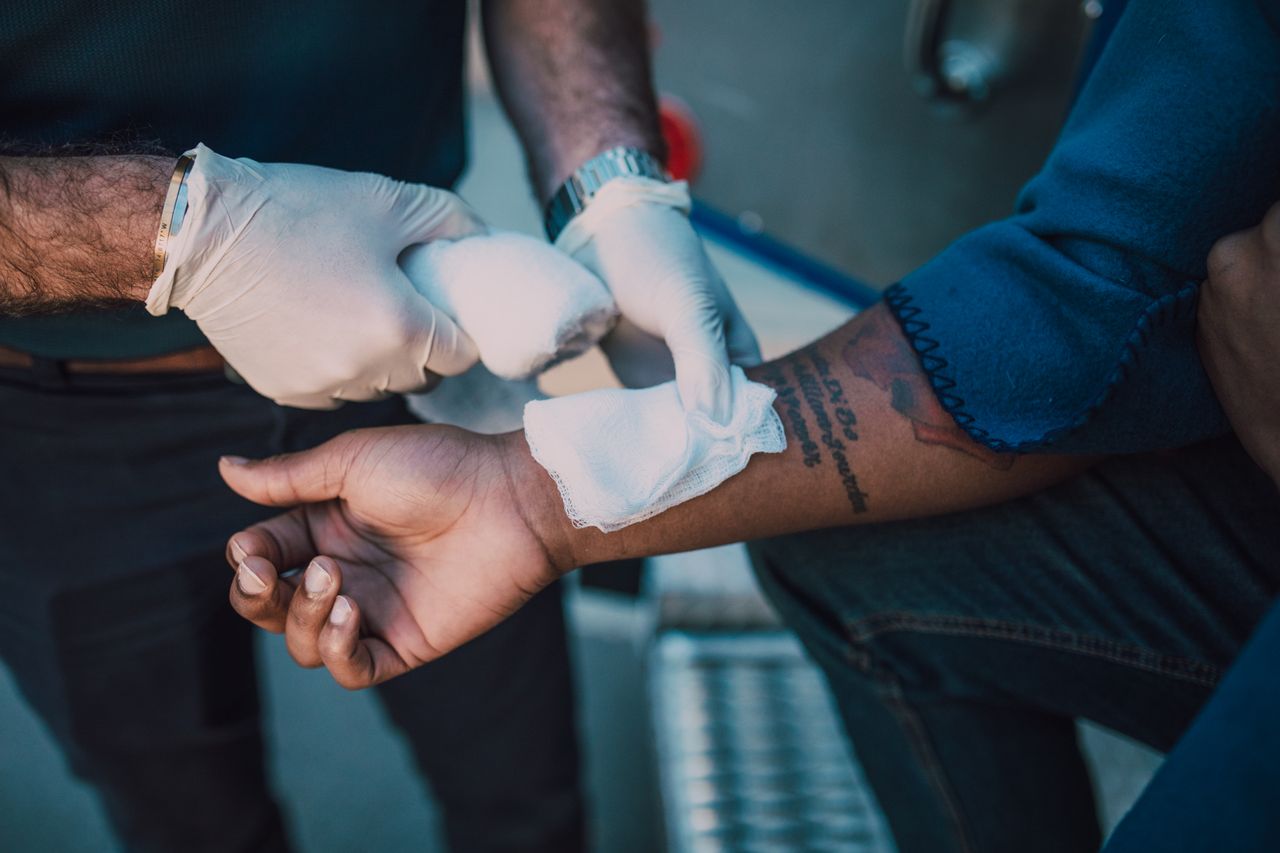
A typical visit from a mobile wound care team often includes:
- A full wound assessment by a physician or advanced provider
- Debridement at the bedside when needed to remove dead tissue
- Careful measurement and documentation of the wound
- Application or change of the wound vac dressing
- Teaching for family members or staff on device checks and warning signs
This kind of mobile care can be especially helpful after an infection, because it supports:
- Fewer trips to emergency rooms or clinics
- Less exposure to new infections in crowded settings
- A steady relationship with the same wound care team
- Close monitoring so problems are caught early
What to Expect From Wound Vac Therapy in Michigan
Many patients feel nervous when they first hear about a vacuum on their wound. It helps to know what it is actually like.
In most cases, people feel:
- A gentle pulling or suction feeling under the dressing
- A light humming sound from the small pump unit
- Some mild soreness during or after dressing changes
Dressings are usually changed several times a week, depending on the wound and the treatment plan. The full length of therapy can vary. Some wounds need a shorter period of treatment, while deeper or more complicated wounds may need longer.
Normal things to expect include:
- A steady flow of drainage into the canister
- The wound slowly looking smaller and more filled in
- Occasional alarms on the pump that can be checked by caregivers or the wound team
Signs that need fast attention can include sudden heavy bleeding inside the dressing, severe pain, a strong bad smell that gets worse, or fever and chills. Patients and caregivers are taught how to watch for these issues and who to inform.
As seasons change in Michigan, people may also wonder how to live with a wound vac at home. The team can help with:
- Clothing tips so the tubing and pump fit under layers
- Safe ways to move around the house with the device
- Planning for family visits or short trips while still protecting the wound
Ongoing communication between wound care providers, primary care doctors, surgeons, podiatrists, and facility staff helps keep everyone on the same page. The plan can be adjusted based on how the infection is responding, pain levels, and wound measurements over time.
Take Action Early to Protect Your Recovery
When an infected wound is slow to heal, waiting often makes things worse. Extra drainage, new odor, or a wound that seems deeper or wider over time are all reasons to ask strong questions about the next step in care.
Wound vac therapy may be considered for:
- Diabetic foot ulcers that are not closing as expected
- Pressure injuries with deep tissue loss
- Surgical wounds that have opened or keep draining
- Traumatic wounds with tunnels or uneven edges
Early, focused treatment can help protect your recovery and keep you where you want to be, at home or in your familiar care setting. At Niva Health Wound Care, we provide mobile, physician-led wound care services, including wound vac therapy, in homes and facilities across Michigan so patients can receive advanced treatment without leaving their community.
Take The Next Step Toward Faster Wound Healing
If you or a loved one is struggling with a hard-to-heal wound, our team at Niva Health Wound Care is ready to help with advanced solutions like wound vac therapy in Michigan. We will evaluate your wound, explain your options clearly, and create a care plan focused on safer, faster healing. To schedule an appointment or ask questions, please contact us today.