blog

Compression Therapy
Blog

What Compression Therapy in Florida Means for Long-Term Leg Health

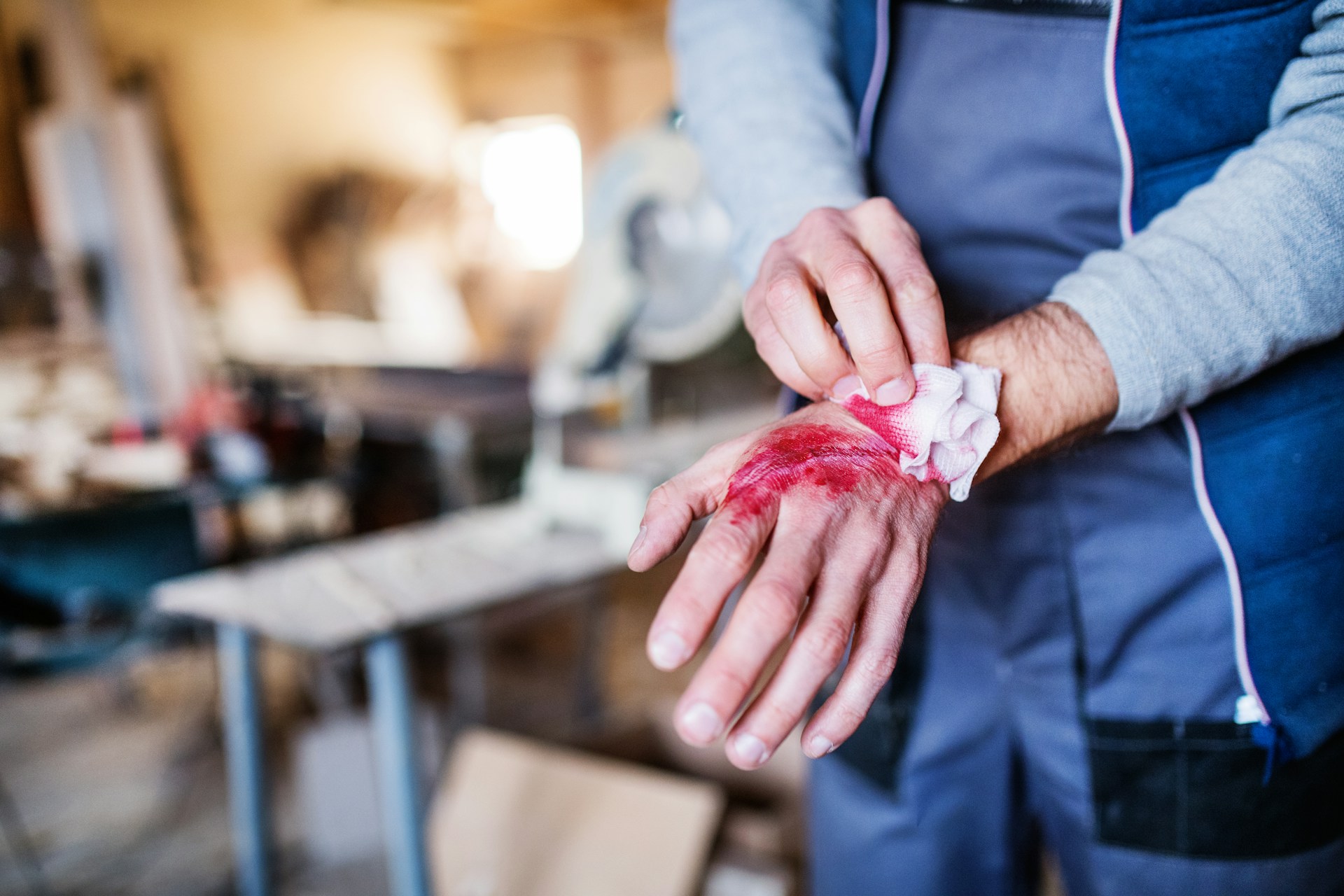
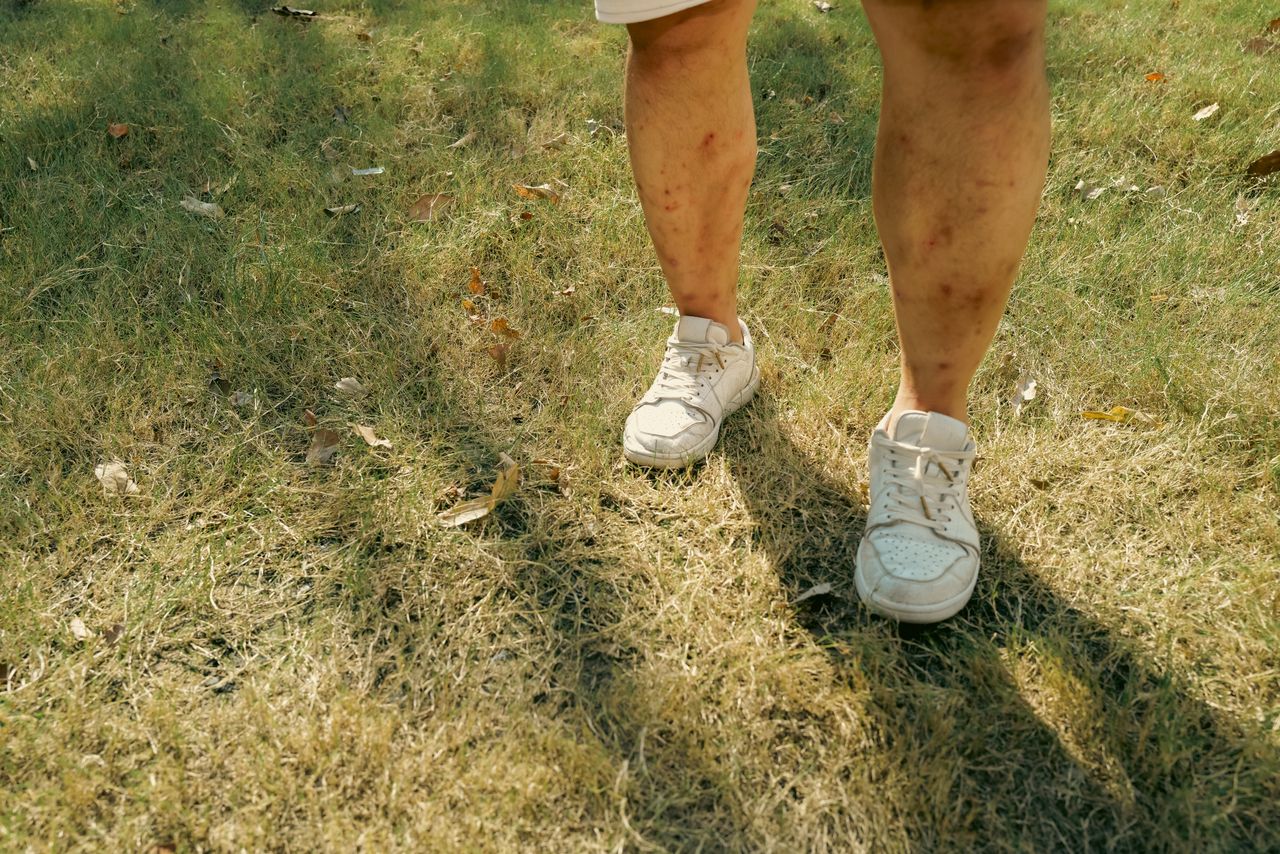
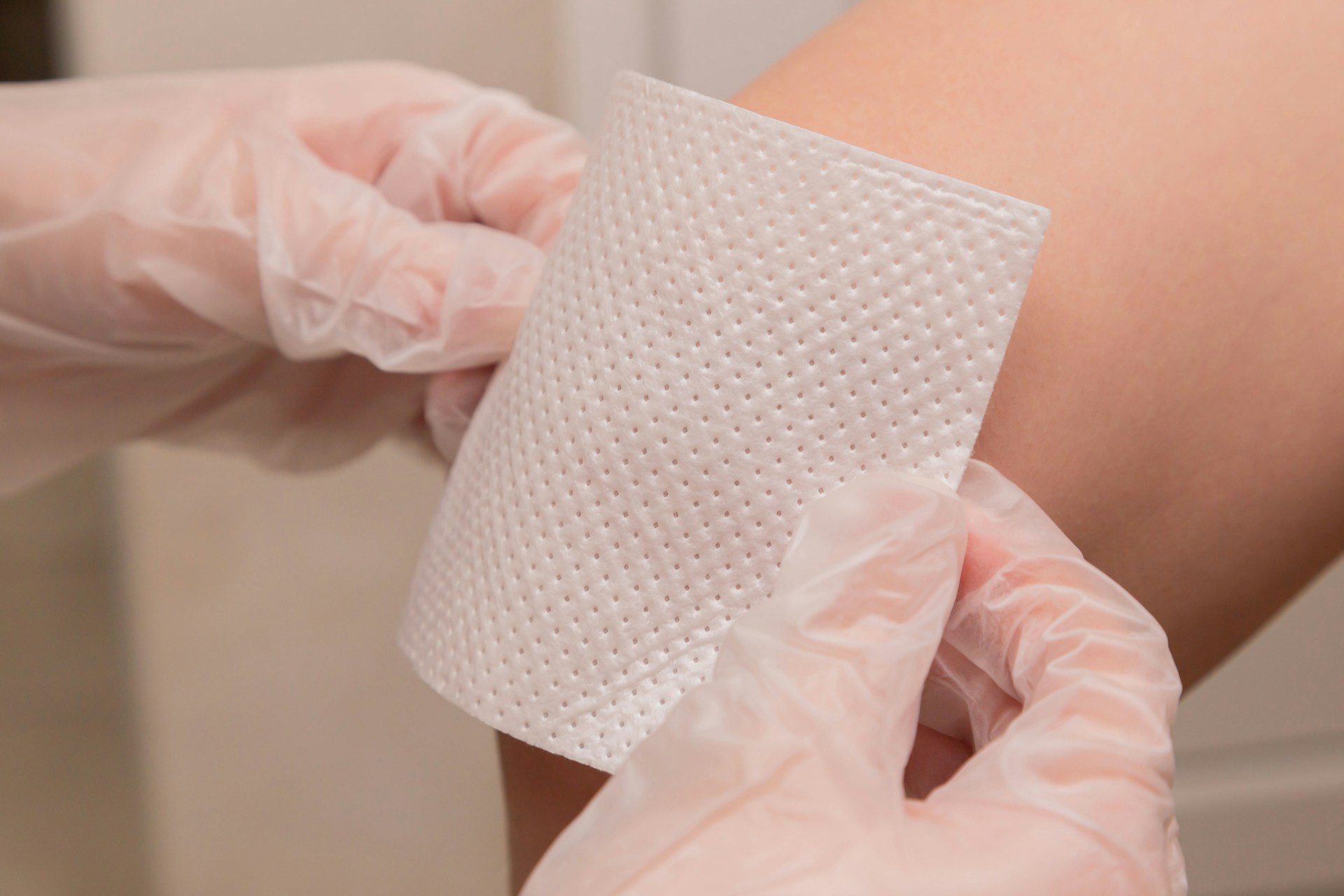
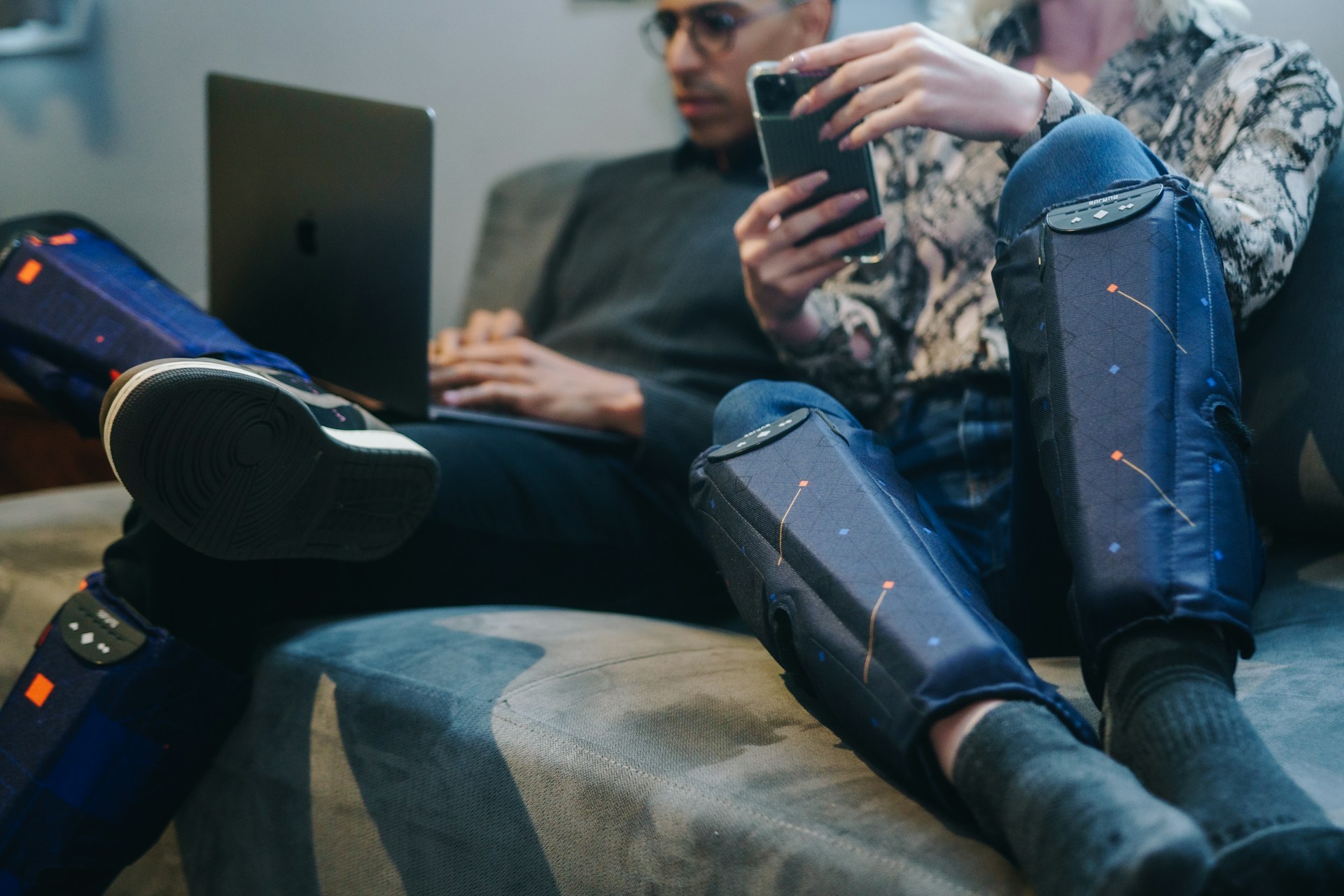
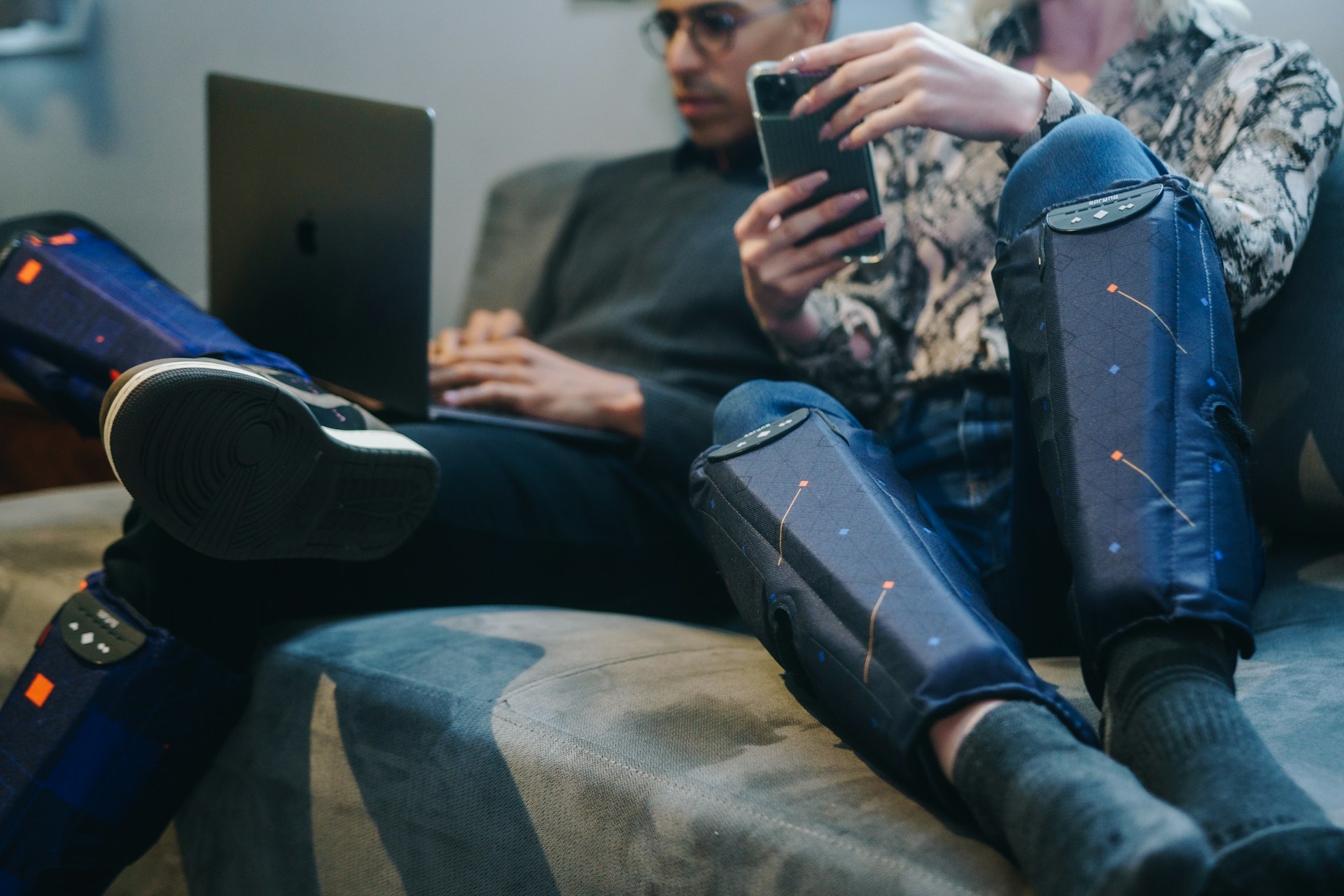
Why Compression Therapy Matters for Florida Legs Compression therapy means gently squeezing the legs with special socks, wraps, or devices to help blood move back toward the heart. When it is done the right way, this steady pressure supports healthy blood flow and helps control swelling. It is often used for people with vein disease, diabetes, circulation problems, or chronic wounds on the lower legs and feet. Living in Florida brings some extra challenges for leg health. The heat, humidity, and long days on our feet can make legs feel heavy, sore, and puffy. Many people stay active outside most of the year, so any small vein or skin problem can grow into something bigger if it is ignored. That is where smart, safe compression therapy in Florida can make a long-term difference. In this article, we explain how compression supports your legs over time, how Florida’s weather changes what your legs need, and why professional guidance is so important, especially if you already have wounds or ulcers. Our goal is to help you protect your legs now, so you can keep moving comfortably in the years ahead. How Compression Therapy Protects Your Legs Over Time When compression stockings or wraps fit properly, they are tighter near the ankle and a bit looser as they move up the leg. This helps your veins push blood upward instead of letting it sit and pool in the lower legs. Less pooling means less pressure on delicate skin and soft tissue. Inside the leg, good compression can help: Over time, sticking with a compression routine can support long-term leg health. Many people find that they have: Some groups benefit even more from consistent compression, including: For these patients, compression is not just about comfort today; it is part of protecting the legs for the long run. Florida Climate Challenges and Smart Compression Use Florida heat and humidity can make leg swelling worse. When it is hot, blood vessels open up and more fluid can leak into the tissues. This can be a big problem if you already have vein disease, lymphedema, or slow-healing wounds. Swelling often peaks later in the day, especially in late summer when people are outside more. Using compression therapy in Florida means paying extra attention to how your legs feel in the heat. A few helpful habits include: Warm weather can make compression feel uncomfortable at times. People often report itching, sweating, or feeling too warm under the material. To make things easier, you can: The goal is to get the health benefits of compression without causing new skin problems. That balance is especially important in a hot, humid state like Florida. Compression Therapy in Florida for Wound and Ulcer Care For venous leg ulcers and many chronic lower-leg wounds, compression is often a central part of treatment. Swelling puts pressure on tiny blood vessels and makes it harder for oxygen-rich blood to reach the wound. When swelling goes down, blood flow improves and the body is better able to repair damaged tissue. There are different types of compression that may be used in wound and ulcer care, such as: Over-the-counter options might feel similar, but they are not right for everyone, especially if you have an open wound, poor circulation, or nerve problems. Strong compression can cause harm if it is the wrong level, the wrong size, or placed on a leg that does not have enough blood flow. That is why clinical guidance is so important. A mobile, physician-led team can bring hospital-grade compression and advanced wound treatments right to the bedside in facilities like nursing homes or rehabilitation centers. This approach helps patients receive consistent care without extra trips, and it supports better control of swelling and wound care in the setting where they live. Getting the Right Compression Fit and Daily Routine Compression therapy works best when it is carefully matched to your legs and your medical history. A professional assessment can help answer questions like: When you have the right fit, it is easier to build a daily routine. Common habits that support leg health with compression include: It is also important to know when pressure might be too tight. Warning signs can include: If you notice these changes, or if you already have known circulation problems, you should not start strong compression on your own. A clinician needs to check blood flow and help choose a safe plan. Partnering with a Mobile Wound Care Team for Stronger Legs In Florida, many people see their leg swelling and skin problems get worse as long days, heat, and activity stack up. Chronic swelling, slow-healing wounds, and recurring leg ulcers are signs that your legs need more support, not less. Getting an early evaluation, before symptoms grow, can protect your independence and comfort. A mobile wound care team can meet patients right where they are, including in long-term care and other facilities. With physician-led care, it is possible to check circulation, choose the safest form of compression therapy, and keep a close eye on wound progress over time. By bringing advanced care and compression support to the bedside, patients can receive steady, focused attention that fits their daily life and helps protect long-term leg health. Take Control Of Your Healing With Proven Compression Care If you are ready to reduce swelling, protect fragile skin, and heal more comfortably, we are here to help. Our specialists will evaluate your condition and recommend a customized plan using compression therapy in Florida that fits your daily life. At Niva Health Wound Care, we focus on safe, evidence-based treatments that support long-term wound health. To schedule an appointment or ask questions about your options, please contact us today.
Read More »
skin warning
Blog

Early Skin Changes That Signal Pressure Ulcer Risk in Florida

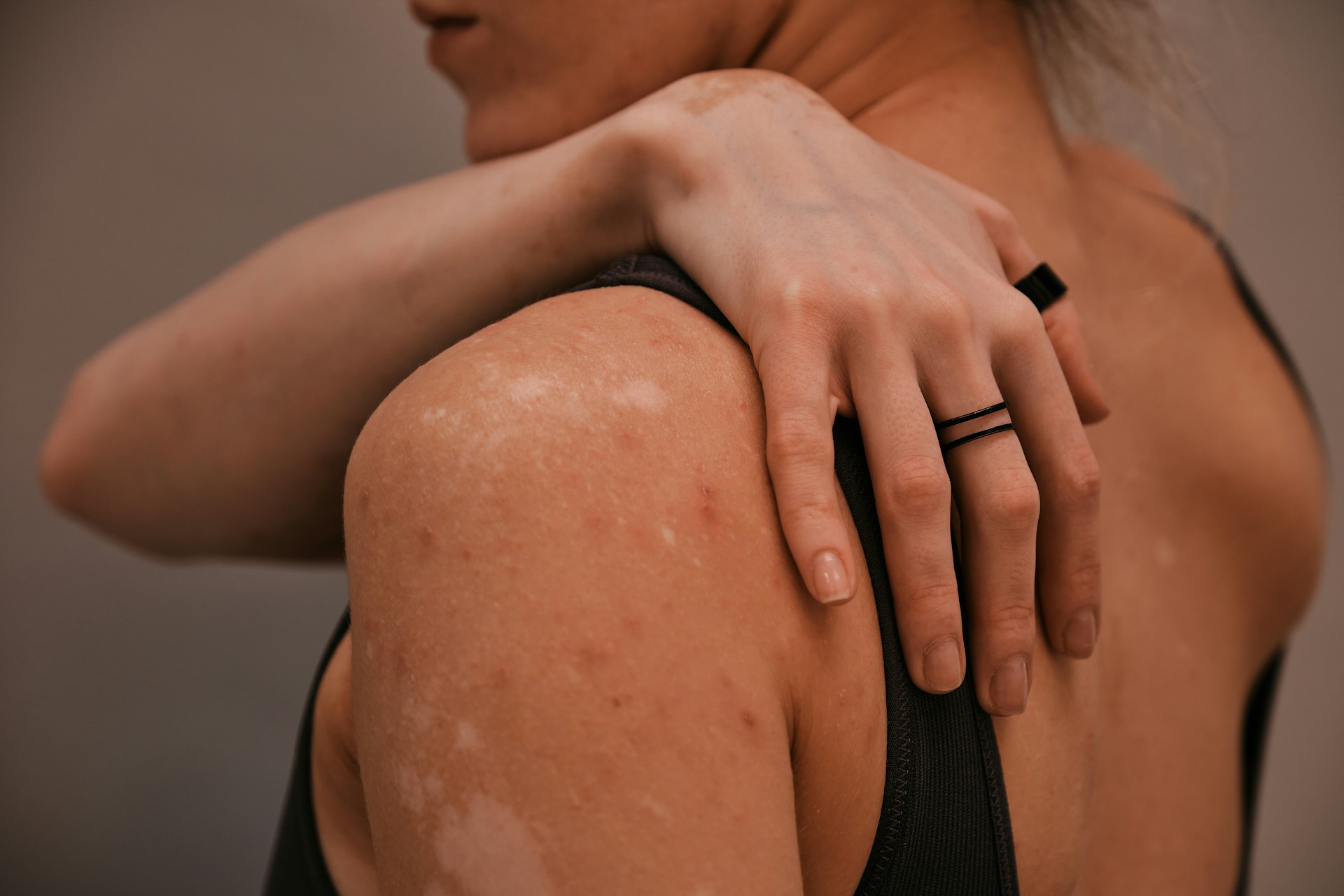
Pressure ulcers often start quietly. Before there is an open sore, the skin usually whispers small warnings. Those early skin changes matter a lot, because treating problems at this stage can help keep people safer and out of the hospital. This is especially true in Florida, where the heat and humidity are tough on fragile skin all year long. In this article, we will walk through the subtle skin signs that can come before a pressure ulcer, why Florida’s climate makes things harder, and which patients need the closest watch. We will also share when it is time to bring in physician-led, mobile pressure ulcer treatment in Florida so that care comes directly to where the patient lives or receives care. Subtle Skin Clues That Demand Fast Attention A pressure ulcer, also called a bedsore or pressure injury, happens when constant pressure, rubbing, or moisture damages the skin and the tissue under it. Many people think only of deep, open wounds, but those start as small surface changes. Early clues are easier to treat and can sometimes stop a sore from forming at all. Florida patients face special challenges because: When we catch those first color and texture changes, we can respond faster. Mobile, physician-led pressure ulcer treatment in Florida can come to the home, nursing facility, or assisted living center, which helps reduce emergency visits and long hospital stays. Why Florida’s Climate Raises Pressure Ulcer Risk Florida weather is beautiful, but for fragile skin, it can be harsh. Warm, humid air makes it easy for sweat to collect in skin folds and under medical devices. That trapped moisture softens the skin and makes it break down more easily. Here are some common Florida skin stressors: Dehydration can also sneak up on people. When a person does not drink enough fluids, the skin can become dry and more likely to crack. Swelling in the legs or feet can stretch the skin and make it more fragile. Heavy bedding or pillows that block airflow can hold in heat and make pressure spots even warmer and wetter. Late summer brings extra worries. Hurricane season can lead to power outages and limited A/C. Even short periods without cooling can cause sweating and trapped heat for patients who cannot move on their own. That extra stress on the skin can speed up pressure damage, especially in people already at risk. Early Color Changes You Should Never Ignore One of the first warning signs of a pressure ulcer is a change in skin color that does not fade after the pressure is removed. This may look different on different skin tones, but it is always a sign to pay close attention. Watch for: Non-blanching redness means that when you press the area gently with a finger, the color does not turn pale and then return. This often appears over bony spots like: If these color changes come with warmth, new pain, or a firm or hard feeling under the skin, it is time to treat the area as high risk. This is a strong sign to involve expert pressure ulcer treatment in Florida so the skin can be checked and supported right away. Texture, Temperature, and Moisture Warning Signs Color is only one part of the story. Early pressure damage can also change how the skin feels and how warm it is. These signs are often easiest to notice when comparing the suspicious area to the skin nearby. Pay attention to: Moisture is another big factor, especially in Florida’s humidity. Skin that stays wet from sweat, urine, stool, or wound drainage can turn: When the skin looks like this, even gentle rubbing from a sheet or clothing can cause tears. That is why checking under medical pads, oxygen tubing, and dressings on a regular schedule is so important. Florida Patients at Highest Risk for Pressure Ulcers Some people are more likely to develop pressure ulcers and need closer skin checks, especially in warm, humid places like Florida. High-risk groups include: Florida adds extra concerns for people using: Heat and sweat under these devices can slowly damage the skin where the pressure is strongest. Families and staff can work closely with mobile wound care teams to check these spots on a routine schedule. Early visits give time to adjust padding, change positioning plans, and treat small problems before they turn into open wounds. When to Call Mobile Wound Care for Help Knowing when to ask for help can prevent a small skin change from becoming a serious ulcer. Signs that it is time to get expert eyes on the area include: Mobile, physician-led pressure ulcer treatment in Florida can: When families, home health teams, and facility staff share what they see early, we can build a simple, clear plan that fits the Florida environment. The goal is always to protect the skin before a deep ulcer forms and to support healing if one has already started. Take The Next Step Toward Healing And Comfort If you or a loved one is living with a pressure injury, we are here to guide you with evidence-based care tailored to your needs. Learn how our specialized pressure ulcer treatment in Florida can help improve healing, reduce pain, and protect your overall health. At Niva Health Wound Care, we work closely with you to create a clear, personalized plan you can feel confident in. To schedule an appointment or ask questions about your options, please contact us today.
Read More »
wound vac therapy
Blog

Why Skilled Nursing Facilities in Florida Rely on Wound Vac Therapy

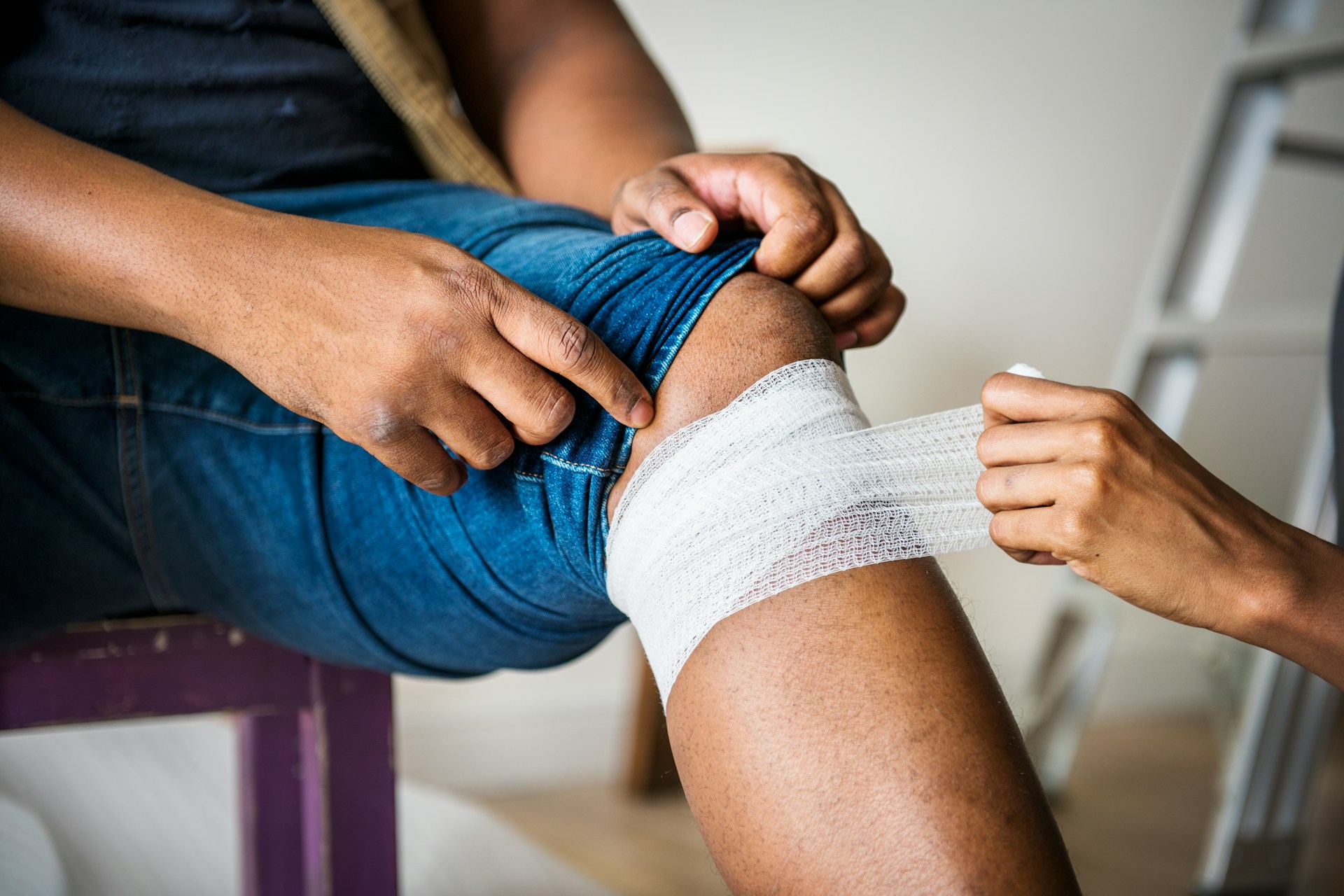
Faster Healing at the Bedside for Florida’s Seniors Chronic and post-surgical wounds are a big challenge for many Florida seniors, especially those living in skilled nursing facilities. Age, limited mobility, and chronic health problems can slow down the body’s natural healing process. When a wound just will not close, it can affect comfort, mood, and overall health. This is where wound vac therapy, also called negative pressure wound therapy, comes in. With this treatment, advanced wound care is guided by physicians and delivered right at the bedside. Residents do not have to leave the facility over and over for hospital visits, which can be tiring and stressful. Mobile wound care teams bring hospital-level care into skilled nursing facilities and home settings. By providing wound vac therapy where residents live, we help support faster healing, better comfort, and a safer, more stable daily routine for frail or medically complex patients. How Wound Vac Therapy Helps Challenging Wounds Heal Wound vac therapy is a simple idea with a lot of power behind it. A soft dressing is placed into the wound, covered with a special film, and connected to a small device. This device applies gentle, controlled suction, or negative pressure, inside the wound. That steady suction helps by: In Florida skilled nursing facilities, wound vac therapy is often used for some of the hardest-to-heal wounds, such as: For facilities, the benefits are very practical. Wounds often get smaller in size and depth over time. Dressings can stay in place longer, so staff do not have to change them as often. When dressing changes are needed, many residents have less pain, since the vac system helps keep the wound stable between visits. All of this pushes the wound closer to closure and helps keep care plans on track. Why Skilled Nursing Facilities in Florida Depend on NPWT Florida has many seniors living with conditions like diabetes, vascular disease, and heart failure. These long-term illnesses can hurt circulation and slow healing, which raises the risk of wounds that do not improve with basic care alone. Skilled nursing facilities see these complex cases every day. Negative pressure wound therapy fits well with the goals that Florida facilities work toward, such as: Living in a warm, humid state brings its own challenges for wounds. Heat and moisture can increase skin breakdown and infection risk. Hurricane season can interrupt schedules and make transport to outside appointments more complicated. Wound vac therapy gives residents a steady, controlled way to manage difficult wounds, even when the outside environment is unpredictable. The device keeps working between visits, so care continues around the clock, not just when someone is in the room. Protecting Residents From Hospitalizations and Complications Slow-healing wounds are not just a comfort issue. When they are not treated in a timely and advanced way, they can turn into serious infections, bone involvement like osteomyelitis, or even sepsis. These problems often lead to urgent hospital stays, which are stressful for residents, families, and staff. By bringing wound vac therapy into the facility early, many of these complications can be avoided or caught sooner. The controlled pressure helps keep fluid and bacteria levels in check, while regular bedside assessments help spot changes before they get out of hand. For residents and families, this means: Physician-led mobile wound care teams work side by side with SNF staff. As the wound changes, treatment plans can be adjusted quickly, often without leaving the building. This team approach helps keep residents stable, safe, and in place as much as possible. The Role of Mobile Physicians in Bedside Wound Vac Care Mobile wound care brings skilled providers directly to skilled nursing facilities, assisted living communities, and home settings across Florida. At Niva Health Wound Care, our physician-led teams focus on advanced wounds, including those treated with wound vac therapy. A typical bedside visit might include: For facilities, there is no need to arrange transport for most wound vac follow-ups. That means less time spent on logistics and fewer gaps in care. Having the same wound care team visit regularly also supports better communication with nurses, therapists, and leadership. Everyone stays on the same page with the care plan and long-term goals for each resident. Supporting SNF Staff with Training and Consistent Protocols Wound vac therapy works best when staff feel comfortable with it. Florida facilities often deal with busy summer admission periods and seasonal census changes, so clear protocols are especially helpful. Staff need confidence in: A dedicated wound care partner can support education and protocol development that fit each facility’s routines. Standardized orders, step-by-step guides, and clear escalation pathways reduce guesswork. This kind of support helps lower stress for nurses, prevent errors, and keep care steady during staff turnover or high-demand times, including hurricane season. By bringing hospital-level wound vac therapy to the bedside and backing it up with clear training and physician guidance, skilled nursing facilities in Florida can give residents safer, more reliable wound care that fits their daily lives. Take Control Of Your Wound Healing Today If you are ready to improve healing and reduce complications, our specialized wound vac therapy in Florida can provide the focused care you need. At Niva Health Wound Care, we tailor each treatment plan to your specific wound, health history, and comfort level. Reach out to our team with questions or to schedule an appointment through our contact page. Let us help you move toward faster healing and a better quality of life.

Read More »
Advanced Wound Dressing
Blog

Inside Advanced Wound Dressing in Florida’s Nursing Homes

How Advanced Wound Dressings Protect Florida’s Seniors Good wound care can change a resident’s whole day. In Florida nursing homes, this matters even more, because many seniors live with diabetes, circulation problems, and fragile skin that breaks down easily. When a wound does not heal well, it can lead to pain, infection, and stressful hospital stays. Advanced wound dressing in Florida goes far beyond a simple piece of gauze. These dressings are designed to protect the wound, manage moisture, and support the body’s natural healing process. For frail and medically complex residents, that difference can mean shorter healing times, fewer complications during the busy summer months, and better peace of mind for families and staff. With the right dressings and the right team, nursing homes can keep more residents stable in place, instead of sending them out for repeated hospital visits. That is what we focus on every day as a mobile wound care service working in Florida and other states. Why Nursing Home Wounds Need More Than Basic Bandages In long-term care, wounds are common. Residents often have limited mobility, thinner skin, and multiple medical conditions. The most frequent wound types we see include: Florida’s hot, humid climate can make all of this harder. Constant moisture from sweating can soften skin and lead to breakdown. Heat can also increase bacterial growth on skin and dressings, so a small problem can turn into an infection faster than many people expect. Basic bandages struggle in this setting. They often: When dressings are not matched to the wound, we see delayed healing, more discomfort, and more transfers to the hospital or ER. That is why nursing home wounds need more than a simple bandage. They need a thoughtful plan and dressings that are designed for complex, fragile skin. What Makes a Wound Dressing Truly Advanced Advanced wound dressings are built to support healing, not just cover a sore spot. While each product is different, the most helpful ones share a few key goals: There are many categories of advanced dressings commonly used in nursing homes, such as: No single dressing is right for every wound. A deep, draining pressure injury needs a different plan than a shallow skin tear or a diabetic foot ulcer. When we choose dressings, we look at: This kind of individualized selection is what turns “putting on a bandage” into true advanced wound care. How Mobile Specialists Elevate Nursing Home Wound Care A physician-led mobile wound care model brings hospital-level skills and tools right into the nursing home. Instead of sending a resident out for every concern, the specialist comes to the bedside. In Florida facilities, our wound care visits often include: This approach helps nursing homes in a few important ways. Staff do not lose time arranging transport and waiting on outside visits. Residents avoid long trips, which can be tiring and confusing. Care stays consistent because the same mobile team follows the wound from week to week. We also work closely with administrators and clinical leaders to: This kind of partnership lets the facility team focus on overall resident well-being, with confidence that complex wounds are being watched very closely. Reducing Infection and Hospitalizations During Florida Summers Summer in Florida means more sweating, more moisture, and often more skin problems. Heat and humidity can cause dressings to loosen faster and can increase the risk of maceration, where the skin around the wound becomes too wet and breaks down. Advanced wound dressing in Florida is chosen with this in mind. The goal is to: For example, highly absorbent dressings may be used for heavy drainage, while soft silicone edges can help protect delicate surrounding skin from pulling or tearing. Antimicrobial dressings can be considered when infection risk is higher, especially in deep or chronic wounds. When advanced dressings are paired with timely specialist oversight, nursing homes often see: During busy summer periods, that stability can make a real difference for residents, families, and staff. Empowering Nursing Homes to Deliver Hospital-Grade Healing Many administrators, directors of nursing, and clinical leaders want to know if their current wound program is truly supporting healing at the bedside. A good first step is to look at: From there, facilities can identify gaps in access to advanced wound dressings or in specialist support. Some choose to arrange a focused wound program review or an on-site assessment with a physician-led mobile team. Others start by planning staff education sessions around dressing selection, wound staging, and early signs that a wound may be changing. At Niva Health Wound Care, we are a physician-led mobile wound care service that brings advanced, hospital-grade treatment directly into facilities and homes across multiple states, including Florida. Our goal is to help nursing homes protect residents, reduce avoidable hospitalizations, and stand out as leaders in advanced wound care for the seniors they serve. Take The Next Step Toward Better Wound Healing If you or a loved one is living with a hard-to-heal wound, we are here to help you access the latest options in care. At Niva Health Wound Care, our specialists use clinically proven techniques, including advanced wound dressing in Florida, tailored to your unique needs. Reach out today to discuss your wound concerns, review your treatment options, and schedule a visit. You can also contact us with any questions about getting started.

Read More »
Surgical Wound
Blog

Common Surgical Wound Complications in Florida’s Coastal Climate

Surgical wounds already ask a lot from your body. In Florida’s coastal climate, they have to work even harder to heal well. Heat, humidity, and everyday coastal life can quietly increase the risk of problems like infection, the incision opening, and slow healing, especially after same-day or outpatient surgeries. We want to help you understand how our local weather and lifestyle affect surgical wounds so you can protect yourself or someone you care for. When you know what to watch for and when to ask for help, you give that incision the best chance to heal cleanly and avoid a trip back to the hospital. How Florida’s Coastal Climate Affects Surgical Wounds Florida is warm, sticky, and often damp. That mix might be great for beach days, but it is not so friendly to fresh surgical wounds. High humidity keeps sweat from drying, which can leave the skin around an incision soft and wet. Warm air also supports more bacteria on the skin and in the environment, which raises the chance of infection. After outpatient or same-day surgery, many people go home feeling mostly okay and try to return to normal life quickly. In our coastal climate, even simple habits like sitting outside on a hot patio, walking to the mailbox at midday, or spending time near the pool can put extra stress on a healing incision if it is not well protected. For people across Florida, including those in facilities or recovering at home, support from mobile, physician-led wound care can be an important safety net. When advanced care comes to the bedside, it helps catch small issues before they become serious surgical wound complications in Florida. Heat, Humidity, and Sweating: Hidden Threats to Healing High heat and humidity make most of us sweat more. When sweat collects around a surgical incision, the skin can become too wet. This is called maceration. Macerated skin can: When the edges of the incision weaken, the wound may open or stop closing as it should. This can slow healing and increase the risk of infection. Helpful habits during Florida’s long, hot season include: If the area around the wound always looks soggy, pale, or wrinkled, that can be a sign the skin is staying too wet and needs professional attention. Infection Risks: Bacteria Thrive in Warm, Coastal Air Warm, moist air creates a friendly setting for bacteria. Coastal areas often have more environmental moisture, from both the ocean and frequent rain showers. Surgical wounds in this setting are at higher risk if they are not watched closely. Common warning signs of surgical wound infection include: Early, careful assessment can make a big difference. Mobile, physician-led wound care can bring expert eyes and advanced tools to the bedside. This may include checking the wound, taking cultures when needed, and using advanced treatments to help control infection before it leads to hospitalization. Coastal Living: Salt Air, Water Exposure, and Skin Irritation Living near the beach is a big part of Florida life, but it can be hard on a healing incision. Sand can easily get under clothing or dressings and irritate the skin. Saltwater, pools, and hot tubs can introduce germs or chemicals that are not safe for an open or recent surgical site. Even salt air and frequent showers can dry and irritate the skin around an incision. Dry, itchy skin makes people want to scratch, tug, or rub the area, which can disturb the wound and slow healing. Smart choices during beach season include: If you notice more redness, discomfort, or drainage after time at the beach or pool area, it is a good idea to have the wound checked. Swelling, Fluid Buildup, and Slow Healing in the Heat Heat often makes swelling in the legs, feet, and lower body worse. When you combine high temperatures with long periods of sitting, standing, or car rides, fluid can collect around surgical sites. Poor circulation from swelling can slow down healing and increase the risk of surgical wound complications in Florida. Two common fluid problems after surgery are: Both can become more troublesome if you are less active because of the heat or trying to avoid going outside. Some general guidance that may help includes: Early care can help manage fluid buildup in a safe way and reduce the chance of more serious problems. High-Risk Patients and Seasonal Travel Challenges Some people are more likely to have trouble with healing in Florida’s climate. Higher risk groups often include: Summer also brings travel, family visits, and trips by car, plane, or cruise. Long hours of sitting and changes in routine can lead to missed dressing changes, less movement, and exposure to different environments. Hotel rooms, shared bathrooms, and crowded spaces can all add to infection risk if the wound is not well protected. Coordinated follow-up from mobile wound care can support healing across settings, such as home, assisted living, or rehab. When the same team can see the wound regularly and adjust care as needed, it helps keep healing steady, even when life is busy. Protecting Your Surgical Wound with Mobile Expert Care Florida’s coastal climate can turn small issues like extra sweat, a bit of redness, or mild swelling into bigger problems if they are ignored. Heat, humidity, and coastal living all play a part in how a surgical wound behaves day to day. At Niva Health Wound Care, we provide advanced, physician-led mobile wound care, bringing hospital-grade treatment directly to patients in facilities and at the bedside. Our team focuses on helping wounds heal as safely and quickly as possible, while working to prevent complications and avoid hospital stays. Protect Your Recovery With Expert Surgical Wound Care If you are worried about surgical wound complications in Florida, we are here to help you catch problems early and support proper healing. At Niva Health Wound Care, we tailor your care plan to your specific surgery, health history, and recovery goals. Contact our team today through our contact page so we can assess your

Read More »
Venous Ulcer
Blog

Recognizing When Venous Ulcer Treatment in Michigan Is Urgent

When Leg Sores Become a Michigan Medical Emergency Venous leg ulcers are open sores that usually form around the ankles and lower legs when the veins are not moving blood back to the heart the way they should. They are common in older adults and in people who already have varicose veins, vein disease, or trouble walking. In Michigan, where many people spend long hours sitting or standing and deal with chronic health issues, these ulcers show up often. Some venous ulcers are chronic but stable. They may be slow to heal, but they are not getting bigger, more painful, or infected. Others change quickly and become urgent or even life-threatening. Knowing the difference helps you act fast when something is wrong. When patients, families, and care facilities spot red-flag symptoms early, they can often avoid hospital stays, severe infections, and even the risk of losing part of a leg. How Venous Ulcers Start and Why They Get Worse Venous ulcers usually start with circulation problems. When leg veins are weak or damaged, blood has trouble moving upward. Fluid then collects in the lower legs. Over time, this swelling stretches the skin, making it thin and fragile. Small injuries that would normally heal can turn into open sores that do not close. Michigan patients often face certain risk factors that make venous ulcers more likely, such as: Before an ulcer appears, the body often gives warning signs. These early changes are easy to ignore but important to notice. Legs may feel heavy, achy, or tired, especially at the end of the day. Skin color can begin to change around the ankles, often turning darker or rusty looking, and the skin may become itchy or scaly in a way that keeps getting worse. Even minor cuts, scratches, or bug bites may seem slow to heal. When these clues are missed, the skin can finally break open, and an ulcer forms. Without the right venous ulcer treatment in Michigan, these wounds can quickly turn into a serious problem. Red-Flag Ulcer Symptoms You Cannot Ignore Not every venous ulcer is an emergency, but some symptoms mean the risk is rising. The following signs around the wound itself should make you act quickly and talk with a medical provider: These changes can point to a growing infection or tissue damage that needs urgent attention. There are also body-wide warning signs that should never be ignored. These might mean the infection is spreading or that a blood clot or other serious problem is developing: How do you tell the difference between “watch closely and call soon” and “call now” symptoms? Use this comparison as a guide: When in doubt, it is safer to treat new or worsening ulcer symptoms as urgent until a medical professional gives clear guidance. Seasonal Triggers That Make Summer Ulcers Riskier Michigan summers can be warm and humid, and this weather can make leg swelling worse. Heat tends to open up blood vessels and lets more fluid leak into the tissues of the lower legs. For someone who already has vein problems, this often means more puffiness, more pressure on the skin, and a higher chance that a small area of fragile skin will break down. Common warm-weather habits can add to that risk: Some simple steps may help lower the chance that a venous ulcer will worsen in summer: Any new sore, blister, or scrape that does not start to look better in a few days should be brought to a medical provider’s attention, especially in someone with known vein disease. Why Mobile Wound Care Can Keep You Out of the Hospital For many Michigan patients, getting to a clinic or hospital for frequent wound checks is hard. Pain, mobility limits, and transportation problems make each visit stressful. That is where physician-led, mobile advanced wound care at the bedside can make a real difference. With mobile wound care, patients can receive hospital-grade treatments where they live or recover. This includes: When care teams can see the wound regularly in the patient’s own setting, they can spot trouble early. Niva Health Wound Care partners with Michigan facilities, primary care providers, and families to respond quickly when a venous ulcer starts to change. That way, treatment can be stepped up before the situation turns into an emergency. This steady, on-site attention often helps reduce trips to the ER, hospital stays, and serious complications. It is especially helpful for people in long-term care, skilled nursing, rehabilitation centers, or anyone whose health or mobility makes travel difficult. Take Action Now to Protect Your Legs and Your Health A quick self-check or caregiver check can provide important clues about leg health. Today, take a close look at the legs and any known ulcers. As you check, focus on whether the ulcer has changed in size, depth, or shape; whether there is more drainage or a change in the color or smell of the drainage; whether the skin around the sore is more red, warm, or swollen than before; and whether there is new or stronger pain, especially at rest or at night. If you see rapid changes, spreading redness, or signs of infection, medical care should not be delayed. Call emergency services right away if there is: For ulcers that are not life-threatening but are worsening or not healing, specialized venous ulcer treatment in Michigan is important. Mobile wound care teams like Niva Health Wound Care can come directly to the patient’s bedside, bringing physician-led, advanced care into the home or facility. This approach focuses on safety, comfort, and promoting faster healing while lowering the chances of emergency visits and hospital stays. Take The First Step Toward Healing Your Venous Ulcer If you are living with leg pain, swelling, or a chronic wound, Niva Health Wound Care is ready to help you find effective, lasting relief. Our specialists personalize every care plan so your venous ulcer treatment in Michigan fits your needs and lifestyle. Reach out so we can evaluate your wound, explain your

Read More »
wound treatment
Blog

What Families in Florida Should Know About Infected Wound Treatment

Spotting Infected Wounds Before They Get Serious Infected wounds can change fast, especially for older adults, people with diabetes, and those healing in assisted living or at home. A small sore on the heel or a tiny crack between the toes may not look scary at first, but infection can build under the surface. When families in Florida know what to watch for, they can act sooner and help their loved one heal more safely. Many early signs of infection are easy to miss in day-to-day life. Common red flags include: You might also see more drainage, thicker or discolored fluid, or hear your loved one complain about new pain. Fever, chills, or feeling “off” can be signs too. In seniors, confusion, sleepiness, or a sudden change in behavior can point to infection even before a high fever shows up. When families notice these changes and get physician-led care quickly, it can help prevent hospital stays, amputations, and very long healing times. Why Florida’s Climate Puts Wounds at Higher Risk Florida living means heat, humidity, and a lot of outdoor time. That same warm, sticky air that is great for pool days is not so great for open skin. Moisture makes it harder for wounds to stay clean and dry, which can raise the risk of infection. Here are a few ways our climate can make wounds harder to manage: Outdoor activities add another layer of risk. Small cuts from yard work, trimming hedges, cleaning up after a storm, or even bumping a shin on the pool deck can turn into bigger problems if they are not cleaned well and watched closely. During hurricane season, families are also busy with home prep and cleanup, and tiny injuries may be easy to ignore until they start to hurt or smell. To protect healing skin in this climate, it helps if families: Consistent hygiene and regular checks are especially helpful around June and the rainy, stormy parts of the year, when heat and humidity are at their worst. When a Wound Infection Becomes an Emergency Some wounds can be watched and treated at home with a medical team coming to the bedside. Others are too dangerous to wait on and need urgent or emergency care. Knowing the difference can help keep your loved one safer. Signs that usually mean it is time for urgent or emergency help include: If your loved one seems very confused, weak, short of breath, or cannot stay awake, that can be a sign that infection may be affecting the whole body. In these situations, families should not wait for a home visit. The ER or hospital is the safer choice. On the other hand, some wounds are stable but still very concerning. These may be better suited for mobile infected wound treatment in Florida, where a medical team comes to the home or facility. Examples include wounds that: People who are at higher risk should be treated quickly and should not take a “wait and see” approach. This includes those with diabetes, poor circulation, recent surgery, kidney or heart problems, cancer treatment, or conditions that weaken the immune system. Residents in skilled nursing, assisted living, rehab, and long-term care facilities also need fast, careful attention if infection is suspected. What Modern Infected Wound Treatment Looks Like at Home Many families are surprised to learn how much can be done for wound infections right at the bedside. Modern mobile wound care brings physician-led, hospital-grade treatment to where the patient lives or recovers, whether that is at home or in a care facility. A typical visit may include: Treatment often includes careful cleaning of the wound, choosing the right type of dressing, and managing the infection. Sometimes dead or infected tissue needs to be gently removed, a process called debridement, to help healthy tissue grow. The care team may also adjust how weight or pressure is placed on the area, for example using special cushions or footwear to protect a heel or foot. When needed, the mobile team can help arrange lab tests, cultures, or imaging to better understand what is going on under the skin. The goal is to bring the level of care you would expect in a hospital to the bedside, while keeping your loved one in a familiar, comfortable place and often lowering the chance of a hospital stay. How NIVA Health Supports Families Across Florida At NIVA Health Mobile Wound Care, we focus on bringing physician-led wound treatment directly to patients where they are. We care for people in home settings, assisted living, skilled nursing, long-term care, and rehab facilities across Florida. Our team is used to seeing complex, hard-to-heal wounds and helping families handle infection risk. We commonly treat: Families often tell us that having regular physician oversight brings peace of mind. Our team works closely with facility staff and primary care providers so everyone is on the same page about the care plan. When infections are managed early and watched closely, it can often mean fewer last-minute trips to the hospital and smoother healing. Scheduling is designed to be simple for families and care teams. A visit can be requested by a family member, case manager, or facility staff. It usually helps to have basic information ready, such as the person’s medical conditions, current medications, when the wound first appeared, and any changes you have seen. Ongoing follow-up visits allow us to track healing over time, update treatment as needed, and step in quickly if new signs of infection appear. Take Action Now to Protect Your Loved One’s Healing Catching problems early starts with a simple habit: looking at the skin. Families can help a great deal by checking areas that often get missed, such as: If you see new redness, drainage, odor, pain, or any change that worries you, do not wait. A basic plan can help you stay organized: contact the primary provider or a wound care team, write down what you noticed and when it started, and take

Read More »
Ulcer Treatment
Blog

Understanding Venous Ulcer Treatment in Florida’s Humid Climate

Why Florida’s Climate Makes Venous Ulcers Harder to Heal Venous leg ulcers are open sores that usually form around the ankles or lower legs. They happen when the veins in the legs do not move blood back to the heart the way they should. People at higher risk include older adults, people with vein disease, diabetes, a history of blood clots, or anyone who sits or stands for long periods. Living in Florida adds extra stress on these already fragile legs. Heat and humidity can cause more swelling, more sweating, and faster skin breakdown. All of this can slow healing and make ulcers more likely to get infected. For people who want to stay independent and avoid hospital stays, understanding venous ulcer treatment in Florida is very important. When we respect the climate and plan around it, we can support safer, steadier healing, even through long, sticky summers. Florida’s weather can make leg ulcers harder to control because it can lead to: That is why good care has to be tailored not only to the wound, but also to the environment around it. How Florida’s Humidity Affects Your Skin and Veins High heat makes veins relax and open up. When veins are already weak, this can cause blood to pool in the lower legs. Over time, this pressure pushes fluid into the tissues around the ankles and calves, so the legs feel heavy, tight, and swollen. Humidity makes the problem worse. When the air is damp, sweat does not dry as fast. Under compression wraps, socks, or stockings, the skin can stay moist for long periods. That warm, wet space is hard on the skin and easy for germs to love. Here is what that can mean for someone with venous issues: If a venous ulcer is already present, constant moisture can soften the skin edges and make the wound larger. Rashes and yeast infections can also show up under wraps or in skin folds around the ankle. Florida’s rainy season adds another layer. Sudden downpours, flooded streets, and strong storms can keep people indoors and away from regular clinic care. Missed visits may mean dressings are left on too long or changes in the wound are not caught early. For someone with a fragile leg ulcer, even a short break in care can matter. Essentials of Effective Venous Ulcer Treatment in Florida Good venous ulcer care starts with a clear diagnosis. A medical provider should confirm that the wound is from vein problems and not from an artery issue, pressure, or another cause. When the reason for the wound is understood, treatment can be safer and more focused. Core parts of venous ulcer care usually include: In Florida, we also have to think carefully about heat and humidity when we build a plan. That can mean breathable compression materials that are more comfortable in warm weather, along with dressings that manage heavy drainage without leaving the skin soaked. Skin-barrier products may be used to shield the surrounding skin from moisture and friction. Physician-led care plays an important role in tying all of this together. A doctor can: Because summer weather often brings more swelling and sweating, treatment plans may need closer follow-up during those months. Daily Habits to Protect Your Legs in the Summer Heat Even small daily choices can help support healing and comfort. When it is too hot to be outside long, there are still ways to keep blood moving in the legs while staying indoors. Helpful habits can include: Staying cool and dry is another key part of summer care. Lightweight, loose pants can allow air to move around the legs. Some people benefit from using fans or air conditioning to cut down on sweat around dressings or compression wraps. If a provider has given instructions to change outer dressings when sweating, following those directions can help protect the skin. Simple self-checks can alert you when to ask for help. Watch your legs for: During hot, humid months, these changes can appear quickly. Telling your wound-care team about them early may prevent a small problem from becoming an emergency. Why Mobile Wound Care Matters in Florida Getting safe venous ulcer treatment in Florida is not always easy for people who are homebound or living in care facilities. Heat, long car rides, heavy rain, or storm warnings can all make travel stressful and risky. For someone with fragile skin on the legs, even getting in and out of a car can cause bumps or new injuries. Mobile, physician-led wound care brings hospital-grade treatment directly to where people live. Instead of trying to get to a clinic through stormy weather, care comes to the patient. This can mean steadier dressing changes, hands-on exams, and quick treatment when things start to shift. Benefits for patients and caregivers often include: When care is coordinated at home, it also becomes easier to look at the whole picture. The provider can see how someone sits, sleeps, and moves during the day, and can adjust elevation, compression, and movement plans to fit real life. Over time, this kind of consistent, tailored care can support better leg health for people living with chronic venous ulcers in our humid Florida environment. Take Control of Venous Ulcers Before Summer Peaks If you have a slow-healing sore on your lower leg, dark or discolored skin around your ankles, or swelling that leaves deep marks, it is important not to ignore it, especially as summer humidity builds. Early attention can keep a small wound from turning into a long-lasting ulcer. When you meet with a wound care provider, consider asking: At Niva Health Wound Care, we focus on physician-led, mobile advanced wound care that comes directly to patients in homes and facilities. Our team works with each person to build a venous ulcer treatment plan that respects both their medical needs and Florida’s humid climate, with the goal of supporting safer healing and helping people stay out of the hospital whenever possible. Take Control Of Your Venous

Read More »
Wound Care
Blog

Is Mobile Wound Care in Florida the Right Choice After Surgery?

Recover Comfortably with Expert Wound Care at Home Recovering from surgery takes energy, focus, and time. When you add Florida heat, humidity, and summer storms, even a simple trip to a follow-up visit can feel exhausting. Sweat, damp clothing, and warm air can also make a fresh surgical wound feel irritated and uncomfortable. This is where mobile wound care can make a real difference. Instead of traveling to a clinic, a medical team comes to you and provides hospital-grade care right where you live. That way, you can focus on resting in your own bed while your wound still gets careful, consistent attention. At Niva Health Wound Care, we bring physician-led mobile wound care directly to homes and facilities across Florida. We work with patients after surgery to support safer healing, even when the weather and travel conditions are not on your side. Below, we explain how mobile wound care in Florida works, who it may help most after surgery, and what to think about as you plan your recovery. Why Post Surgery Wounds Need Extra Attention A surgical wound is not like a small cut or scrape. Your body is working hard to close an incision, protect it from germs, and rebuild the tissue underneath. Stitches, staples, or surgical glue hold things together at first, but they all need time to stay clean and dry so your skin can seal. Florida adds a few extra challenges. Heat and humidity can: If a post surgery wound is not cared for the right way, several problems can show up. These may include: Early attention and regular checks are important. Careful wound cleaning, proper dressing changes, and watching for small changes can help catch troubles before they grow. Having a professional see the wound on a steady schedule gives you another layer of safety during this important healing time. How Mobile Wound Care in Florida Works Day to Day Mobile wound care brings many of the services you would expect in a hospital or clinic straight to your front door. With physician-led teams and advanced practitioners, the focus is on thoughtful, hands on care for your surgical wound. A typical visit may include: Visits are usually set up ahead of time so you know when to expect your provider. The length of each visit can vary depending on how complex your wound is and what needs to be done that day. The mobile wound care team can also stay in close touch with your surgeon, primary care doctor, or facility staff so everyone is on the same page. Care can take place in many settings, such as: During Florida’s summer, when heavy rain, strong storms, or busy travel periods are common, getting to appointments can be stressful or even unsafe. Mobile wound care helps you avoid that risk by bringing care to you, so your recovery does not have to pause when the weather or traffic makes things hard. Is Mobile Wound Care the Right Fit After Your Surgery? Not every surgical wound needs specialized mobile care, but many people find it helpful. Some patients who may benefit most include those who: Simple, small incisions that are healing well may do fine with standard follow up visits and basic home care instructions. On the other hand, more complex wounds tend to need extra support. These may include wounds that are: Some practical things to think about are: A mobile wound care team can also be a big help for family caregivers. Instead of trying to remember detailed instructions or handle complex dressings, caregivers can focus on comfort, meals, and support, while the wound care professionals manage the medical side. This can lower stress for everyone and bring peace of mind during recovery. Safety, Quality, and Cost Considerations for Families Families often want to know how safe mobile wound care is compared with going to a clinic. With physician leadership and structured treatment plans, mobile wound care is designed to follow medical standards and evidence-based approaches. Infection prevention is a key focus, from clean technique during dressing changes to clear education about how to protect the wound between visits. Some possible benefits of mobile wound care after surgery can include: When the same professionals see your wound again and again, they can often spot subtle changes right away. A small shift in color, odor, or drainage may be easy to miss at home, but a trained eye can notice and adjust treatment quickly. Insurance and Medicare coverage for mobile wound care can vary. Many families find that some or all services are covered when they are medically necessary, but it is always smart to ask questions. You may want to know: Talking with your insurance company and your medical team can help you understand what is available for your situation. Making Mobile Wound Care Part of Your Recovery Plan Planning for wound care is easier when it happens before you leave the hospital or surgery center. During your discharge process, you can ask your surgeon or discharge planner if mobile wound care in Florida may be a good fit for you. Helpful questions include: At Niva Health Wound Care, we work closely with existing care teams to help make recovery smoother. Our physician-led mobile wound care service coordinates with surgeons, primary care doctors, and facility nurses so that everyone understands the wound care plan, any changes in orders, and how you are progressing. It also helps to think ahead about Florida’s summer patterns. Heavy afternoon storms, hurricane season disruptions, and busy roads can all make travel harder. When you build mobile wound care into your recovery plan, you can worry less about getting to appointments and focus more on rest, comfort, and returning to your usual routines as safely as possible. Get Expert Wound Care Delivered Directly To Your Facility If your patients or residents need specialized attention, our team at Niva Health Wound Care brings comprehensive mobile wound care in Florida directly to your facility. We collaborate with your staff to

Read More »
compression therapy
Uncategorized

Compression Therapy in Michigan: Early Warning Signs You Shouldn’t Ignore

Early Warning Signs You Should Not Ignore Swollen ankles, heavy legs, and dry, itchy skin might seem like small problems, but they can be early clues that your circulation is struggling. For people in Michigan with venous disease, diabetes, or slow-healing wounds, catching these signs early can help prevent ulcers, infections, and avoidable hospital time. Compression therapy is a common treatment that uses gentle pressure around the legs to help blood and fluid move the way they should. It is being recommended more often for people with leg swelling, vein problems, and chronic wounds. In Michigan, it is easy to overlook symptoms. Long winters, slippery sidewalks, and less walking can all add up to more sitting and standing, which can make swelling and circulation issues worse. Our goal here is simple: help you notice early warning signs, understand when compression therapy in Michigan might be needed, and show how mobile wound care can support you or your loved one at home or in a care facility. Subtle Symptoms That Signal Trouble Is Starting Circulation problems usually do not start with a big, dramatic change. They often whisper before they shout. Some early signs include: You may also see early changes in the skin, such as: These are the kinds of symptoms many people shrug off as “just getting older” or “standing too long at work.” But this is exactly the stage when compression therapy can be most helpful. Gentle, regular support at this point can slow or stop things from moving toward open wounds. In Michigan, seasonal habits can hide these warning signs. During colder months, people tend to: Because of that, changes in leg color, skin texture, or mild swelling can go unseen for months. By the time someone notices, the problem may be further along than it appears. When Swelling and Skin Changes Mean You Need Help As circulation issues progress, the warning signs become harder to ignore. These changes often signal that it is time for professional evaluation and possible compression therapy in Michigan: Before open sores appear, the skin usually starts sending clear signals. Watch for: Conditions like diabetes, heart disease, and kidney disease can make these problems more serious. When blood sugar is not well controlled, small injuries on the feet and legs can turn into slow-healing wounds. Heart and kidney problems can add extra fluid to the legs and feet, making swelling worse and putting more pressure on the skin. If you or someone you care for notices these changes, it is important not to wait for an actual open wound to appear. Once the skin breaks, treatment becomes more complex, takes longer, and often requires more frequent visits from healthcare professionals. How Compression Therapy Supports Healing and Comfort Compression therapy works by applying gentle, steady pressure to the legs. This pressure is usually strongest at the ankle and gradually lessens as it moves up the leg. That pattern helps: There are several types of compression that might be used for Michigan patients: People who may benefit from compression include those with: Many people worry that compression is only for “old people,” or that it will be painful or too tight. When compression is properly measured, chosen by a medical professional, and applied correctly, it is designed to be supportive, not painful. It should always be supervised and adjusted by a healthcare provider to make sure it is safe for your circulation. Safe Use of Compression Therapy in Michigan Homes Compression therapy is not a do-it-yourself project. Proper fitting and medical oversight matter a lot. Compression that is too tight, the wrong type, or used in someone with serious arterial disease can cause harm rather than help. In home and facility settings, some general habits are often recommended: Michigan’s changing seasons add some special considerations. In winter, In summer, A physician-led mobile wound care team can be very helpful for people who are homebound, live in senior communities, or stay in long-term care facilities. These teams can assess circulation, decide if compression is safe, select the type and level of compression, apply it correctly, and adjust the plan based on how the legs and skin respond over time. Taking Early Signs Seriously When swelling, skin color changes, or slow-healing spots keep coming back, it is the body’s way of asking for help. Acting on these early signs instead of waiting for an open wound can protect your legs, your comfort, and your independence. For Michigan patients and families, as well as staff in facilities, paying close attention to legs and feet is a simple habit that can make a big difference. A careful wound and circulation assessment, including review for compression therapy, can often be done right where the person lives. Physician-led mobile teams like Niva Health Wound Care are designed to bring hospital-grade wound care and compression management directly to homes and care settings, so the right support can start as early as possible. Take The Next Step Toward Healthier, More Comfortable Legs If you are ready to address leg swelling, pain, or nonhealing wounds, our team at Niva Health Wound Care is here to help you explore personalized options for compression therapy in Michigan. We will evaluate your circulation, discuss your symptoms, and recommend a tailored plan to support better healing and long-term comfort. To schedule your visit or ask questions about your specific condition, please contact us today.

Read More »
nursing home wound care
Uncategorized

When Nursing Home Wound Care in Michigan Demands a Specialist

When Wounds in Nursing Homes Become High-Risk Nursing home teams in Michigan see small skin issues every day. A tiny blister on a heel, a scrape on a shin, a red spot on the back from sitting too long. At first, it may not look like much. But for an older adult with other health problems, that small wound can change very fast. Families feel scared, staff feel pressure, and everyone worries about hospital transfers. In older adults, wounds are more dangerous than they appear. Many residents have chronic conditions like diabetes or heart disease. Their skin is thinner, they move less, and blood flow to the legs and feet can be poor. All of this slows the body’s ability to heal. In warmer weather, when heat and humidity increase moisture on the skin, the risk of skin breakdown and infection can rise even more. This is where specialized, physician-led wound care can make a real difference. When nursing home wound care in Michigan includes focused medical attention at the bedside, it can help wounds heal faster, lower the chance of infection, and reduce the need for stressful hospital stays. It can also give families and staff peace of mind that complex wounds are being handled with advanced skill. Why Some Nursing Home Wounds Need a Specialist Not every wound needs advanced care, but some types are simply harder to heal in a nursing home setting. These are the wounds that often demand a specialist’s eye and hands, such as: Certain red flags should prompt a call for help from a wound care specialist. Warning signs include: A wound care specialist can look beyond the surface. Instead of only changing dressings, they can: This kind of detailed, physician-led care is especially helpful when wounds keep coming back, stall halfway, or quickly worsen during seasonal changes when skin issues are more common. The Limits of Standard Nursing Home Wound Care Nurses and aides in Michigan nursing homes work hard. They handle many residents, multiple medications, and countless daily tasks. Wound care is just one part of their day. Staffing shortages, time pressure, and frequent turnover can make it hard to give every complex wound the close attention it needs. Standard wound protocols and generic dressings are helpful for basic care, but they have limits. When a wound is stubborn, infected, or linked to deep medical issues, relying only on routine steps can lead to: Michigan facilities also face real-world pressures. There is close regulatory attention on pressure injuries and wound outcomes. Families expect to see clear progress, especially when they visit more often during warmer months and holidays. Hot, humid weather can cause more sweating and moisture, which raises the chance of skin breakdown, rashes, and moisture-related wounds. All of this puts extra stress on facility teams trying to keep residents safe and comfortable. Standard care is important, but it may not be enough when wounds are high risk. That is where bringing in dedicated wound specialists can help support the staff and protect residents. How Physician-Led Mobile Wound Care Changes Outcomes Physician-led, mobile advanced wound care brings hospital-grade treatment right to the bedside. Instead of sending a fragile resident out to a clinic or hospital, the wound expert comes into the facility. This can include: For facilities, this approach can offer many practical benefits. When complex wounds are treated on-site, there may be fewer hospital transfers. Documentation tends to be clearer and more detailed, which helps with survey readiness and communication with families. Stronger clinical outcomes support quality measures and can contribute to better star ratings. A service like Niva Health Wound Care does not replace the nursing home team; it works with them. Effective mobile wound care means close coordination with: Shared care plans, timely updates, and clear communication with families all help keep everyone on the same page. The goal is simple: give every resident the chance to heal with the level of care they would expect in a hospital, without leaving their room. Choosing the Right Wound Care Partner in Michigan For administrators and directors of nursing, choosing a wound care partner is a key decision. Not all wound services are the same. Some practical criteria to consider include: When evaluating options, helpful questions to ask include: Regional coverage also matters. Facilities need reliable support across Michigan, including during holidays and busy summer months when admissions may increase and families visit more often. During these times, expectations for visible wound progress and clear communication are even higher, so a consistent, organized partner is important. Take Action Before the Next Wound Becomes an Emergency One of the most helpful steps a facility can take is to look honestly at current wound outcomes. Clinical leaders can review: In many of these situations, specialized wound support might have changed the path of care. By planning ahead, facilities can be ready before the next high-risk wound appears. Establishing a relationship with a physician-led mobile wound care team, such as Niva Health Wound Care, means there is a trusted partner ready when needs rise, including during peak summer and holiday seasons. Proactive planning does not just protect residents; it supports the entire care team. With expert wound care at the bedside, nursing homes in Michigan can feel more confident facing complex wounds, knowing they are not facing them alone. Support Better Healing Outcomes For Your Residents If your facility is ready to reduce preventable complications and improve wound healing, we are here to partner with you. Our specialized team provides comprehensive bedside services focused on consistent, evidence-based care for your residents who need nursing home wound care in Michigan. At Niva Health Wound Care, we collaborate closely with your staff to streamline treatment plans and documentation. To discuss how we can support your facility, please contact us today.

Read More »
a foot undergoing surgery
Uncategorized

Surgical Incision Warning Signs After Leaving the Hospital

Healing at Home After Surgery: Warning Signs to Watch For Healing after surgery does not end when a patient leaves the hospital. The way a surgical incision behaves at home or in a post-acute facility often determines how well someone recovers. Mild redness, slight swelling, a little clear or pink drainage, and manageable pain are usually part of normal healing during the first days. The incision should gradually look calmer, drier, and less tender as time goes on. Those first days and weeks carry higher risk, especially for older adults, people with diabetes, vascular disease, or limited mobility. In places like Florida, heat and humidity can also make it harder to keep dressings clean and dry, which may increase the chance of problems. Surgical wound complications Florida patients experience can escalate quickly if warning signs are missed. In this article, we explain how to tell what is normal, what is not, and when to involve the surgeon or a mobile wound care team like the team at Niva Health Wound Care. Normal Incision Changes Versus Red Flags A healthy surgical incision follows a fairly predictable pattern. In the first few days, the edges should be coming together, sometimes held by stitches, staples, or glue. The skin around it is often pink or lightly red, a bit puffy, and tender to the touch. Light, clear, or slightly blood-tinged drainage is common at first, but it should slowly decrease. Pain should trend down, not up, as each day passes. Red flags begin when these changes move in the wrong direction. Instead of staying local, redness may spread away from the incision edges. The area can feel warmer and more swollen, or the swelling can feel firm or tight instead of soft. Drainage may increase instead of decrease, or change in color or odor. When patients have been told to expect “some redness” or “some pain,” it can be hard to know when to worry, so watching for patterns that are getting worse is important. In warm, humid climates like Florida, moisture and sweat can collect under dressings and in skin folds. That trapped moisture can break down skin, loosen tape, and create a more favorable environment for bacteria. This is one reason surgical wound complications Florida patients face may develop even when a wound looked fine at discharge. Regular checks, dressing changes as instructed, and keeping the area dry are key parts of prevention. Pain, Redness, and Swelling That Should Never Be Ignored Not all pain is the same. We expect some soreness, especially with movement, during the first several days. Pain becomes a red flag when it suddenly gets worse after it had been improving, or when it changes in character to throbbing, burning, or sharp pain that does not ease with prescribed medication. Pain that keeps someone from sleeping, eating, or participating in therapy is a concern. Redness has patterns that matter as well. Concerning signs include redness that: Swelling needs attention when it is one-sided, hard, or so tight that it limits movement of a joint or limb. Swelling combined with warmth and tenderness can point to infection, an abscess, or circulation problems. For patients with diabetes, peripheral artery disease, heart failure, or a history of poor healing, these changes are even more worrisome. These individuals already have less reserve, so even a “small” problem can quickly turn serious without timely medical evaluation. Drainage, Odor, and Opening of the Incision Some drainage is expected, especially with larger surgeries. Normal drainage is usually: Abnormal drainage looks or smells different. Thick yellow, green, or brown fluid, especially if it resembles pus, is a warning sign. So is a sudden jump in the amount of drainage after it had been slowing down. A strong, foul, or “rotten” odor from the incision or dressing often signals infection, even if the incision looks only mildly red at first glance. Incision separation, also called dehiscence, is another urgent issue. This might show up as stitches pulling apart, new gaps forming along the incision line, or deeper tissue becoming visible under the skin. Sometimes a wound reopens after an unexpected strain, coughing spell, or fall. In any of these situations, the risk of infection and delayed healing rises sharply. Increased drainage, odor, or wound opening are significant warning signs of surgical wound complications Florida patients may encounter, and they often need advanced wound care, possible cultures, and adjustments in treatment such as different dressings or antibiotics. Fever, Weakness, and Whole-Body Symptoms An incision problem does not always stay local. A fever of 100.4°F (38°C) or higher, especially when paired with chills or night sweats, can indicate the body is fighting an infection related to the surgical site. When there is no clear explanation like a known cold or flu, that fever deserves attention. Other whole-body symptoms can be subtle but serious. These may include: These signs can be early clues of a spreading infection or sepsis, a life-threatening reaction to infection that affects the entire body. Patients in skilled nursing facilities, assisted living, or rehabilitation centers often have multiple medical conditions that increase this risk. When fever or systemic symptoms appear along with incision changes, they should trigger immediate medical attention or emergency care, not a “wait and see” approach. When to Call the Surgeon Versus Mobile Wound Care Specialists Patients and caregivers often wonder who to call first. The surgeon’s office is usually the right place to start for mild concerns, questions about dressings, or early signs that are not rapidly worsening. Examples might be a small increase in soreness, a bit more redness right at the incision line, or uncertainty about whether a dressing looks okay. Keeping the surgeon informed helps them decide if a simple adjustment is enough or if an in-person visit is needed. Certain situations, though, require urgent or emergency help. These include rapidly spreading redness, high fever with chills, severe or escalating pain, an incision that opens, or heavy bleeding that does not slow down. In those cases, getting

Read More »
a man touching his legs
Uncategorized

Why Leg Ulcers Keep Coming Back When Swelling Isn’t Controlled

How Ongoing Swelling Sabotages Leg Ulcer Healing Leg ulcers are open sores on the lower leg or ankle that do not heal the way a normal cut would. They often start from a small injury or area of fragile skin, then linger for weeks or months. Once they appear, they can be very hard to heal because circulation in the area is already poor and the skin has been weakened over time. Chronic swelling, also called edema, makes this problem worse. When fluid builds up in the leg tissues, it increases pressure inside the skin and the spaces around blood vessels. That pressure makes it harder for oxygen and nutrients to reach the skin, and harder for waste products to drain away. The result is slow healing, more pain, and a higher risk of infection. This is the key idea: if swelling is not controlled, even excellent wound care can fall short. Ulcers may finally close, only to split open again the next time swelling flares up. At NIVA Health Wound Care, we bring physician-led, hospital-grade treatment directly to patients in post-acute and facility-based settings, but long-term success almost always depends on getting swelling under control and keeping it there. Why Leg Ulcers Return: The Role of Venous Disease and Lymphedema For many people with leg ulcers, the main driver of swelling is chronic venous insufficiency. The veins in the legs are supposed to move blood back up to the heart. When the valves in those veins weaken or fail, blood pools in the lower legs. Pressure inside the veins rises, the vessel walls stretch, and fluid leaks out into the surrounding tissues, creating ongoing swelling. Lymphedema can add another layer of trouble. The lymphatic system is the body’s drainage network for extra fluid. If it is damaged by surgery, infection, trauma, or long-standing vein problems, fluid does not clear properly. Legs can feel heavy, tight, or achy, and the skin can become thick and less flexible. Obesity, limited mobility, and previous leg injuries all increase the likelihood that this swelling will be persistent and hard to manage. Once the skin has been damaged by a leg ulcer, the area never returns to its original strength. Scarred tissue is thinner and more fragile, so it is more likely to break down again when swelling stretches the skin or when a minor bump occurs. If we only treat the open wound with dressings, creams, or medications, and ignore the underlying swelling, we are almost guaranteeing that new ulcers will keep forming in the same area. That is why a complete leg ulcer plan has to look past the surface of the skin. Treating the wound is essential, but treating the pressure and fluid underneath the skin is just as important if we want healing to last. How Compression Controls Swelling and Protects Healing Skin Compression therapy is a non-surgical treatment that applies gentle, graduated pressure to the legs to improve blood circulation and reduce swelling. The pressure is usually strongest at the ankle and gradually lessens higher up the leg. This gradient helps push blood and fluid back toward the heart instead of letting it stagnate in the lower leg. By improving venous return, compression reduces pooling in weak veins and decreases leakage of fluid into the tissues. It also gives some external support to stretched or weakened vein walls. All of this lowers the internal pressure that can open up old ulcers or create new ones, and it helps protect areas of skin that have recently healed. Common compression options include: A physician or wound care specialist decides which option is best based on the person’s circulation, skin condition, and ability to put on and remove the garments. Compression therapy in Michigan is commonly recommended at medical clinics, vein centers, and physical therapy practices for conditions like varicose veins, chronic venous insufficiency, and lymphedema. When it is paired with good skin care and regular follow-up, it can be a powerful tool for keeping ulcers closed. What to Expect From Compression Therapy in Michigan If you or someone you care for is being evaluated for compression therapy in Michigan, the process usually starts with a careful assessment. The clinician will review medical history, including heart disease, diabetes, prior blood clots, and any past leg ulcers. They will look closely at the legs, measure their size, and check circulation, often by feeling pulses or using a simple handheld device. From there, the care team decides on the right level of compression, type of device, and daily schedule. They consider how active the person is, whether the skin is fragile or thickened, and how easy it will be to apply and remove the garment safely. Higher levels of compression are not always better. The goal is to choose something effective that the person can actually use every day. People often have understandable concerns, such as: Education and practice help a lot. Many patients benefit from donning aids, caregiver support, and written instructions. For patients in post-acute or facility-based settings, mobile wound care services like ours frequently work with on-site nurses and therapists to coordinate or reinforce compression plans right at the bedside, so therapy becomes part of the daily routine instead of an occasional add-on. Partnering Compression with Advanced Mobile Wound Care At NIVA Health Wound Care, we are a physician-led mobile wound care service that brings advanced, hospital-grade treatments directly to patients where they live or recover. This can include careful wound cleaning, removal of non-healing tissue, advanced dressings, and close monitoring for infection. Our role is to address the wound itself and support the body’s natural repair process. However, we see again and again that wound treatment alone is rarely enough for chronic leg ulcers. When we pair expert wound care with consistent compression therapy in Michigan, we often help patients finally break the cycle of ulcers reopening. Compression supports our work between visits by keeping swelling down and protecting the fragile skin that is trying to rebuild. Regular follow-up

Read More »
feet
Uncategorized

When a Small Foot Wound Turns Serious With Diabetes

How a “Small” Foot Wound Can Become a Big Problem A tiny blister from new sandals, a small cut from trimming a toenail too closely, or a scratch from bumping into furniture can seem like no big deal. For people living with diabetes, though, that small spot on the foot can turn into a serious diabetic foot ulcer in a matter of days. When healing is slow and feeling in the feet is reduced, the danger is easy to miss until infection has already set in. Many patients underestimate these wounds because they do not hurt the way they would in someone without diabetes. Caregivers are often busy, and patients in rehab or long-term care may have a hard time checking their own feet. At Niva Health Wound Care, we remind patients and families that with diabetes there is really no such thing as a minor foot wound. Fast, specialized care can prevent infection, hospitalization, and even the possibility of amputation, and mobile diabetic foot ulcer treatment in Florida means hospital-grade care can come directly to patients in facilities and post-acute settings. Why Diabetes Turns Minor Foot Wounds Into Major Ulcers Diabetes changes how the body feels pain, moves blood, and fights infection. When all three are affected, a simple blister or crack in the skin can quickly become a deep, nonhealing ulcer. Nerve damage, also called diabetic neuropathy, is one of the biggest reasons these wounds are missed. Over time, high blood sugar can damage the nerves in the feet, causing numbness or altered sensation. A person may walk all day on a new blister or a small cut and never feel it. The repeated pressure makes the wound larger and deeper, even though it might not hurt. Neuropathy does not always show up as complete numbness at first. Some people feel tingling, burning, or sharp, electric-like pains in the feet. Others describe a feeling like wearing tight socks, even when barefoot. When those sensations fade, a complete loss of feeling can follow, and that is when injuries can go unnoticed for long periods. Poor circulation is another key factor. Diabetes can affect the blood vessels, especially in the legs and feet, which reduces blood flow to the skin and tissues. When blood flow is limited, cells do not receive enough oxygen and nutrients to repair damage. That means a small cut takes much longer to heal and is more likely to break down into an open sore. In older adults, people recovering after hospitalization, and patients living in rehab or long-term care facilities, circulation may already be reduced, which raises the risk for diabetic foot ulcers even more. Diabetes can also weaken the immune system. The body may be slower to recognize germs and send white blood cells to fight infection. Bacteria can then spread from a superficial wound into deeper layers of tissue and sometimes even reach bone. At that point, the wound becomes a chronic, nonhealing diabetic foot ulcer that often requires specialized, physician-led care to control infection and support healing. Early Warning Signs a Foot Wound Needs Urgent Attention With diabetes, the safest approach is to treat any foot wound as urgent until a specialist says otherwise. Certain changes are especially important to notice early. Visual changes are often the first clue that a wound is becoming serious. Watch for: Changes in sensation and function can also signal trouble. A foot that was mostly numb may suddenly feel painful, burning, or throbbing around the wound. This new pain, even if it seems mild, can be an early sign of infection or increased pressure. Patients may find it harder to walk, put weight on the foot, or wear their usual shoes. Pressure spots often show up as calluses, blisters, or small areas where the skin looks thicker or more irritated, especially on the ball of the foot, heels, or toes. Whole-body symptoms should never be ignored. These can include: When any of these signs appear, patients and caregivers should not watch and wait. It is important to let facility staff or a healthcare provider know right away so they can arrange prompt diabetic foot ulcer treatment in Florida or wherever the patient is located. What Advanced Diabetic Foot Ulcer Treatment Looks Like Advanced care for diabetic foot ulcers is about much more than putting a bandage on a wound. It starts with a thorough evaluation and continues with a tailored plan that may change as the wound improves. With mobile, physician-led wound care, the first step is a comprehensive bedside assessment. A wound care provider measures the wound size and depth, checks the surrounding skin, and looks for signs of infection. They may gently probe the wound to understand how deep it goes and whether bone is involved. Digital imaging can help track progress over time. The team also reviews the patient’s medical history, medications, blood sugar control, and circulation, all right where the patient lives or recovers, such as a nursing home, rehab center, or assisted living community. Once the team understands the wound, they can recommend evidence-based treatments that support healing. These may include: Coordinated care is essential. A mobile wound care team often works closely with primary care providers, podiatrists, vascular specialists, and facility staff. Regular visits allow for ongoing monitoring of the wound, timely dressing changes, and adjustments to the treatment plan as the wound responds. This approach, used by services like Niva Health Wound Care, helps bring hospital-level diabetic foot ulcer treatment in Florida directly to patients and can reduce the need for emergency room visits or unplanned hospital stays. Prevention Steps Patients and Caregivers Can Start Today While advanced treatment is vital when an ulcer develops, everyday prevention is just as important. In warm, humid climates, where sandals and open shoes are common, taking care of the feet must be part of the daily routine. Daily foot checks are a powerful habit. Patients or caregivers should: Footwear choices also matter. Well-fitting, supportive shoes with enough room for the toes

Read More »
Uncategorized

How Advanced Wound Care Helps Reduce Hospital Readmissions

Hospital readmissions related to wound complications place a significant burden on patients and healthcare systems. Many of these readmissions are preventable with consistent, high-quality wound care delivered at the right time. Advanced wound care focuses on early detection, proactive treatment, and continuous monitoring. Therapies such as NPWT (wound vac), MIST Therapy, compression therapy, and biologic grafts are designed to accelerate healing and prevent infection before complications escalate. Another critical factor in reducing readmissions is care coordination. When wound care providers work closely with facility teams, nurses, and caregivers, treatment plans remain consistent and effective. EMR-integrated documentation ensures accurate communication and continuity of care across all settings. Mobile wound care further strengthens this approach by eliminating gaps in treatment. Patients receive bedside care in skilled nursing facilities, assisted living communities, or at home—reducing missed appointments and delayed interventions. At NIVA Health Mobile Wound Care, physician-led teams provide comprehensive wound management focused on long-term healing. Through regular follow-ups, staff education, and evidence-based practices, patients experience fewer complications and improved recovery outcomes. Reducing hospital readmissions isn’t just about cutting costs—it’s about delivering better care. Advanced, mobile wound care helps patients heal safely, comfortably, and effectively where they need it most.

Read More »