
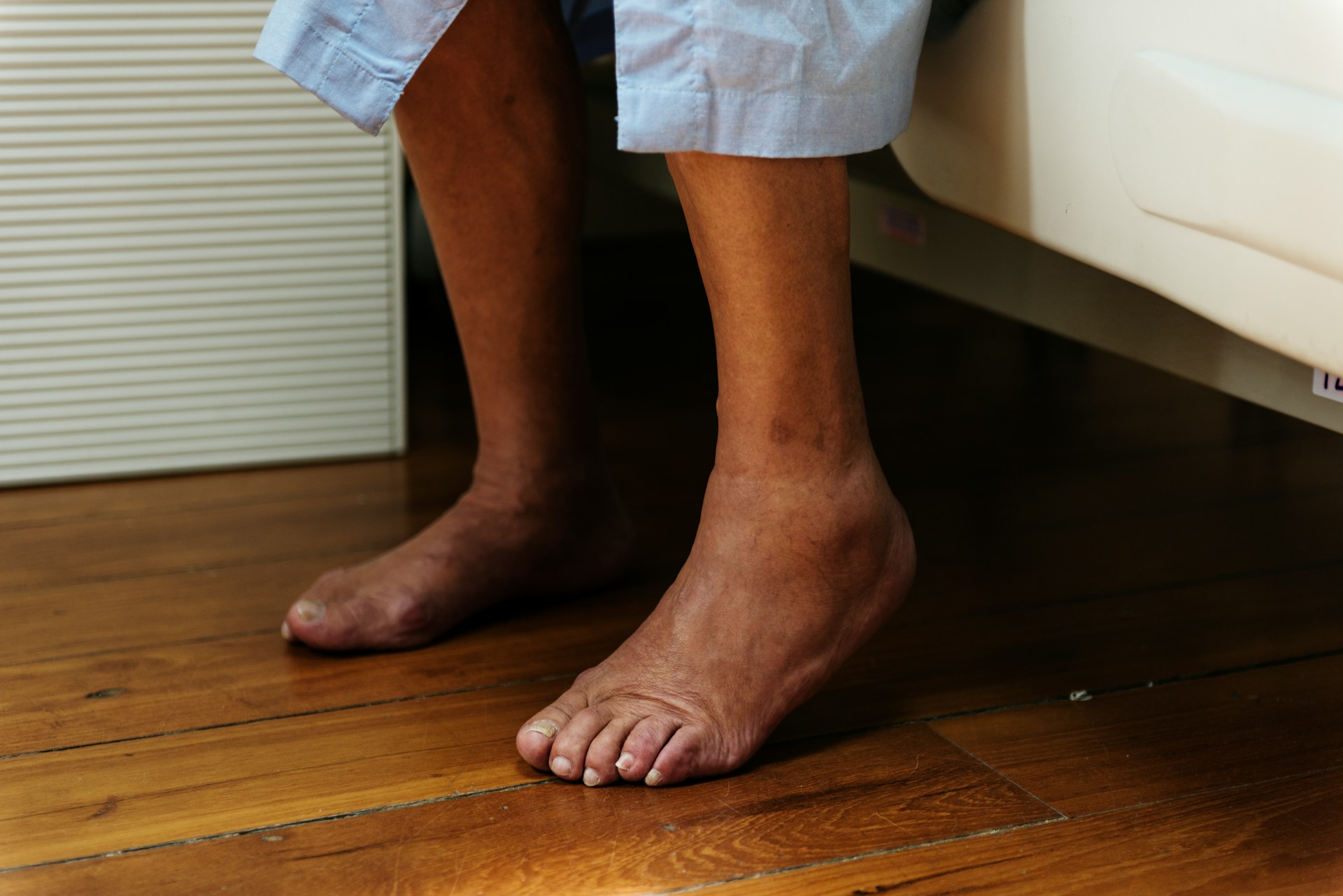
How a “Small” Foot Wound Can Become a Big Problem
A tiny blister from new sandals, a small cut from trimming a toenail too closely, or a scratch from bumping into furniture can seem like no big deal. For people living with diabetes, though, that small spot on the foot can turn into a serious diabetic foot ulcer in a matter of days. When healing is slow and feeling in the feet is reduced, the danger is easy to miss until infection has already set in.
Many patients underestimate these wounds because they do not hurt the way they would in someone without diabetes. Caregivers are often busy, and patients in rehab or long-term care may have a hard time checking their own feet. At Niva Health Wound Care, we remind patients and families that with diabetes there is really no such thing as a minor foot wound. Fast, specialized care can prevent infection, hospitalization, and even the possibility of amputation, and mobile diabetic foot ulcer treatment in Florida means hospital-grade care can come directly to patients in facilities and post-acute settings.
Why Diabetes Turns Minor Foot Wounds Into Major Ulcers
Diabetes changes how the body feels pain, moves blood, and fights infection. When all three are affected, a simple blister or crack in the skin can quickly become a deep, nonhealing ulcer.
Nerve damage, also called diabetic neuropathy, is one of the biggest reasons these wounds are missed. Over time, high blood sugar can damage the nerves in the feet, causing numbness or altered sensation. A person may walk all day on a new blister or a small cut and never feel it. The repeated pressure makes the wound larger and deeper, even though it might not hurt.
Neuropathy does not always show up as complete numbness at first. Some people feel tingling, burning, or sharp, electric-like pains in the feet. Others describe a feeling like wearing tight socks, even when barefoot. When those sensations fade, a complete loss of feeling can follow, and that is when injuries can go unnoticed for long periods.
Poor circulation is another key factor. Diabetes can affect the blood vessels, especially in the legs and feet, which reduces blood flow to the skin and tissues. When blood flow is limited, cells do not receive enough oxygen and nutrients to repair damage. That means a small cut takes much longer to heal and is more likely to break down into an open sore. In older adults, people recovering after hospitalization, and patients living in rehab or long-term care facilities, circulation may already be reduced, which raises the risk for diabetic foot ulcers even more.
Diabetes can also weaken the immune system. The body may be slower to recognize germs and send white blood cells to fight infection. Bacteria can then spread from a superficial wound into deeper layers of tissue and sometimes even reach bone. At that point, the wound becomes a chronic, nonhealing diabetic foot ulcer that often requires specialized, physician-led care to control infection and support healing.
Early Warning Signs a Foot Wound Needs Urgent Attention
With diabetes, the safest approach is to treat any foot wound as urgent until a specialist says otherwise. Certain changes are especially important to notice early.
Visual changes are often the first clue that a wound is becoming serious. Watch for:
- Redness that is spreading out from the wound edges
- Dark discoloration, especially black, blue, or gray areas around the wound
- Swelling or warmth in the foot or ankle compared with the other side
- Shiny, tight-looking skin or skin that seems stretched
- Drainage, pus, or a foul odor coming from the wound or bandage
Changes in sensation and function can also signal trouble. A foot that was mostly numb may suddenly feel painful, burning, or throbbing around the wound. This new pain, even if it seems mild, can be an early sign of infection or increased pressure. Patients may find it harder to walk, put weight on the foot, or wear their usual shoes. Pressure spots often show up as calluses, blisters, or small areas where the skin looks thicker or more irritated, especially on the ball of the foot, heels, or toes.
Whole-body symptoms should never be ignored. These can include:
- Fever or chills
- Feeling unusually tired, confused, or unwell
- A sudden jump in blood sugar readings with no other clear cause
When any of these signs appear, patients and caregivers should not watch and wait. It is important to let facility staff or a healthcare provider know right away so they can arrange prompt diabetic foot ulcer treatment in Florida or wherever the patient is located.
What Advanced Diabetic Foot Ulcer Treatment Looks Like
Advanced care for diabetic foot ulcers is about much more than putting a bandage on a wound. It starts with a thorough evaluation and continues with a tailored plan that may change as the wound improves.
With mobile, physician-led wound care, the first step is a comprehensive bedside assessment. A wound care provider measures the wound size and depth, checks the surrounding skin, and looks for signs of infection. They may gently probe the wound to understand how deep it goes and whether bone is involved. Digital imaging can help track progress over time. The team also reviews the patient’s medical history, medications, blood sugar control, and circulation, all right where the patient lives or recovers, such as a nursing home, rehab center, or assisted living community.
Once the team understands the wound, they can recommend evidence-based treatments that support healing. These may include:
- Debridement to gently remove dead or infected tissue so healthy tissue can grow
- Advanced dressings that keep the wound moist but protected from contamination
- Topical therapies or biologic products to support new tissue growth
- Pressure offloading with special boots, shoe inserts, or devices that reduce repeated trauma
Coordinated care is essential. A mobile wound care team often works closely with primary care providers, podiatrists, vascular specialists, and facility staff. Regular visits allow for ongoing monitoring of the wound, timely dressing changes, and adjustments to the treatment plan as the wound responds. This approach, used by services like Niva Health Wound Care, helps bring hospital-level diabetic foot ulcer treatment in Florida directly to patients and can reduce the need for emergency room visits or unplanned hospital stays.
Prevention Steps Patients and Caregivers Can Start Today
While advanced treatment is vital when an ulcer develops, everyday prevention is just as important. In warm, humid climates, where sandals and open shoes are common, taking care of the feet must be part of the daily routine.
Daily foot checks are a powerful habit. Patients or caregivers should:
- Inspect tops, bottoms, heels, and between the toes every day
- Use a mirror or ask for help if it is hard to see the bottoms of the feet
- Gently wash and thoroughly dry the feet, keeping skin between the toes dry
- Apply moisturizer to prevent cracks, but avoid putting lotion between the toes
- Report any redness, blisters, calluses, or nail changes to a healthcare provider
Footwear choices also matter. Well-fitting, supportive shoes with enough room for the toes can help prevent rubbing and pressure points. Soft socks without tight bands reduce friction and protect the skin. It is safer to avoid going barefoot, even indoors, to prevent injuries from small objects or rough surfaces. Providers can help adjust activity levels or recommend mobility aids so that pressure on vulnerable areas is reduced while patients stay as active as safely possible.
Good blood sugar control supports faster healing and fewer complications. Regular medical follow-ups, including foot exams and vascular evaluations when needed, help catch problems early. Quitting smoking, if it applies, can improve circulation and overall health. In facilities, staff and family members play a key role by noticing changes, documenting concerns, and quickly involving mobile wound care services when something does not look right.
Take Action Fast to Protect Your Feet and Your Independence
Living with diabetes means treating every foot wound as important. A spot that looks small today can turn into a serious ulcer if it is ignored or covered with a simple bandage and forgotten. When patients, families, and caregivers act quickly, they give the wound its best chance to heal before infection or tissue loss occurs.
Early detection, combined with advanced, coordinated care, can prevent infections, hospital stays, and amputations. It also helps patients stay mobile, active, and independent for longer. For those receiving care in nursing homes, assisted living communities, rehab centers, or other post-acute settings, physician-led mobile services make it possible to receive high-quality diabetic foot ulcer treatment in Florida without leaving familiar surroundings. Taking that small wound seriously today is an investment in health, comfort, and independence tomorrow.
Protect Your Feet With Prompt, Specialized Care
If you are noticing a slow-healing sore or changes in your feet, now is the time to explore our expert diabetic foot ulcer treatment in Florida. At Niva Health Wound Care, we focus on early intervention to help prevent infections, hospitalizations, and potential complications. We will assess your wound, create a personalized treatment plan, and guide you on how to protect your feet going forward. To schedule an appointment or ask questions, please contact us today.