When Leg Sores Become a Michigan Medical Emergency
Venous leg ulcers are open sores that usually form around the ankles and lower legs when the veins are not moving blood back to the heart the way they should. They are common in older adults and in people who already have varicose veins, vein disease, or trouble walking. In Michigan, where many people spend long hours sitting or standing and deal with chronic health issues, these ulcers show up often.
Some venous ulcers are chronic but stable. They may be slow to heal, but they are not getting bigger, more painful, or infected. Others change quickly and become urgent or even life-threatening. Knowing the difference helps you act fast when something is wrong. When patients, families, and care facilities spot red-flag symptoms early, they can often avoid hospital stays, severe infections, and even the risk of losing part of a leg.
How Venous Ulcers Start and Why They Get Worse
Venous ulcers usually start with circulation problems. When leg veins are weak or damaged, blood has trouble moving upward. Fluid then collects in the lower legs. Over time, this swelling stretches the skin, making it thin and fragile. Small injuries that would normally heal can turn into open sores that do not close.
Michigan patients often face certain risk factors that make venous ulcers more likely, such as:
- Jobs that require long hours sitting at a desk or standing in one place
- Obesity and limited mobility
- Heart failure or other heart and circulation problems
- Diabetes that affects blood flow and nerve feeling in the feet and legs
- A history of blood clots in the legs
- Long periods of inactivity during cold winter months
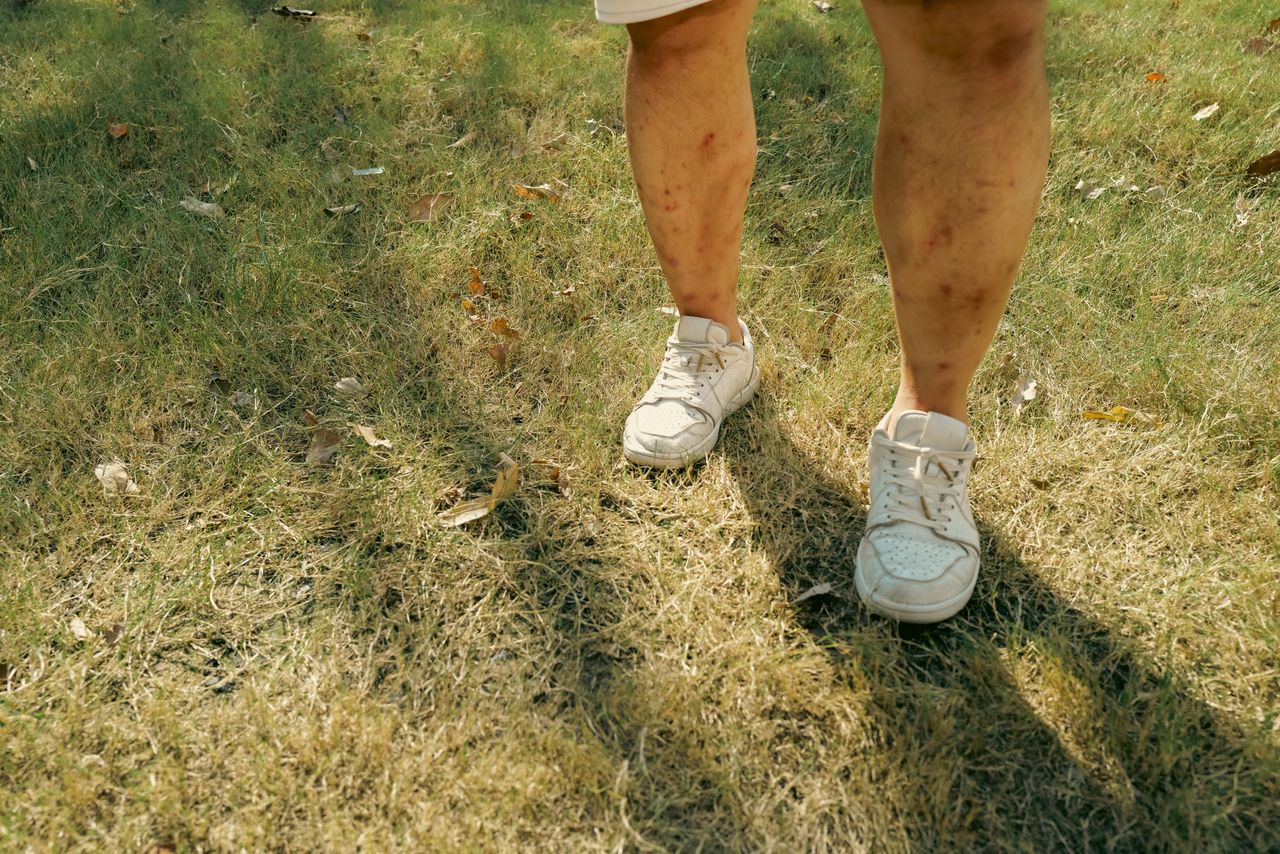
Before an ulcer appears, the body often gives warning signs. These early changes are easy to ignore but important to notice. Legs may feel heavy, achy, or tired, especially at the end of the day. Skin color can begin to change around the ankles, often turning darker or rusty looking, and the skin may become itchy or scaly in a way that keeps getting worse. Even minor cuts, scratches, or bug bites may seem slow to heal.
When these clues are missed, the skin can finally break open, and an ulcer forms. Without the right venous ulcer treatment in Michigan, these wounds can quickly turn into a serious problem.
Red-Flag Ulcer Symptoms You Cannot Ignore
Not every venous ulcer is an emergency, but some symptoms mean the risk is rising. The following signs around the wound itself should make you act quickly and talk with a medical provider:
- Rapidly increasing pain or pain that suddenly feels very different
- Redness or warmth spreading away from the sore into the surrounding skin
- A foul or unusual odor coming from the wound
- Thick yellow, green, or cloudy drainage or pus
- Blackened, gray, or dead-looking skin at or near the ulcer
These changes can point to a growing infection or tissue damage that needs urgent attention.
There are also body-wide warning signs that should never be ignored. These might mean the infection is spreading or that a blood clot or other serious problem is developing:
- Fever or chills
- Worsening fatigue or feeling very weak
- Confusion or sudden change in alertness, especially in older adults
- Sudden swelling of one leg more than the other
- Shortness of breath or chest discomfort along with leg swelling
How do you tell the difference between “watch closely and call soon” and “call now” symptoms? Use this comparison as a guide:
- Watch closely and call soon: mild increase in drainage, slight color change, or slowly rising discomfort without fever or fast spread of redness.
- Call the same day or go to urgent care: spreading redness, strong odor, thicker drainage, or rapidly increasing pain.
- Seek emergency help: high fever, shaking chills, confusion, shortness of breath, or sudden major swelling of one leg.
When in doubt, it is safer to treat new or worsening ulcer symptoms as urgent until a medical professional gives clear guidance.
Seasonal Triggers That Make Summer Ulcers Riskier
Michigan summers can be warm and humid, and this weather can make leg swelling worse. Heat tends to open up blood vessels and lets more fluid leak into the tissues of the lower legs. For someone who already has vein problems, this often means more puffiness, more pressure on the skin, and a higher chance that a small area of fragile skin will break down.
Common warm-weather habits can add to that risk:
- Long car or bus rides for trips, with little chance to move or elevate the legs
- Outdoor events where people stand in one spot for long periods
- Not drinking enough water, which can affect circulation and overall health
- Skipping compression stockings because they feel hot or tight
- Wearing sandals or shoes that do not protect the ankles from bumps or scrapes
Some simple steps may help lower the chance that a venous ulcer will worsen in summer:
- Elevate the legs after long periods of walking, standing, or travel
- Stay hydrated with water throughout the day unless a provider has given fluid limits
- Wear compression as directed, choosing breathable options when possible
- Pick sturdy, comfortable footwear that supports and protects the feet and ankles
- Check the legs daily for new redness, dark patches, or small spots that look irritated
Any new sore, blister, or scrape that does not start to look better in a few days should be brought to a medical provider’s attention, especially in someone with known vein disease.
Why Mobile Wound Care Can Keep You Out of the Hospital
For many Michigan patients, getting to a clinic or hospital for frequent wound checks is hard. Pain, mobility limits, and transportation problems make each visit stressful. That is where physician-led, mobile advanced wound care at the bedside can make a real difference.
With mobile wound care, patients can receive hospital-grade treatments where they live or recover. This includes:
- Careful wound assessments and measurements
- Cleaning, dressings, and other advanced treatments ordered by a physician
- Close monitoring for signs of infection or poor blood flow
- Adjustments to dressing plans as the wound and symptoms change
When care teams can see the wound regularly in the patient’s own setting, they can spot trouble early. Niva Health Wound Care partners with Michigan facilities, primary care providers, and families to respond quickly when a venous ulcer starts to change. That way, treatment can be stepped up before the situation turns into an emergency.
This steady, on-site attention often helps reduce trips to the ER, hospital stays, and serious complications. It is especially helpful for people in long-term care, skilled nursing, rehabilitation centers, or anyone whose health or mobility makes travel difficult.
Take Action Now to Protect Your Legs and Your Health
A quick self-check or caregiver check can provide important clues about leg health. Today, take a close look at the legs and any known ulcers. As you check, focus on whether the ulcer has changed in size, depth, or shape; whether there is more drainage or a change in the color or smell of the drainage; whether the skin around the sore is more red, warm, or swollen than before; and whether there is new or stronger pain, especially at rest or at night. If you see rapid changes, spreading redness, or signs of infection, medical care should not be delayed.
Call emergency services right away if there is:
- Fever with shaking chills
- Sudden confusion or trouble staying awake
- Shortness of breath, chest discomfort, or sudden severe leg swelling
- Red streaks moving up the leg or concern that an infection is spreading fast
For ulcers that are not life-threatening but are worsening or not healing, specialized venous ulcer treatment in Michigan is important. Mobile wound care teams like Niva Health Wound Care can come directly to the patient’s bedside, bringing physician-led, advanced care into the home or facility. This approach focuses on safety, comfort, and promoting faster healing while lowering the chances of emergency visits and hospital stays.
Take The First Step Toward Healing Your Venous Ulcer
If you are living with leg pain, swelling, or a chronic wound, Niva Health Wound Care is ready to help you find effective, lasting relief. Our specialists personalize every care plan so your venous ulcer treatment in Michigan fits your needs and lifestyle. Reach out so we can evaluate your wound, explain your options, and get you started on a clear path to healing. To schedule an appointment or ask questions, simply contact us today.