Compression Therapy in Michigan: Early Warning Signs You Shouldn’t Ignore

Early Warning Signs You Should Not Ignore Swollen ankles, heavy legs, and dry, itchy skin might seem like small problems, but they can be early clues that your circulation is struggling. For people in Michigan with venous disease, diabetes, or slow-healing wounds, catching these signs early can help prevent ulcers, infections, and avoidable hospital time. Compression therapy is a common treatment that uses gentle pressure around the legs to help blood and fluid move the way they should. It is being recommended more often for people with leg swelling, vein problems, and chronic wounds. In Michigan, it is easy to overlook symptoms. Long winters, slippery sidewalks, and less walking can all add up to more sitting and standing, which can make swelling and circulation issues worse. Our goal here is simple: help you notice early warning signs, understand when compression therapy in Michigan might be needed, and show how mobile wound care can support you or your loved one at home or in a care facility. Subtle Symptoms That Signal Trouble Is Starting Circulation problems usually do not start with a big, dramatic change. They often whisper before they shout. Some early signs include: You may also see early changes in the skin, such as: These are the kinds of symptoms many people shrug off as “just getting older” or “standing too long at work.” But this is exactly the stage when compression therapy can be most helpful. Gentle, regular support at this point can slow or stop things from moving toward open wounds. In Michigan, seasonal habits can hide these warning signs. During colder months, people tend to: Because of that, changes in leg color, skin texture, or mild swelling can go unseen for months. By the time someone notices, the problem may be further along than it appears. When Swelling and Skin Changes Mean You Need Help As circulation issues progress, the warning signs become harder to ignore. These changes often signal that it is time for professional evaluation and possible compression therapy in Michigan: Before open sores appear, the skin usually starts sending clear signals. Watch for: Conditions like diabetes, heart disease, and kidney disease can make these problems more serious. When blood sugar is not well controlled, small injuries on the feet and legs can turn into slow-healing wounds. Heart and kidney problems can add extra fluid to the legs and feet, making swelling worse and putting more pressure on the skin. If you or someone you care for notices these changes, it is important not to wait for an actual open wound to appear. Once the skin breaks, treatment becomes more complex, takes longer, and often requires more frequent visits from healthcare professionals. How Compression Therapy Supports Healing and Comfort Compression therapy works by applying gentle, steady pressure to the legs. This pressure is usually strongest at the ankle and gradually lessens as it moves up the leg. That pattern helps: There are several types of compression that might be used for Michigan patients: People who may benefit from compression include those with: Many people worry that compression is only for “old people,” or that it will be painful or too tight. When compression is properly measured, chosen by a medical professional, and applied correctly, it is designed to be supportive, not painful. It should always be supervised and adjusted by a healthcare provider to make sure it is safe for your circulation. Safe Use of Compression Therapy in Michigan Homes Compression therapy is not a do-it-yourself project. Proper fitting and medical oversight matter a lot. Compression that is too tight, the wrong type, or used in someone with serious arterial disease can cause harm rather than help. In home and facility settings, some general habits are often recommended: Michigan’s changing seasons add some special considerations. In winter, In summer, A physician-led mobile wound care team can be very helpful for people who are homebound, live in senior communities, or stay in long-term care facilities. These teams can assess circulation, decide if compression is safe, select the type and level of compression, apply it correctly, and adjust the plan based on how the legs and skin respond over time. Taking Early Signs Seriously When swelling, skin color changes, or slow-healing spots keep coming back, it is the body’s way of asking for help. Acting on these early signs instead of waiting for an open wound can protect your legs, your comfort, and your independence. For Michigan patients and families, as well as staff in facilities, paying close attention to legs and feet is a simple habit that can make a big difference. A careful wound and circulation assessment, including review for compression therapy, can often be done right where the person lives. Physician-led mobile teams like Niva Health Wound Care are designed to bring hospital-grade wound care and compression management directly to homes and care settings, so the right support can start as early as possible. Take The Next Step Toward Healthier, More Comfortable Legs If you are ready to address leg swelling, pain, or nonhealing wounds, our team at Niva Health Wound Care is here to help you explore personalized options for compression therapy in Michigan. We will evaluate your circulation, discuss your symptoms, and recommend a tailored plan to support better healing and long-term comfort. To schedule your visit or ask questions about your specific condition, please contact us today.
When Nursing Home Wound Care in Michigan Demands a Specialist
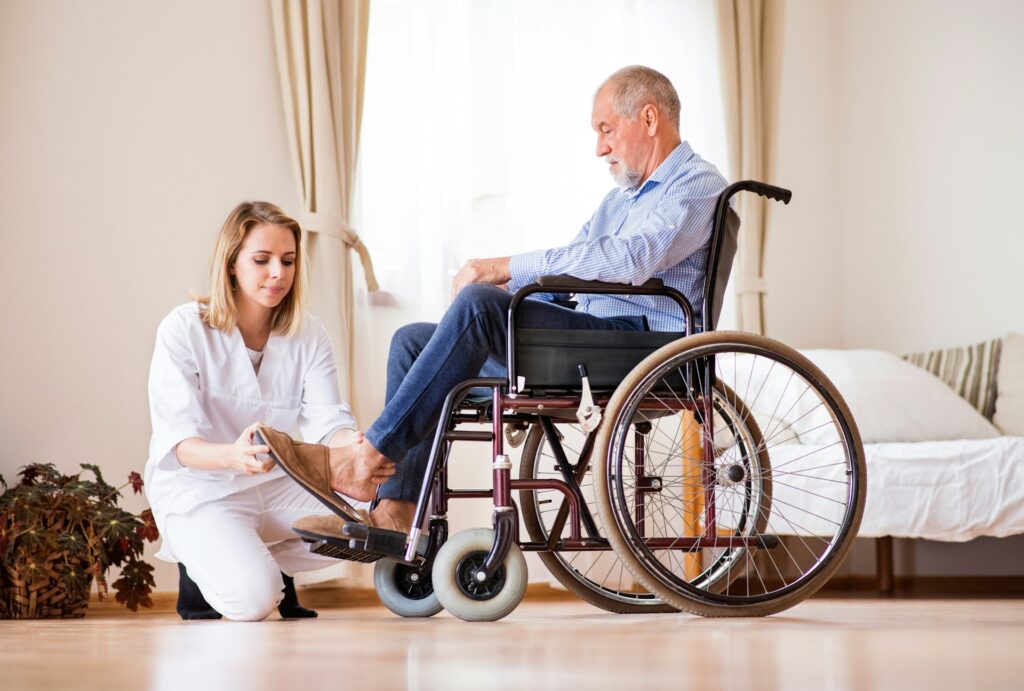
When Wounds in Nursing Homes Become High-Risk Nursing home teams in Michigan see small skin issues every day. A tiny blister on a heel, a scrape on a shin, a red spot on the back from sitting too long. At first, it may not look like much. But for an older adult with other health problems, that small wound can change very fast. Families feel scared, staff feel pressure, and everyone worries about hospital transfers. In older adults, wounds are more dangerous than they appear. Many residents have chronic conditions like diabetes or heart disease. Their skin is thinner, they move less, and blood flow to the legs and feet can be poor. All of this slows the body’s ability to heal. In warmer weather, when heat and humidity increase moisture on the skin, the risk of skin breakdown and infection can rise even more. This is where specialized, physician-led wound care can make a real difference. When nursing home wound care in Michigan includes focused medical attention at the bedside, it can help wounds heal faster, lower the chance of infection, and reduce the need for stressful hospital stays. It can also give families and staff peace of mind that complex wounds are being handled with advanced skill. Why Some Nursing Home Wounds Need a Specialist Not every wound needs advanced care, but some types are simply harder to heal in a nursing home setting. These are the wounds that often demand a specialist’s eye and hands, such as: Certain red flags should prompt a call for help from a wound care specialist. Warning signs include: A wound care specialist can look beyond the surface. Instead of only changing dressings, they can: This kind of detailed, physician-led care is especially helpful when wounds keep coming back, stall halfway, or quickly worsen during seasonal changes when skin issues are more common. The Limits of Standard Nursing Home Wound Care Nurses and aides in Michigan nursing homes work hard. They handle many residents, multiple medications, and countless daily tasks. Wound care is just one part of their day. Staffing shortages, time pressure, and frequent turnover can make it hard to give every complex wound the close attention it needs. Standard wound protocols and generic dressings are helpful for basic care, but they have limits. When a wound is stubborn, infected, or linked to deep medical issues, relying only on routine steps can lead to: Michigan facilities also face real-world pressures. There is close regulatory attention on pressure injuries and wound outcomes. Families expect to see clear progress, especially when they visit more often during warmer months and holidays. Hot, humid weather can cause more sweating and moisture, which raises the chance of skin breakdown, rashes, and moisture-related wounds. All of this puts extra stress on facility teams trying to keep residents safe and comfortable. Standard care is important, but it may not be enough when wounds are high risk. That is where bringing in dedicated wound specialists can help support the staff and protect residents. How Physician-Led Mobile Wound Care Changes Outcomes Physician-led, mobile advanced wound care brings hospital-grade treatment right to the bedside. Instead of sending a fragile resident out to a clinic or hospital, the wound expert comes into the facility. This can include: For facilities, this approach can offer many practical benefits. When complex wounds are treated on-site, there may be fewer hospital transfers. Documentation tends to be clearer and more detailed, which helps with survey readiness and communication with families. Stronger clinical outcomes support quality measures and can contribute to better star ratings. A service like Niva Health Wound Care does not replace the nursing home team; it works with them. Effective mobile wound care means close coordination with: Shared care plans, timely updates, and clear communication with families all help keep everyone on the same page. The goal is simple: give every resident the chance to heal with the level of care they would expect in a hospital, without leaving their room. Choosing the Right Wound Care Partner in Michigan For administrators and directors of nursing, choosing a wound care partner is a key decision. Not all wound services are the same. Some practical criteria to consider include: When evaluating options, helpful questions to ask include: Regional coverage also matters. Facilities need reliable support across Michigan, including during holidays and busy summer months when admissions may increase and families visit more often. During these times, expectations for visible wound progress and clear communication are even higher, so a consistent, organized partner is important. Take Action Before the Next Wound Becomes an Emergency One of the most helpful steps a facility can take is to look honestly at current wound outcomes. Clinical leaders can review: In many of these situations, specialized wound support might have changed the path of care. By planning ahead, facilities can be ready before the next high-risk wound appears. Establishing a relationship with a physician-led mobile wound care team, such as Niva Health Wound Care, means there is a trusted partner ready when needs rise, including during peak summer and holiday seasons. Proactive planning does not just protect residents; it supports the entire care team. With expert wound care at the bedside, nursing homes in Michigan can feel more confident facing complex wounds, knowing they are not facing them alone. Support Better Healing Outcomes For Your Residents If your facility is ready to reduce preventable complications and improve wound healing, we are here to partner with you. Our specialized team provides comprehensive bedside services focused on consistent, evidence-based care for your residents who need nursing home wound care in Michigan. At Niva Health Wound Care, we collaborate closely with your staff to streamline treatment plans and documentation. To discuss how we can support your facility, please contact us today.
Surgical Incision Warning Signs After Leaving the Hospital
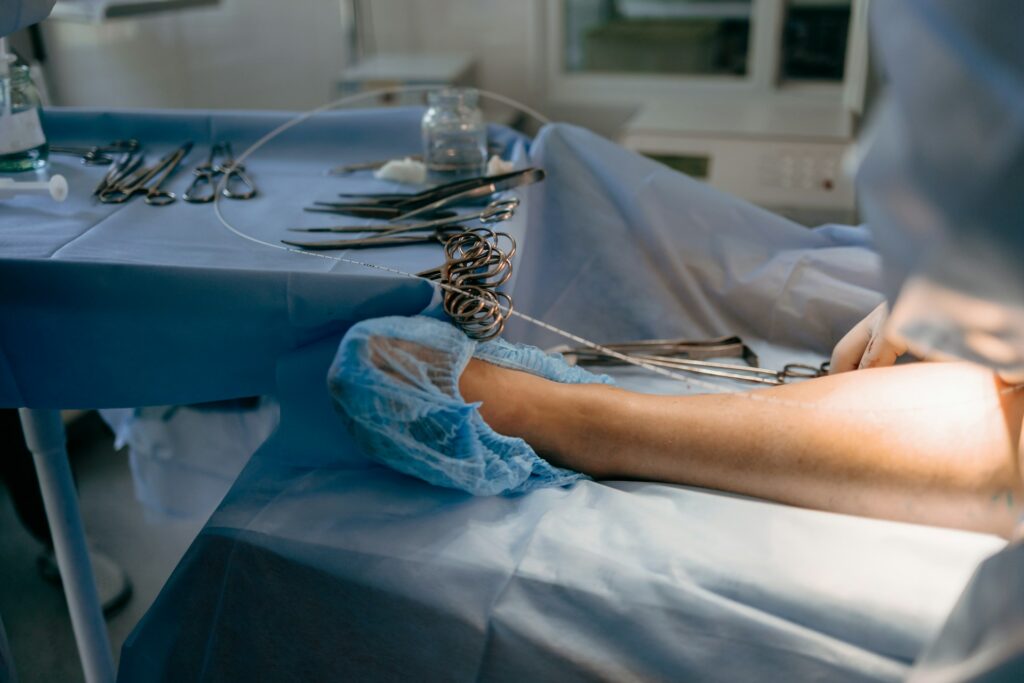
Healing at Home After Surgery: Warning Signs to Watch For Healing after surgery does not end when a patient leaves the hospital. The way a surgical incision behaves at home or in a post-acute facility often determines how well someone recovers. Mild redness, slight swelling, a little clear or pink drainage, and manageable pain are usually part of normal healing during the first days. The incision should gradually look calmer, drier, and less tender as time goes on. Those first days and weeks carry higher risk, especially for older adults, people with diabetes, vascular disease, or limited mobility. In places like Florida, heat and humidity can also make it harder to keep dressings clean and dry, which may increase the chance of problems. Surgical wound complications Florida patients experience can escalate quickly if warning signs are missed. In this article, we explain how to tell what is normal, what is not, and when to involve the surgeon or a mobile wound care team like the team at Niva Health Wound Care. Normal Incision Changes Versus Red Flags A healthy surgical incision follows a fairly predictable pattern. In the first few days, the edges should be coming together, sometimes held by stitches, staples, or glue. The skin around it is often pink or lightly red, a bit puffy, and tender to the touch. Light, clear, or slightly blood-tinged drainage is common at first, but it should slowly decrease. Pain should trend down, not up, as each day passes. Red flags begin when these changes move in the wrong direction. Instead of staying local, redness may spread away from the incision edges. The area can feel warmer and more swollen, or the swelling can feel firm or tight instead of soft. Drainage may increase instead of decrease, or change in color or odor. When patients have been told to expect “some redness” or “some pain,” it can be hard to know when to worry, so watching for patterns that are getting worse is important. In warm, humid climates like Florida, moisture and sweat can collect under dressings and in skin folds. That trapped moisture can break down skin, loosen tape, and create a more favorable environment for bacteria. This is one reason surgical wound complications Florida patients face may develop even when a wound looked fine at discharge. Regular checks, dressing changes as instructed, and keeping the area dry are key parts of prevention. Pain, Redness, and Swelling That Should Never Be Ignored Not all pain is the same. We expect some soreness, especially with movement, during the first several days. Pain becomes a red flag when it suddenly gets worse after it had been improving, or when it changes in character to throbbing, burning, or sharp pain that does not ease with prescribed medication. Pain that keeps someone from sleeping, eating, or participating in therapy is a concern. Redness has patterns that matter as well. Concerning signs include redness that: Swelling needs attention when it is one-sided, hard, or so tight that it limits movement of a joint or limb. Swelling combined with warmth and tenderness can point to infection, an abscess, or circulation problems. For patients with diabetes, peripheral artery disease, heart failure, or a history of poor healing, these changes are even more worrisome. These individuals already have less reserve, so even a “small” problem can quickly turn serious without timely medical evaluation. Drainage, Odor, and Opening of the Incision Some drainage is expected, especially with larger surgeries. Normal drainage is usually: Abnormal drainage looks or smells different. Thick yellow, green, or brown fluid, especially if it resembles pus, is a warning sign. So is a sudden jump in the amount of drainage after it had been slowing down. A strong, foul, or “rotten” odor from the incision or dressing often signals infection, even if the incision looks only mildly red at first glance. Incision separation, also called dehiscence, is another urgent issue. This might show up as stitches pulling apart, new gaps forming along the incision line, or deeper tissue becoming visible under the skin. Sometimes a wound reopens after an unexpected strain, coughing spell, or fall. In any of these situations, the risk of infection and delayed healing rises sharply. Increased drainage, odor, or wound opening are significant warning signs of surgical wound complications Florida patients may encounter, and they often need advanced wound care, possible cultures, and adjustments in treatment such as different dressings or antibiotics. Fever, Weakness, and Whole-Body Symptoms An incision problem does not always stay local. A fever of 100.4°F (38°C) or higher, especially when paired with chills or night sweats, can indicate the body is fighting an infection related to the surgical site. When there is no clear explanation like a known cold or flu, that fever deserves attention. Other whole-body symptoms can be subtle but serious. These may include: These signs can be early clues of a spreading infection or sepsis, a life-threatening reaction to infection that affects the entire body. Patients in skilled nursing facilities, assisted living, or rehabilitation centers often have multiple medical conditions that increase this risk. When fever or systemic symptoms appear along with incision changes, they should trigger immediate medical attention or emergency care, not a “wait and see” approach. When to Call the Surgeon Versus Mobile Wound Care Specialists Patients and caregivers often wonder who to call first. The surgeon’s office is usually the right place to start for mild concerns, questions about dressings, or early signs that are not rapidly worsening. Examples might be a small increase in soreness, a bit more redness right at the incision line, or uncertainty about whether a dressing looks okay. Keeping the surgeon informed helps them decide if a simple adjustment is enough or if an in-person visit is needed. Certain situations, though, require urgent or emergency help. These include rapidly spreading redness, high fever with chills, severe or escalating pain, an incision that opens, or heavy bleeding that does not slow down. In those cases, getting
Why Leg Ulcers Keep Coming Back When Swelling Isn’t Controlled

How Ongoing Swelling Sabotages Leg Ulcer Healing Leg ulcers are open sores on the lower leg or ankle that do not heal the way a normal cut would. They often start from a small injury or area of fragile skin, then linger for weeks or months. Once they appear, they can be very hard to heal because circulation in the area is already poor and the skin has been weakened over time. Chronic swelling, also called edema, makes this problem worse. When fluid builds up in the leg tissues, it increases pressure inside the skin and the spaces around blood vessels. That pressure makes it harder for oxygen and nutrients to reach the skin, and harder for waste products to drain away. The result is slow healing, more pain, and a higher risk of infection. This is the key idea: if swelling is not controlled, even excellent wound care can fall short. Ulcers may finally close, only to split open again the next time swelling flares up. At NIVA Health Wound Care, we bring physician-led, hospital-grade treatment directly to patients in post-acute and facility-based settings, but long-term success almost always depends on getting swelling under control and keeping it there. Why Leg Ulcers Return: The Role of Venous Disease and Lymphedema For many people with leg ulcers, the main driver of swelling is chronic venous insufficiency. The veins in the legs are supposed to move blood back up to the heart. When the valves in those veins weaken or fail, blood pools in the lower legs. Pressure inside the veins rises, the vessel walls stretch, and fluid leaks out into the surrounding tissues, creating ongoing swelling. Lymphedema can add another layer of trouble. The lymphatic system is the body’s drainage network for extra fluid. If it is damaged by surgery, infection, trauma, or long-standing vein problems, fluid does not clear properly. Legs can feel heavy, tight, or achy, and the skin can become thick and less flexible. Obesity, limited mobility, and previous leg injuries all increase the likelihood that this swelling will be persistent and hard to manage. Once the skin has been damaged by a leg ulcer, the area never returns to its original strength. Scarred tissue is thinner and more fragile, so it is more likely to break down again when swelling stretches the skin or when a minor bump occurs. If we only treat the open wound with dressings, creams, or medications, and ignore the underlying swelling, we are almost guaranteeing that new ulcers will keep forming in the same area. That is why a complete leg ulcer plan has to look past the surface of the skin. Treating the wound is essential, but treating the pressure and fluid underneath the skin is just as important if we want healing to last. How Compression Controls Swelling and Protects Healing Skin Compression therapy is a non-surgical treatment that applies gentle, graduated pressure to the legs to improve blood circulation and reduce swelling. The pressure is usually strongest at the ankle and gradually lessens higher up the leg. This gradient helps push blood and fluid back toward the heart instead of letting it stagnate in the lower leg. By improving venous return, compression reduces pooling in weak veins and decreases leakage of fluid into the tissues. It also gives some external support to stretched or weakened vein walls. All of this lowers the internal pressure that can open up old ulcers or create new ones, and it helps protect areas of skin that have recently healed. Common compression options include: A physician or wound care specialist decides which option is best based on the person’s circulation, skin condition, and ability to put on and remove the garments. Compression therapy in Michigan is commonly recommended at medical clinics, vein centers, and physical therapy practices for conditions like varicose veins, chronic venous insufficiency, and lymphedema. When it is paired with good skin care and regular follow-up, it can be a powerful tool for keeping ulcers closed. What to Expect From Compression Therapy in Michigan If you or someone you care for is being evaluated for compression therapy in Michigan, the process usually starts with a careful assessment. The clinician will review medical history, including heart disease, diabetes, prior blood clots, and any past leg ulcers. They will look closely at the legs, measure their size, and check circulation, often by feeling pulses or using a simple handheld device. From there, the care team decides on the right level of compression, type of device, and daily schedule. They consider how active the person is, whether the skin is fragile or thickened, and how easy it will be to apply and remove the garment safely. Higher levels of compression are not always better. The goal is to choose something effective that the person can actually use every day. People often have understandable concerns, such as: Education and practice help a lot. Many patients benefit from donning aids, caregiver support, and written instructions. For patients in post-acute or facility-based settings, mobile wound care services like ours frequently work with on-site nurses and therapists to coordinate or reinforce compression plans right at the bedside, so therapy becomes part of the daily routine instead of an occasional add-on. Partnering Compression with Advanced Mobile Wound Care At NIVA Health Wound Care, we are a physician-led mobile wound care service that brings advanced, hospital-grade treatments directly to patients where they live or recover. This can include careful wound cleaning, removal of non-healing tissue, advanced dressings, and close monitoring for infection. Our role is to address the wound itself and support the body’s natural repair process. However, we see again and again that wound treatment alone is rarely enough for chronic leg ulcers. When we pair expert wound care with consistent compression therapy in Michigan, we often help patients finally break the cycle of ulcers reopening. Compression supports our work between visits by keeping swelling down and protecting the fragile skin that is trying to rebuild. Regular follow-up
When a Small Foot Wound Turns Serious With Diabetes
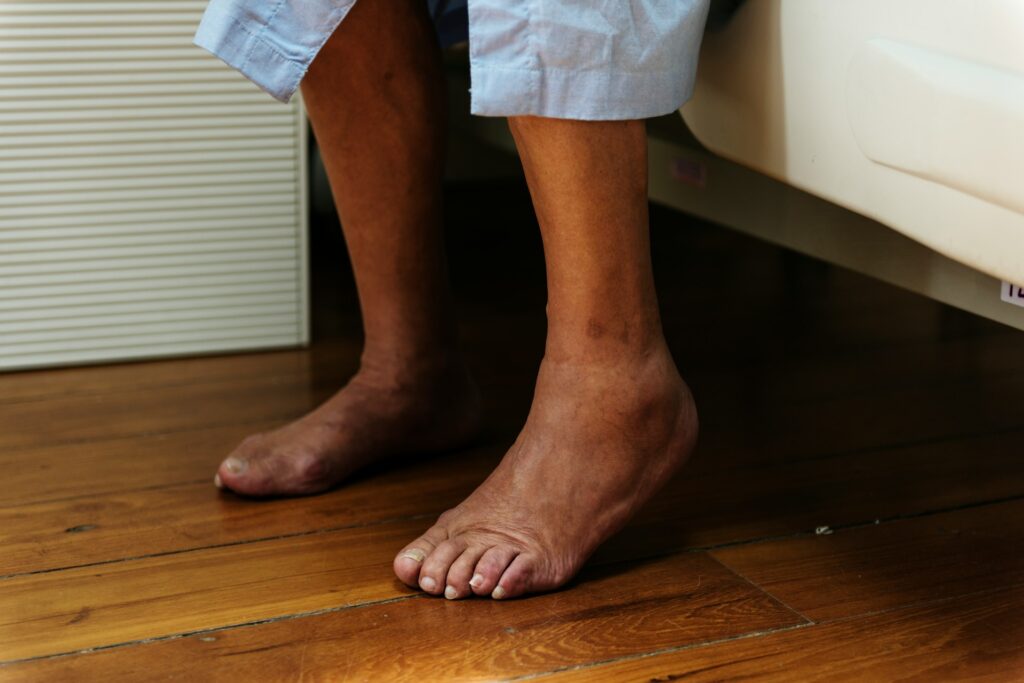
How a “Small” Foot Wound Can Become a Big Problem A tiny blister from new sandals, a small cut from trimming a toenail too closely, or a scratch from bumping into furniture can seem like no big deal. For people living with diabetes, though, that small spot on the foot can turn into a serious diabetic foot ulcer in a matter of days. When healing is slow and feeling in the feet is reduced, the danger is easy to miss until infection has already set in. Many patients underestimate these wounds because they do not hurt the way they would in someone without diabetes. Caregivers are often busy, and patients in rehab or long-term care may have a hard time checking their own feet. At Niva Health Wound Care, we remind patients and families that with diabetes there is really no such thing as a minor foot wound. Fast, specialized care can prevent infection, hospitalization, and even the possibility of amputation, and mobile diabetic foot ulcer treatment in Florida means hospital-grade care can come directly to patients in facilities and post-acute settings. Why Diabetes Turns Minor Foot Wounds Into Major Ulcers Diabetes changes how the body feels pain, moves blood, and fights infection. When all three are affected, a simple blister or crack in the skin can quickly become a deep, nonhealing ulcer. Nerve damage, also called diabetic neuropathy, is one of the biggest reasons these wounds are missed. Over time, high blood sugar can damage the nerves in the feet, causing numbness or altered sensation. A person may walk all day on a new blister or a small cut and never feel it. The repeated pressure makes the wound larger and deeper, even though it might not hurt. Neuropathy does not always show up as complete numbness at first. Some people feel tingling, burning, or sharp, electric-like pains in the feet. Others describe a feeling like wearing tight socks, even when barefoot. When those sensations fade, a complete loss of feeling can follow, and that is when injuries can go unnoticed for long periods. Poor circulation is another key factor. Diabetes can affect the blood vessels, especially in the legs and feet, which reduces blood flow to the skin and tissues. When blood flow is limited, cells do not receive enough oxygen and nutrients to repair damage. That means a small cut takes much longer to heal and is more likely to break down into an open sore. In older adults, people recovering after hospitalization, and patients living in rehab or long-term care facilities, circulation may already be reduced, which raises the risk for diabetic foot ulcers even more. Diabetes can also weaken the immune system. The body may be slower to recognize germs and send white blood cells to fight infection. Bacteria can then spread from a superficial wound into deeper layers of tissue and sometimes even reach bone. At that point, the wound becomes a chronic, nonhealing diabetic foot ulcer that often requires specialized, physician-led care to control infection and support healing. Early Warning Signs a Foot Wound Needs Urgent Attention With diabetes, the safest approach is to treat any foot wound as urgent until a specialist says otherwise. Certain changes are especially important to notice early. Visual changes are often the first clue that a wound is becoming serious. Watch for: Changes in sensation and function can also signal trouble. A foot that was mostly numb may suddenly feel painful, burning, or throbbing around the wound. This new pain, even if it seems mild, can be an early sign of infection or increased pressure. Patients may find it harder to walk, put weight on the foot, or wear their usual shoes. Pressure spots often show up as calluses, blisters, or small areas where the skin looks thicker or more irritated, especially on the ball of the foot, heels, or toes. Whole-body symptoms should never be ignored. These can include: When any of these signs appear, patients and caregivers should not watch and wait. It is important to let facility staff or a healthcare provider know right away so they can arrange prompt diabetic foot ulcer treatment in Florida or wherever the patient is located. What Advanced Diabetic Foot Ulcer Treatment Looks Like Advanced care for diabetic foot ulcers is about much more than putting a bandage on a wound. It starts with a thorough evaluation and continues with a tailored plan that may change as the wound improves. With mobile, physician-led wound care, the first step is a comprehensive bedside assessment. A wound care provider measures the wound size and depth, checks the surrounding skin, and looks for signs of infection. They may gently probe the wound to understand how deep it goes and whether bone is involved. Digital imaging can help track progress over time. The team also reviews the patient’s medical history, medications, blood sugar control, and circulation, all right where the patient lives or recovers, such as a nursing home, rehab center, or assisted living community. Once the team understands the wound, they can recommend evidence-based treatments that support healing. These may include: Coordinated care is essential. A mobile wound care team often works closely with primary care providers, podiatrists, vascular specialists, and facility staff. Regular visits allow for ongoing monitoring of the wound, timely dressing changes, and adjustments to the treatment plan as the wound responds. This approach, used by services like Niva Health Wound Care, helps bring hospital-level diabetic foot ulcer treatment in Florida directly to patients and can reduce the need for emergency room visits or unplanned hospital stays. Prevention Steps Patients and Caregivers Can Start Today While advanced treatment is vital when an ulcer develops, everyday prevention is just as important. In warm, humid climates, where sandals and open shoes are common, taking care of the feet must be part of the daily routine. Daily foot checks are a powerful habit. Patients or caregivers should: Footwear choices also matter. Well-fitting, supportive shoes with enough room for the toes
How Advanced Wound Care Helps Reduce Hospital Readmissions

Hospital readmissions related to wound complications place a significant burden on patients and healthcare systems. Many of these readmissions are preventable with consistent, high-quality wound care delivered at the right time. Advanced wound care focuses on early detection, proactive treatment, and continuous monitoring. Therapies such as NPWT (wound vac), MIST Therapy, compression therapy, and biologic grafts are designed to accelerate healing and prevent infection before complications escalate. Another critical factor in reducing readmissions is care coordination. When wound care providers work closely with facility teams, nurses, and caregivers, treatment plans remain consistent and effective. EMR-integrated documentation ensures accurate communication and continuity of care across all settings. Mobile wound care further strengthens this approach by eliminating gaps in treatment. Patients receive bedside care in skilled nursing facilities, assisted living communities, or at home—reducing missed appointments and delayed interventions. At NIVA Health Mobile Wound Care, physician-led teams provide comprehensive wound management focused on long-term healing. Through regular follow-ups, staff education, and evidence-based practices, patients experience fewer complications and improved recovery outcomes. Reducing hospital readmissions isn’t just about cutting costs—it’s about delivering better care. Advanced, mobile wound care helps patients heal safely, comfortably, and effectively where they need it most.
Understanding Chronic Wounds and Why Early Treatment Matters

Chronic wounds are wounds that fail to heal within the expected timeframe and often persist for weeks or months. Common examples include diabetic foot ulcers, pressure injuries, venous ulcers, and non-healing surgical wounds. Without proper care, chronic wounds can lead to serious complications such as infection, tissue damage, and hospitalization. One of the main reasons chronic wounds worsen is delayed treatment. Poor circulation, underlying health conditions, and inadequate wound management can all slow healing. Early assessment by experienced wound care specialists is critical to identifying the root cause and developing an effective treatment plan. Advanced wound care focuses on more than just dressing changes. It includes accurate wound staging, infection management, debridement, compression therapy, and the use of advanced biologic dressings and grafts. These evidence-based therapies stimulate tissue repair and support long-term healing. Ongoing monitoring is equally important. Chronic wounds require regular evaluation to track progress and prevent setbacks. Without consistent follow-up, minor issues can quickly become major complications. NIVA Health Mobile Wound Care specializes in managing chronic and non-healing wounds in post-acute settings. By delivering physician-led care directly at the bedside, patients receive timely treatment without disruption to their daily lives. This approach improves healing outcomes while reducing the risk of hospital readmissions. Early intervention saves time, reduces complications, and improves patient quality of life. When it comes to chronic wounds, prompt and specialized care makes all the difference.
The Benefits of Mobile Wound Care for Faster Healing

Wound care has evolved significantly over the years, and mobile wound care is transforming how patients receive treatment. Instead of repeated hospital visits, mobile wound care delivers hospital-grade, physician-led treatment directly to the patient’s bedside—whether at home, in assisted living, or in skilled nursing facilities. One of the biggest benefits of mobile wound care is faster healing. Timely bedside assessments allow clinicians to identify complications early and adjust treatment plans immediately. Advanced therapies such as bedside debridement, NPWT (wound vac), MIST Therapy, and biologic dressings can be applied without delays, helping wounds heal more efficiently. Mobile wound care also plays a major role in reducing hospitalizations. Many wound-related admissions are preventable with proper monitoring and early intervention. By providing consistent follow-up care and infection management, mobile wound care teams help patients avoid unnecessary emergency room visits and readmissions. Another key advantage is patient comfort and convenience. Healing at home or in a familiar care setting reduces stress, improves compliance with treatment plans, and supports overall recovery. Patients are more likely to stay engaged in their care when treatment comes to them. At NIVA Health Mobile Wound Care, physician-led teams deliver evidence-based wound care using modern technology and a patient-centered approach. By coordinating closely with facility staff and caregivers, mobile wound care ensures seamless communication, accurate documentation, and better long-term outcomes. Mobile wound care is not just convenient—it’s a smarter, more effective way to support healing and improve quality of life.