When someone first hears “wound vac,” it can sound a little scary. In reality, wound vac therapy is a gentle medical treatment that can help certain wounds heal better. For many people in Florida, the big question is not only “Will this help?” but also “Is this worth it compared to going back and forth to the hospital or a wound clinic?”
In this article, we talk about how wound vac therapy in Florida homes can affect both healing and cost. We look at what the treatment does, what goes into the total price, and how receiving care at home can change things for patients, families, and care facilities, especially during late summer and fall when storms and travel issues are on many minds.
How Florida Patients Can Save with at-home Wound Vac Care
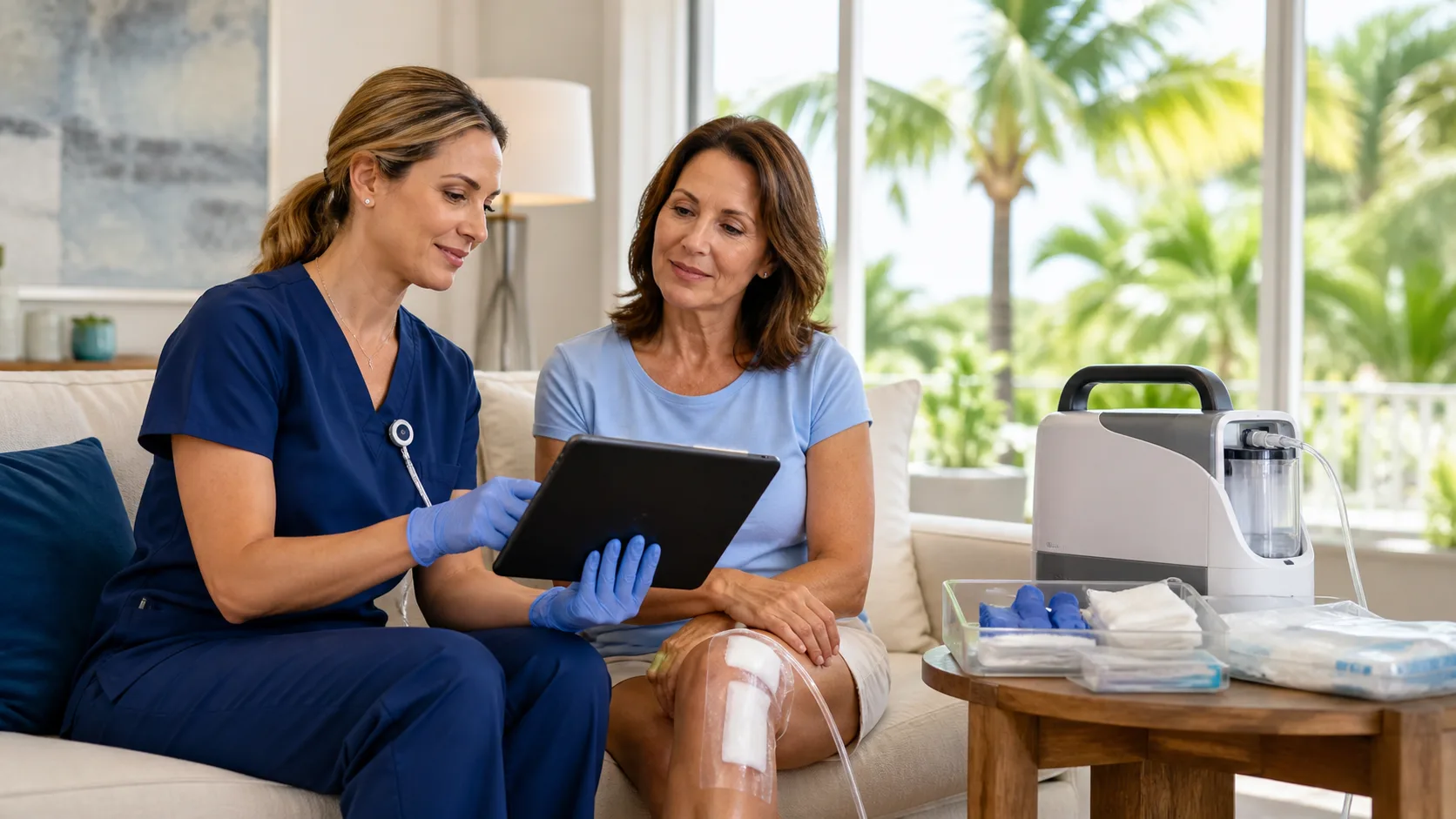
Wound vac therapy, also called negative pressure wound therapy, uses gentle suction to help a wound close. A soft dressing covers the wound, a small pump creates suction, and a tube moves fluid away into a canister. This kind of care is being used more often for people with complex or chronic wounds, which are common in Florida’s aging population.
The big question is simple: is wound vac therapy in Florida homes worth the cost compared with staying in a skilled nursing facility or going back to the hospital again and again? For many patients, the answer depends on how well the wound heals and how much time, travel, and stress the care plan creates.
Our team works in a physician-led mobile model. That means we bring hospital-grade wound care into homes and facilities across several states, including Florida. This approach can change both the money side and the healing side for:
- Patients with long-lasting wounds
- Families trying to balance work, caregiving, and travel
- Assisted living and long-term care communities
In Florida, late summer and fall can make travel tough. Hurricane season, heavy rain, and heat can turn a simple wound visit into an all-day event. When advanced wound care comes to the home, patients can avoid many of these travel problems while still getting high-level treatment.
What Wound Vac Therapy Does for Healing Outcomes
Negative pressure wound therapy works in a pretty simple way. After the wound is cleaned and prepared, a special foam or gauze dressing is placed into the wound. A clear film is sealed over the top, and a small pump gently pulls air and fluid out.
This gentle suction can help by:
- Removing extra fluid that can slow healing
- Reducing swelling around the wound
- Helping bring the edges of the wound closer together
- Encouraging healthy tissue to grow
Wounds that often benefit from this kind of treatment include diabetic foot ulcers, pressure injuries, post-surgical wounds that are not healing well, traumatic wounds, and venous or arterial ulcers often seen in older adults.
Research supports several clinical benefits, such as faster closure times in many cases, less risk of infection, and fewer complex dressing changes. Many people also find it more comfortable than frequent wet-to-dry dressing changes that pull at the skin.
These healing benefits matter on the financial side too. When a wound heals in a shorter timeline, there can be:
- Fewer hospital readmissions
- Less time needing daily or very frequent nursing visits
- Lower risk of serious complications that lead to surgery or longer care
So wound vac therapy is not just a medical decision. It can also be part of a plan to reduce the long-term burden of care.
Counting the True Costs of Wound Vac Therapy in Florida
When people think about cost, they often picture only the device itself. But the true cost of wound vac therapy in Florida has a few layers.
Direct costs may include:
- The wound vac device rental or purchase
- Canisters and dressings that match the device
- Professional fees for applying, changing, and monitoring the therapy
There are also hidden or indirect costs to consider with any wound care plan. For Florida patients, that might look like:
- Time and money spent traveling to wound clinics or hospitals
- Missed work time for family caregivers who provide transportation
- Hospital or ER copays during setbacks or infections
- Extra stress and risk when traveling during stormy weather or extreme heat
When you compare traditional care with wound vac therapy, it helps to think about:
- How often dressings must be changed
- How much nursing time is needed each week
- How many supplies get used over the whole healing period
- How likely the wound is to have setbacks that send the patient back to the ER
Insurance and Medicare do cover negative pressure wound therapy in many cases, but they usually have clear criteria and documentation rules. A physician-led mobile service can help by:
- Carefully checking if the wound type and size meet coverage rules
- Making sure documentation is complete and clear
- Adjusting the plan if the wound improves or if another approach makes more sense
This extra attention can help patients receive appropriate treatment without unnecessary denials.
Financial Benefits of at-Home Wound Vac in the Sunshine State
When wound vac therapy is delivered in the home, many expensive events can be avoided. Patients may have fewer trips to the ER for wound problems, fewer unplanned hospital stays, and less chance of needing a long stay in a skilled nursing facility just for wound care.
For assisted living and long-term care communities, on-site wound vac support can help reduce:
- Ambulance or medical transport costs
- Staff time spent arranging and tracking outside appointments
- Interruptions to the resident’s daily routine
There is also quality-of-life value that does not show up on a bill. At-home care can mean:
- Less travel during busy storm periods in Florida
- More time in familiar surroundings
- Fewer disruptions to sleep, meals, and medications
- Less stress for family members trying to coordinate rides and time off work
Coordinated care is a big part of keeping both costs and complications down. When wound specialists work closely with primary care, podiatry, surgery, and home health teams, it helps keep everyone on the same page. Orders can be streamlined, repeated services can be avoided, and potential issues can be caught early.
Why a Mobile, Physician-led Team Maximizes Value
A physician-led model brings a higher level of evaluation right to the bedside. Instead of a one-size-fits-all plan, the wound is checked in person and the treatment can be adjusted quickly. Not every wound needs a wound vac, and part of good care is choosing when it is the right tool and when another option may be more cost-effective.
With a mobile team, hospital-grade protocols, documentation, and infection control practices are brought into homes and facilities across Florida. That can support safer care and better alignment with payer requirements.
Regular monitoring visits help keep small problems from turning into expensive setbacks. During these visits, the team can:
- Check the seal and suction of the device
- Protect the skin around the wound
- Review progress and adjust the plan if needed
Good communication with facility staff and family caregivers is also key. Education on things like alarms, tubing, and safe movement lets the patient stay as active as their condition allows while using wound vac therapy in Florida. When everyone understands the basics of the device, the care plan runs more smoothly and the value of the therapy is easier to see over time.
Take Control Of Your Wound Healing Today
If you are ready for more advanced and attentive care, our team at Niva Health Wound Care is here to help you explore how wound vac therapy in Florida can support better healing outcomes. We will review your condition, answer your questions, and recommend a personalized treatment plan that fits your needs. To schedule an appointment or request more information, simply contact us and we will follow up promptly.