Spotting Infected Wounds Before They Get Serious
Infected wounds can change fast, especially for older adults, people with diabetes, and those healing in assisted living or at home. A small sore on the heel or a tiny crack between the toes may not look scary at first, but infection can build under the surface. When families in Florida know what to watch for, they can act sooner and help their loved one heal more safely.
Many early signs of infection are easy to miss in day-to-day life. Common red flags include:
- Redness that keeps spreading around the wound
- Skin that feels warm or hot to the touch
- Swelling or puffiness that is new or getting worse
- New or stronger odor from the wound
You might also see more drainage, thicker or discolored fluid, or hear your loved one complain about new pain. Fever, chills, or feeling “off” can be signs too. In seniors, confusion, sleepiness, or a sudden change in behavior can point to infection even before a high fever shows up. When families notice these changes and get physician-led care quickly, it can help prevent hospital stays, amputations, and very long healing times.
Why Florida’s Climate Puts Wounds at Higher Risk
Florida living means heat, humidity, and a lot of outdoor time. That same warm, sticky air that is great for pool days is not so great for open skin. Moisture makes it harder for wounds to stay clean and dry, which can raise the risk of infection.
Here are a few ways our climate can make wounds harder to manage:
- Sweat collects under bandages and dressings
- Skin stays damp in skin folds and under medical devices
- It is harder to keep feet and heels dry in warm, humid weather
- Short afternoon showers and storms can soak clothing and dressings
Outdoor activities add another layer of risk. Small cuts from yard work, trimming hedges, cleaning up after a storm, or even bumping a shin on the pool deck can turn into bigger problems if they are not cleaned well and watched closely. During hurricane season, families are also busy with home prep and cleanup, and tiny injuries may be easy to ignore until they start to hurt or smell.
To protect healing skin in this climate, it helps if families:
- Keep the wound area clean as directed by a medical professional
- Use breathable dressings that do not trap too much sweat or moisture
- Watch dressings often and change them when they get damp
- Ask for professional help if it is hard to keep a wound dry in the summer months
Consistent hygiene and regular checks are especially helpful around June and the rainy, stormy parts of the year, when heat and humidity are at their worst.
When a Wound Infection Becomes an Emergency
Some wounds can be watched and treated at home with a medical team coming to the bedside. Others are too dangerous to wait on and need urgent or emergency care. Knowing the difference can help keep your loved one safer.
Signs that usually mean it is time for urgent or emergency help include:
- Redness spreading quickly or forming red streaks going up the arm or leg
- Sudden strong pain or pressure that seems out of proportion to the size of the wound
- Thick green, yellow, or brown pus, especially with a foul odor
- Fever, chills, shaking, or a very rapid heartbeat
- Black, blue, or gray patches of skin around the wound
If your loved one seems very confused, weak, short of breath, or cannot stay awake, that can be a sign that infection may be affecting the whole body. In these situations, families should not wait for a home visit. The ER or hospital is the safer choice.
On the other hand, some wounds are stable but still very concerning. These may be better suited for mobile infected wound treatment in Florida, where a medical team comes to the home or facility. Examples include wounds that:
- Are not healing as expected
- Have mild to moderate redness or drainage
- Keep breaking open or getting irritated
- Are causing pain or making it hard to move around
People who are at higher risk should be treated quickly and should not take a “wait and see” approach. This includes those with diabetes, poor circulation, recent surgery, kidney or heart problems, cancer treatment, or conditions that weaken the immune system. Residents in skilled nursing, assisted living, rehab, and long-term care facilities also need fast, careful attention if infection is suspected.
What Modern Infected Wound Treatment Looks Like at Home
Many families are surprised to learn how much can be done for wound infections right at the bedside. Modern mobile wound care brings physician-led, hospital-grade treatment to where the patient lives or recovers, whether that is at home or in a care facility.
A typical visit may include:
- A full look at the wound, including measurements and photos
- Checking circulation and the health of the skin around the area
- Reviewing medical history, medications, and any recent changes in health
- Talking with the family or facility staff about daily care and support
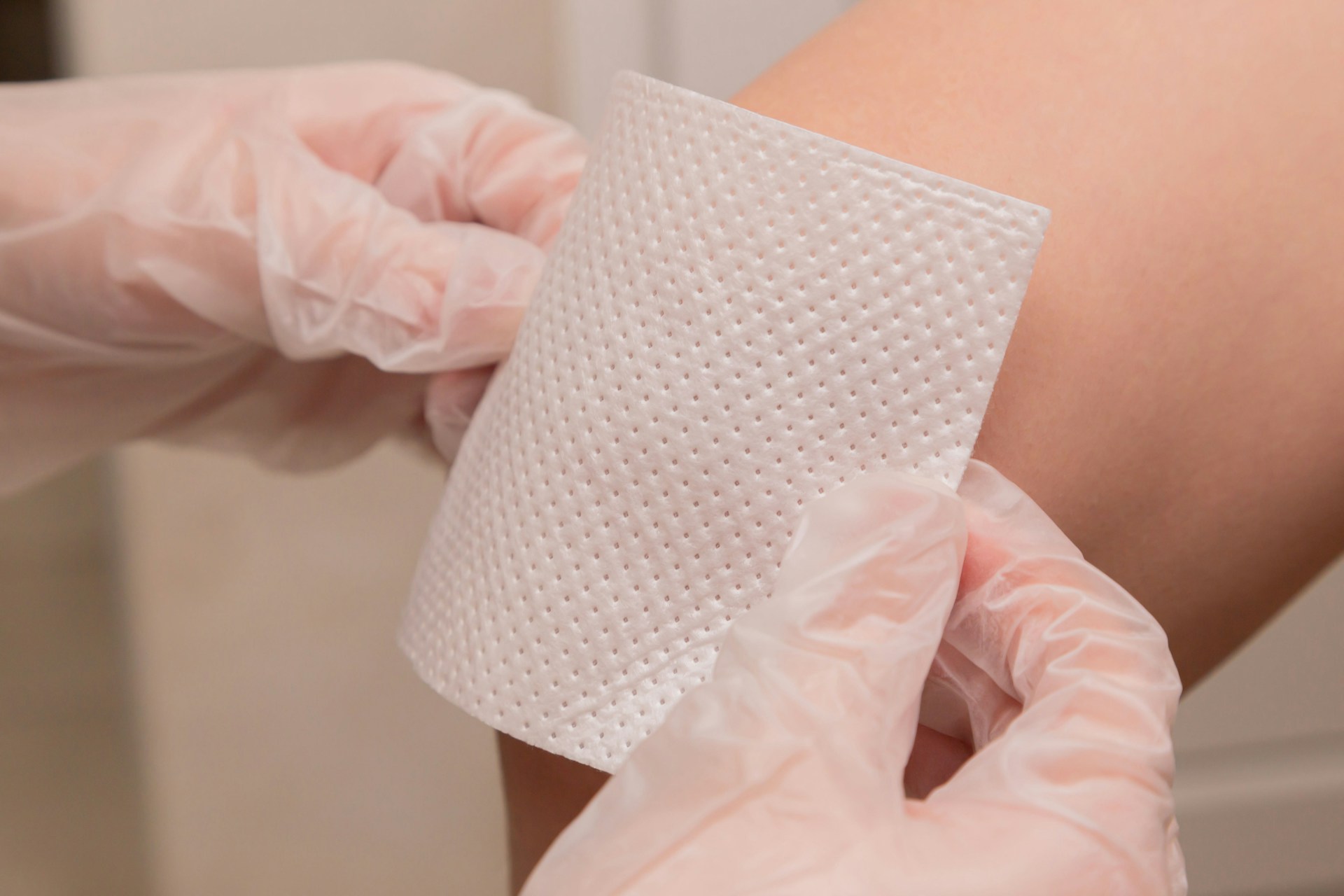
Treatment often includes careful cleaning of the wound, choosing the right type of dressing, and managing the infection. Sometimes dead or infected tissue needs to be gently removed, a process called debridement, to help healthy tissue grow. The care team may also adjust how weight or pressure is placed on the area, for example using special cushions or footwear to protect a heel or foot.
When needed, the mobile team can help arrange lab tests, cultures, or imaging to better understand what is going on under the skin. The goal is to bring the level of care you would expect in a hospital to the bedside, while keeping your loved one in a familiar, comfortable place and often lowering the chance of a hospital stay.
How NIVA Health Supports Families Across Florida
At NIVA Health Mobile Wound Care, we focus on bringing physician-led wound treatment directly to patients where they are. We care for people in home settings, assisted living, skilled nursing, long-term care, and rehab facilities across Florida. Our team is used to seeing complex, hard-to-heal wounds and helping families handle infection risk.
We commonly treat:
- Pressure injuries on heels, hips, tailbones, and other bony areas
- Diabetic foot ulcers and toe wounds
- Post-surgical wounds that are slow to heal
- Traumatic wounds from falls, bumps, or other injuries
- Venous ulcers and other circulation-related wounds
Families often tell us that having regular physician oversight brings peace of mind. Our team works closely with facility staff and primary care providers so everyone is on the same page about the care plan. When infections are managed early and watched closely, it can often mean fewer last-minute trips to the hospital and smoother healing.
Scheduling is designed to be simple for families and care teams. A visit can be requested by a family member, case manager, or facility staff. It usually helps to have basic information ready, such as the person’s medical conditions, current medications, when the wound first appeared, and any changes you have seen. Ongoing follow-up visits allow us to track healing over time, update treatment as needed, and step in quickly if new signs of infection appear.
Take Action Now to Protect Your Loved One’s Healing
Catching problems early starts with a simple habit: looking at the skin. Families can help a great deal by checking areas that often get missed, such as:
- Feet and between the toes
- Heels and ankles
- Tailbone and lower back
- Under medical devices, braces, or dressings
If you see new redness, drainage, odor, pain, or any change that worries you, do not wait. A basic plan can help you stay organized: contact the primary provider or a wound care team, write down what you noticed and when it started, and take clear photos of the wound so the medical team can compare over time. Keeping a current list of medications and medical conditions in one place also makes it easier for the wound care team to make safe choices about treatment.
At NIVA Health Wound Care, we believe that fast, careful attention to infected wounds at the bedside can protect comfort, independence, and quality of life for Florida families. Timely action, clear communication, and steady follow-up all work together to support better healing and help reduce the chances of an infection sending your loved one back to the hospital.
Get Expert Care For Infected Wounds Before Complications Grow
When a wound is not healing or showing signs of infection, timely, specialized care can protect your health and comfort. At Niva Health Wound Care, we provide comprehensive infected wound treatment in Florida tailored to your specific condition and medical history. Our team will evaluate your wound, explain your options clearly, and create a focused plan to support healing. To schedule an appointment or ask questions, please contact us today.