
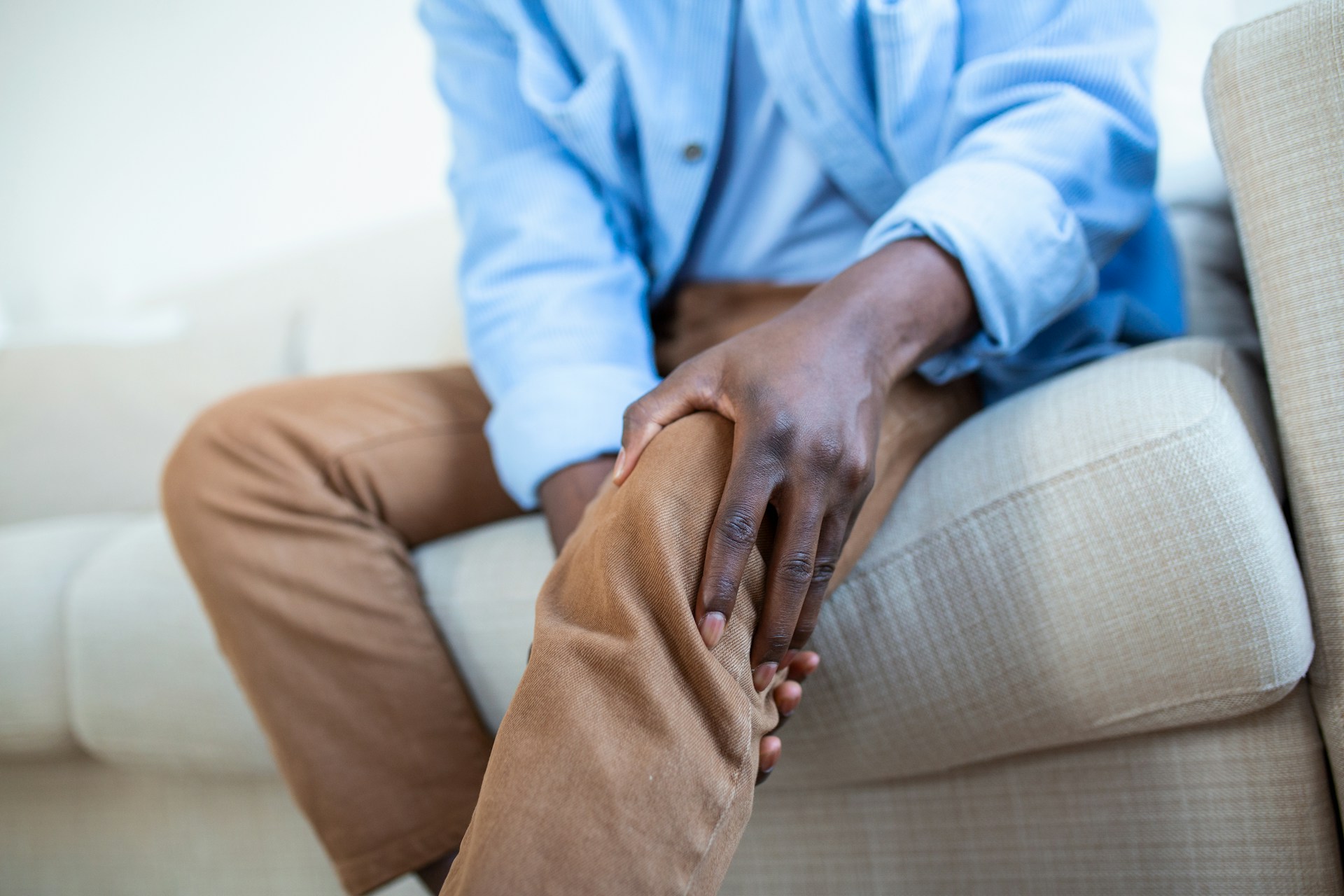
How Ongoing Swelling Sabotages Leg Ulcer Healing
Leg ulcers are open sores on the lower leg or ankle that do not heal the way a normal cut would. They often start from a small injury or area of fragile skin, then linger for weeks or months. Once they appear, they can be very hard to heal because circulation in the area is already poor and the skin has been weakened over time.
Chronic swelling, also called edema, makes this problem worse. When fluid builds up in the leg tissues, it increases pressure inside the skin and the spaces around blood vessels. That pressure makes it harder for oxygen and nutrients to reach the skin, and harder for waste products to drain away. The result is slow healing, more pain, and a higher risk of infection.
This is the key idea: if swelling is not controlled, even excellent wound care can fall short. Ulcers may finally close, only to split open again the next time swelling flares up. At NIVA Health Wound Care, we bring physician-led, hospital-grade treatment directly to patients in post-acute and facility-based settings, but long-term success almost always depends on getting swelling under control and keeping it there.
Why Leg Ulcers Return: The Role of Venous Disease and Lymphedema
For many people with leg ulcers, the main driver of swelling is chronic venous insufficiency. The veins in the legs are supposed to move blood back up to the heart. When the valves in those veins weaken or fail, blood pools in the lower legs. Pressure inside the veins rises, the vessel walls stretch, and fluid leaks out into the surrounding tissues, creating ongoing swelling.
Lymphedema can add another layer of trouble. The lymphatic system is the body’s drainage network for extra fluid. If it is damaged by surgery, infection, trauma, or long-standing vein problems, fluid does not clear properly. Legs can feel heavy, tight, or achy, and the skin can become thick and less flexible. Obesity, limited mobility, and previous leg injuries all increase the likelihood that this swelling will be persistent and hard to manage.
Once the skin has been damaged by a leg ulcer, the area never returns to its original strength. Scarred tissue is thinner and more fragile, so it is more likely to break down again when swelling stretches the skin or when a minor bump occurs. If we only treat the open wound with dressings, creams, or medications, and ignore the underlying swelling, we are almost guaranteeing that new ulcers will keep forming in the same area.
That is why a complete leg ulcer plan has to look past the surface of the skin. Treating the wound is essential, but treating the pressure and fluid underneath the skin is just as important if we want healing to last.
How Compression Controls Swelling and Protects Healing Skin
Compression therapy is a non-surgical treatment that applies gentle, graduated pressure to the legs to improve blood circulation and reduce swelling. The pressure is usually strongest at the ankle and gradually lessens higher up the leg. This gradient helps push blood and fluid back toward the heart instead of letting it stagnate in the lower leg.
By improving venous return, compression reduces pooling in weak veins and decreases leakage of fluid into the tissues. It also gives some external support to stretched or weakened vein walls. All of this lowers the internal pressure that can open up old ulcers or create new ones, and it helps protect areas of skin that have recently healed.
Common compression options include:
- Compression stockings in different strengths and lengths
- Multilayer compression bandages applied by trained clinicians
- Pneumatic compression devices that gently inflate and deflate around the leg
A physician or wound care specialist decides which option is best based on the person’s circulation, skin condition, and ability to put on and remove the garments. Compression therapy in Michigan is commonly recommended at medical clinics, vein centers, and physical therapy practices for conditions like varicose veins, chronic venous insufficiency, and lymphedema. When it is paired with good skin care and regular follow-up, it can be a powerful tool for keeping ulcers closed.
What to Expect From Compression Therapy in Michigan
If you or someone you care for is being evaluated for compression therapy in Michigan, the process usually starts with a careful assessment. The clinician will review medical history, including heart disease, diabetes, prior blood clots, and any past leg ulcers. They will look closely at the legs, measure their size, and check circulation, often by feeling pulses or using a simple handheld device.
From there, the care team decides on the right level of compression, type of device, and daily schedule. They consider how active the person is, whether the skin is fragile or thickened, and how easy it will be to apply and remove the garment safely. Higher levels of compression are not always better. The goal is to choose something effective that the person can actually use every day.
People often have understandable concerns, such as:
- Will the garments be too tight or painful?
- How do I put them on and take them off without hurting my skin or back?
- Will insurance help with the cost of stockings or devices?
- How long do I have to wear compression for it to work?
Education and practice help a lot. Many patients benefit from donning aids, caregiver support, and written instructions. For patients in post-acute or facility-based settings, mobile wound care services like ours frequently work with on-site nurses and therapists to coordinate or reinforce compression plans right at the bedside, so therapy becomes part of the daily routine instead of an occasional add-on.
Partnering Compression with Advanced Mobile Wound Care
At NIVA Health Wound Care, we are a physician-led mobile wound care service that brings advanced, hospital-grade treatments directly to patients where they live or recover. This can include careful wound cleaning, removal of non-healing tissue, advanced dressings, and close monitoring for infection. Our role is to address the wound itself and support the body’s natural repair process.
However, we see again and again that wound treatment alone is rarely enough for chronic leg ulcers. When we pair expert wound care with consistent compression therapy in Michigan, we often help patients finally break the cycle of ulcers reopening. Compression supports our work between visits by keeping swelling down and protecting the fragile skin that is trying to rebuild.
Regular follow-up is important. As swelling improves or the wound changes, compression needs can change too. We work closely with physicians, nurses, therapists, and facility staff to:
- Adjust compression levels and materials as healing progresses
- Watch for early redness, itching, or drainage that might signal a new ulcer
- Protect bony areas or scarred skin with padding and appropriate dressings
- Reinforce daily habits that keep legs as healthy as possible
This kind of teamwork helps maintain consistent compression, which is often the difference between a wound that heals temporarily and one that stays healed.
Taking Control of Swelling to Stop Ulcers From Coming Back
The main message is simple: leg ulcers tend to return when the underlying swelling is ignored, even if the skin looks closed for a while. Venous disease, lymphedema, and other causes of chronic edema keep pressure high inside the leg tissues, and that pressure quietly undermines all the good work of wound dressings and medications.
For patients, families, and facility caregivers, it can help to think of compression not as an optional extra, but as an essential part of long-term leg health. Just as someone might take blood pressure medicine every day, many people with a history of leg ulcers need ongoing compression to keep circulation moving and protect fragile skin.
Talking openly with your healthcare team about compression options, comfort concerns, and daily routines is an important step. If ulcers keep coming back, that is a sign that swelling and underlying circulation issues may need more attention, alongside advanced wound care support from specialized teams like ours at NIVA Health Wound Care. Together, we can focus not only on closing current wounds, but on keeping legs as healthy and stable as possible over the long term.
Regain Comfort and Confidence With Personalized Compression Care
If you are living with chronic swelling or a nonhealing wound, our team at Niva Health Wound Care is ready to help you explore how compression therapy in Michigan can support your recovery. We take the time to understand your health history and goals so your treatment plan is tailored to you. To schedule an appointment or ask questions about your options, please contact us today.