
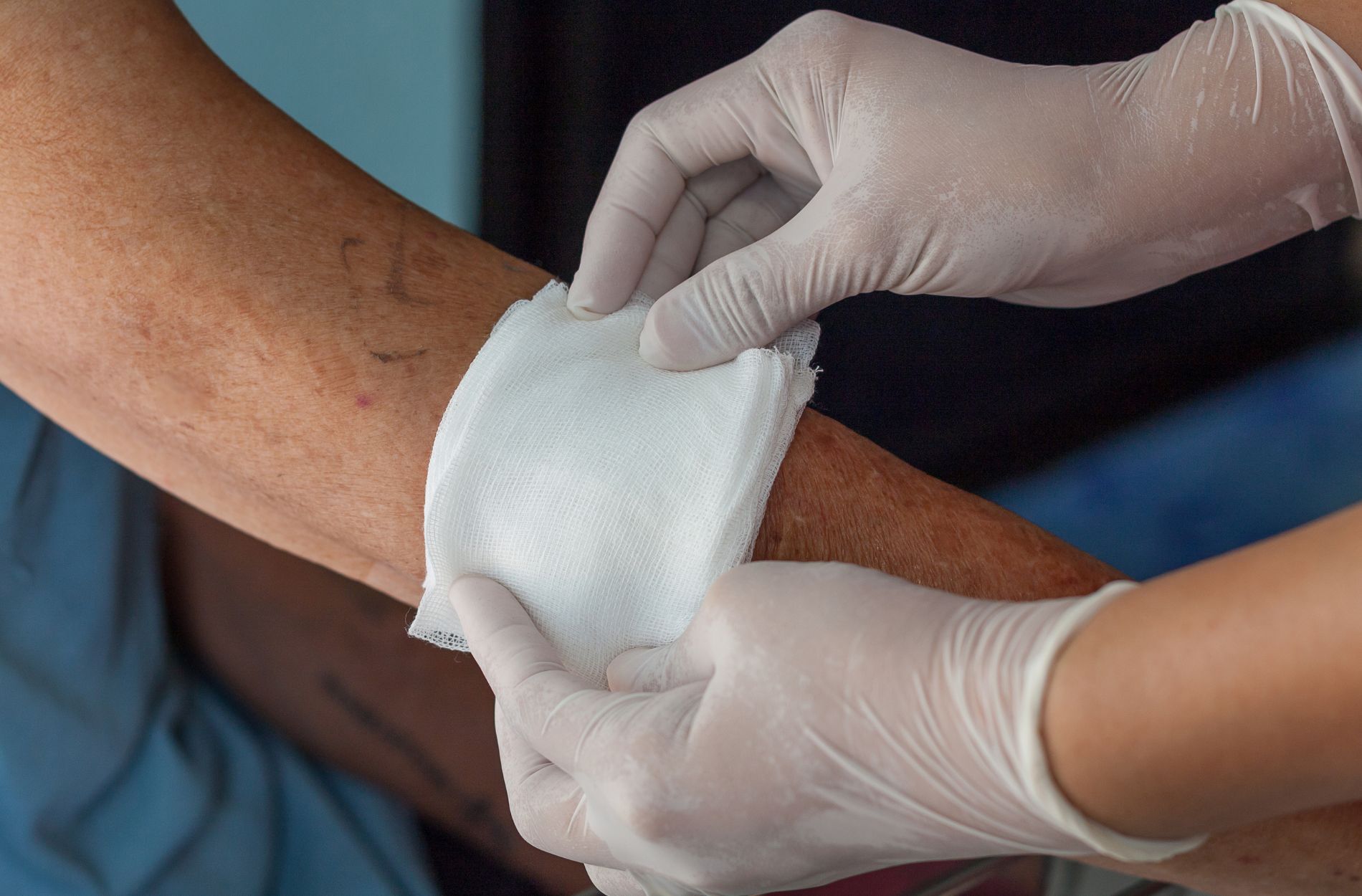
Nursing home wound care in Florida can be hard even on a good day. When a resident’s pressure injury or diabetic ulcer does not get the right eyes on it in time, things can go very wrong, very fast. Families want to trust that wounds are watched closely, and leaders want to avoid preventable transfers and stress for everyone involved.
We see a common gap across many facilities. Nursing staff works hard, but they often do not have a physician at the bedside looking at complex wounds on a regular basis. That missing piece can lead to missed warning signs, slower healing, and more trips back to the hospital. In this article, we talk about what gets missed without a physician, why Florida facilities face special risks, and how mobile advanced wound care can close those gaps.
When Wound Care Lacks a Physician, Residents Pay the Price
In many Florida nursing homes, a resident might start with a small red area on the tailbone or heel. Staff may follow standard wound orders, change dressings, and chart every shift. But if that area deepens or starts to smell, a physician may not see it right away. By the time a provider lays eyes on the wound, the resident could already be dealing with a serious infection.
Routine nursing protocols are important, but complex wounds are different. These include:
- Pressure injuries
- Diabetic foot ulcers
- Vascular ulcers
- Post-surgical wounds
These wounds often need a higher level of clinical judgment. Questions come up that only a physician can answer, such as whether deeper tissue is involved, if debridement is needed, or if antibiotics should change.
Many nursing homes rely heavily on nursing staff and occasional consultants. What is often missing is steady, physician-led wound care right at the bedside. Without it, small problems can quietly grow into big ones that affect the whole facility.
Why Complex Wounds in Nursing Homes Are so High-Risk
Florida facilities carry special risks. The resident mix tends to include many older adults, people with diabetes, and people with circulation problems. Many residents have limited mobility and go back and forth between the hospital, skilled nursing, and home health. Each move is another chance for a wound care plan to get lost or delayed.
On top of that, our warm, humid climate and storm season bring extra strain. Around late summer, facilities may deal with:
- Dehydration and poor oral intake
- Staff disruptions from storms and evacuations
- Power issues that affect support surfaces and equipment
Not every wound is complex. A simple skin tear on an otherwise healthy resident is very different from a heel ulcer on someone with diabetes, kidney disease, and heart failure. Complex wounds often come with:
- Poor circulation
- High infection risk
- Multiple medical problems
- Many medications that affect healing
In these residents, even a short delay or a missed change in wound appearance can turn a shallow ulcer into a deep tissue injury, infection, or sepsis. Frail adults may not complain of pain. The wound quietly worsens until it triggers a crisis.
Clinical Blind Spots When Wound Care Lacks a Physician
Nurses are often the first to spot trouble and raise concerns. But there are limits to what they can do without direct physician support at the bedside. Some common blind spots include:
- Hidden bone infection below a chronic ulcer
- Poor blood flow that keeps a wound from healing
- Atypical wounds that do not match standard patterns
- Early systemic infection that has not fully declared itself
Standing orders and generic wound protocols are helpful starting points. Still, they cannot fully replace an individualized plan that considers lab results, imaging, medication lists, and overall goals of care.
Subtle changes can be easy to miss or easy to brush aside, such as:
- Mild confusion in a resident who is usually alert
- A low-grade fever
- Slight changes in blood sugar or blood pressure
These can be early signs that a wound is causing problems in the whole body. A physician who regularly sees the resident in person can connect these dots and act quickly.
With mobile advanced wound care, a physician comes to the bedside. That allows real-time decisions about:
- When and how to perform debridement
- Whether to start or adjust antibiotics
- When to use or change compression therapy
- When to escalate care or adjust goals of care
This kind of hands-on support shortens the time between concern and action.
Hidden Costs of Physician Gaps in Florida Nursing Home Wound Care
When complex wounds spin out of control, the true cost goes far beyond dressings and ointments. Facilities feel it in many ways, including:
- Avoidable hospitalizations and ER transfers for wound complications
- Transport stress on frail residents and worried families
- Medicare penalties tied to readmissions in some care settings
Wound outcomes also affect public quality metrics. Higher rates of pressure injuries or infections can pull down star ratings. That can affect how families see the facility and how hospitals view referral partnerships.
Florida surveyors pay close attention to pressure injuries, care plans, and documentation. If physicians are late to the bedside or missing from the chart, survey teams may question whether care was timely and appropriate. That can lead to citations or plans of correction.
There is also a quiet, daily cost. Wounds that do not heal keep residents in higher-acuity beds longer, increase use of dressings and supplies, and add to staff workload. During periods when census tends to climb, like late summer and early fall, lingering wounds can push staffing and morale to the breaking point.
Faster Healing and Fewer Transfers with Physician-led Mobile Care
Physician-led, mobile advanced wound care brings the specialist to the resident instead of sending the resident out. In practice, that looks like:
- Regular bedside rounding in the facility
- Direct, face-to-face collaboration with nurses
- Quick changes to orders and care plans when wounds change
With this model, we often see more timely decisions on treatment options, better pain control, and stronger infection management. When wounds are treated early and appropriately, there is a lower chance that problems will grow into emergencies requiring hospital transfer.
Florida facilities can benefit in several ways:
- Added support for medical directors with large panels
- Access to wound care expertise in smaller or rural markets
- More consistent care when residents move between levels of care
For residents and families, physician-led mobile care means more proactive attention, fewer disruptive trips out of the building, and clearer conversations about what is realistic for complex or chronic wounds.
How Niva Health Wound Care Elevates Onsite Wound Management
Niva Health Wound Care provides physician-led, mobile advanced wound care right inside Florida nursing facilities. Our focus is to help complex wounds heal faster while helping to reduce hospitalizations tied to wound problems.
Our core services include:
- Comprehensive bedside wound assessment
- Advanced treatment options, including debridement when appropriate
- Thoughtful dressing choices and therapy plans
- Infection management and close follow-up
- Individualized care plans based on the whole resident, not just the wound
We work with the teams already in place, including directors of nursing, MDS staff, therapy teams, and primary physicians. Our goal is to support, not replace, the great work they do. By tightening documentation, clarifying wound staging and treatment plans, and making sure physician decisions are clearly recorded, we help facilities feel more ready for survey review.
With physician-led oversight, facilities can see fewer wound-related transfers, smoother value-based care efforts, and better wound outcomes overall. Residents and families gain more peace of mind knowing that a physician is directly involved in their wound care at the bedside.
Strengthen Wound Care Outcomes For Your Residents
At Niva Health Wound Care, we partner with facilities to bring specialized bedside treatment, consistent oversight, and clear communication to your care team. If your facility is looking for dependable nursing home wound care in Florida, we can help you reduce complications and support better healing for your residents. Reach out to contact us so we can discuss a customized wound care program that fits your staffing, workflow, and quality goals.