Why Compression Therapy Matters for Florida Legs
Compression therapy means gently squeezing the legs with special socks, wraps, or devices to help blood move back toward the heart. When it is done the right way, this steady pressure supports healthy blood flow and helps control swelling. It is often used for people with vein disease, diabetes, circulation problems, or chronic wounds on the lower legs and feet.
Living in Florida brings some extra challenges for leg health. The heat, humidity, and long days on our feet can make legs feel heavy, sore, and puffy. Many people stay active outside most of the year, so any small vein or skin problem can grow into something bigger if it is ignored. That is where smart, safe compression therapy in Florida can make a long-term difference.
In this article, we explain how compression supports your legs over time, how Florida’s weather changes what your legs need, and why professional guidance is so important, especially if you already have wounds or ulcers. Our goal is to help you protect your legs now, so you can keep moving comfortably in the years ahead.
How Compression Therapy Protects Your Legs Over Time
When compression stockings or wraps fit properly, they are tighter near the ankle and a bit looser as they move up the leg. This helps your veins push blood upward instead of letting it sit and pool in the lower legs. Less pooling means less pressure on delicate skin and soft tissue.
Inside the leg, good compression can help:
- Improve venous return, so blood can move back toward the heart
- Reduce fluid buildup in the tissues, which lowers swelling
- Support weak or stretched veins that are struggling
- Protect skin that is already at risk of breaking down
Over time, sticking with a compression routine can support long-term leg health. Many people find that they have:
- Lower risk of venous leg ulcers
- Fewer flare-ups of painful varicose veins
- Better control of lymphedema or chronic swelling
- More comfort when standing or walking during the day
Some groups benefit even more from consistent compression, including:
- Older adults with weaker veins or a history of swelling
- People with diabetes who need to protect their skin and circulation
- Those with peripheral vascular disease who need careful support
- Patients who have had leg wounds, ulcers, or past infections
For these patients, compression is not just about comfort today; it is part of protecting the legs for the long run.
Florida Climate Challenges and Smart Compression Use
Florida heat and humidity can make leg swelling worse. When it is hot, blood vessels open up and more fluid can leak into the tissues. This can be a big problem if you already have vein disease, lymphedema, or slow-healing wounds. Swelling often peaks later in the day, especially in late summer when people are outside more.
Using compression therapy in Florida means paying extra attention to how your legs feel in the heat. A few helpful habits include:
- Staying hydrated so your body can keep fluids balanced
- Taking cooling breaks indoors with your legs up
- Pairing compression with light, breathable clothing
- Checking your skin often for redness, blisters, or rubbing
Warm weather can make compression feel uncomfortable at times. People often report itching, sweating, or feeling too warm under the material. To make things easier, you can:
- Ask your clinician about lighter, moisture-wicking fabric options
- Put on compression in the cooler morning hours
- Avoid heavy lotions under stockings that can trap heat
- Gently clean and dry your skin each day before wearing compression
The goal is to get the health benefits of compression without causing new skin problems. That balance is especially important in a hot, humid state like Florida.
Compression Therapy in Florida for Wound and Ulcer Care
For venous leg ulcers and many chronic lower-leg wounds, compression is often a central part of treatment. Swelling puts pressure on tiny blood vessels and makes it harder for oxygen-rich blood to reach the wound. When swelling goes down, blood flow improves and the body is better able to repair damaged tissue.
There are different types of compression that may be used in wound and ulcer care, such as:
- Prescription-grade compression wraps that a clinician places and changes
- Special stockings with stronger pressure than standard store-bought pairs
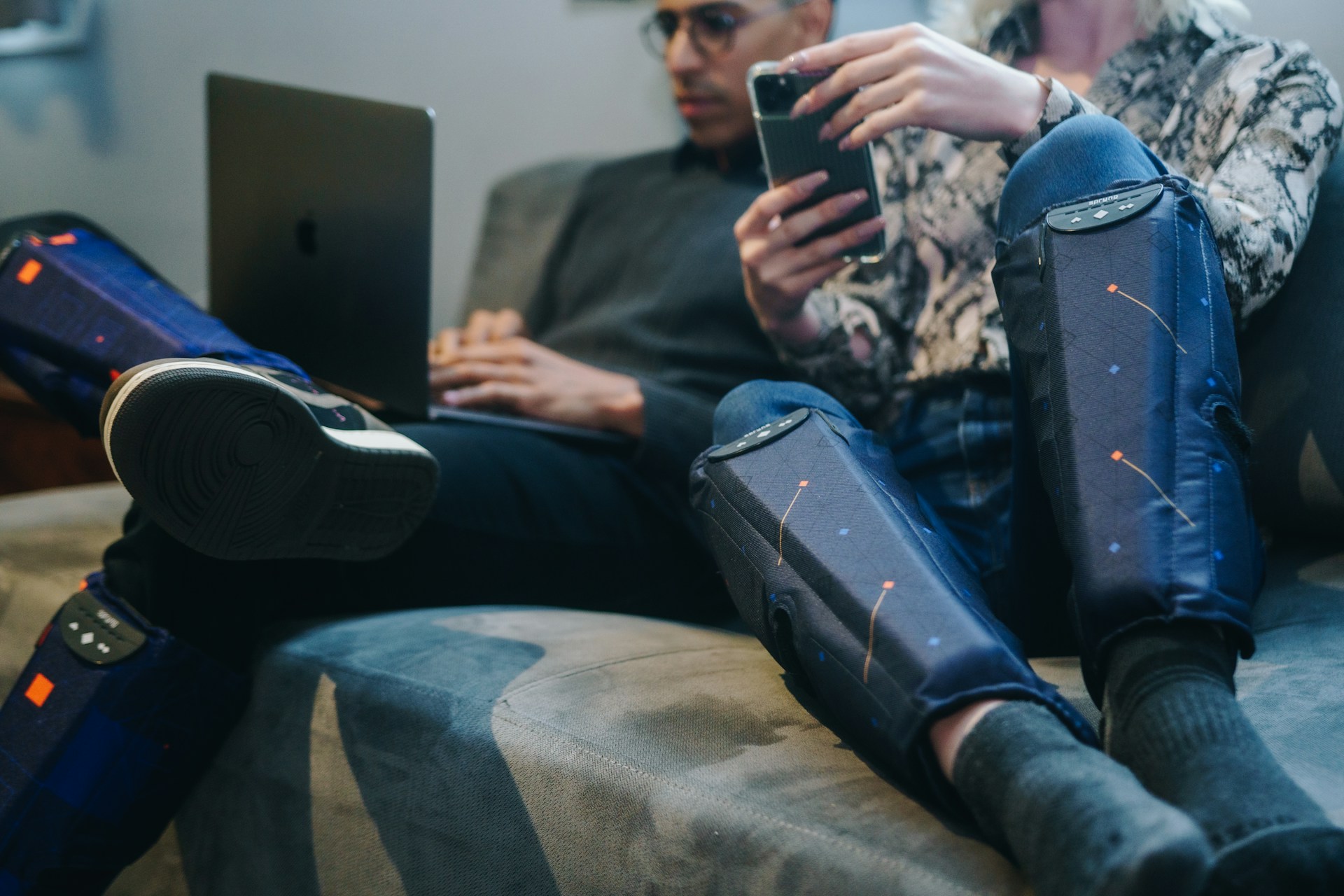
- Compression devices or boots that may be used under medical supervision
Over-the-counter options might feel similar, but they are not right for everyone, especially if you have an open wound, poor circulation, or nerve problems. Strong compression can cause harm if it is the wrong level, the wrong size, or placed on a leg that does not have enough blood flow.
That is why clinical guidance is so important. A mobile, physician-led team can bring hospital-grade compression and advanced wound treatments right to the bedside in facilities like nursing homes or rehabilitation centers. This approach helps patients receive consistent care without extra trips, and it supports better control of swelling and wound care in the setting where they live.
Getting the Right Compression Fit and Daily Routine
Compression therapy works best when it is carefully matched to your legs and your medical history. A professional assessment can help answer questions like:
- What level of pressure is safe for your circulation?
- Do you need knee-high, thigh-high, or a different style?
- What size and material will fit securely without cutting into the skin?
When you have the right fit, it is easier to build a daily routine. Common habits that support leg health with compression include:
- Putting compression on in the morning before swelling starts
- Wearing it during the day, especially when sitting or standing for long periods
- Taking it off at night or as your clinician advises
- Elevating your legs during short breaks to help fluid move out of the lower legs
It is also important to know when pressure might be too tight. Warning signs can include:
- Sudden or sharp pain under the stocking or wrap
- Toes turning very pale, blue, or very dark
- New numbness or tingling that does not go away
- Swelling that looks worse instead of better
If you notice these changes, or if you already have known circulation problems, you should not start strong compression on your own. A clinician needs to check blood flow and help choose a safe plan.
Partnering with a Mobile Wound Care Team for Stronger Legs
In Florida, many people see their leg swelling and skin problems get worse as long days, heat, and activity stack up. Chronic swelling, slow-healing wounds, and recurring leg ulcers are signs that your legs need more support, not less. Getting an early evaluation, before symptoms grow, can protect your independence and comfort.
A mobile wound care team can meet patients right where they are, including in long-term care and other facilities. With physician-led care, it is possible to check circulation, choose the safest form of compression therapy, and keep a close eye on wound progress over time. By bringing advanced care and compression support to the bedside, patients can receive steady, focused attention that fits their daily life and helps protect long-term leg health.
Take Control Of Your Healing With Proven Compression Care
If you are ready to reduce swelling, protect fragile skin, and heal more comfortably, we are here to help. Our specialists will evaluate your condition and recommend a customized plan using compression therapy in Florida that fits your daily life. At Niva Health Wound Care, we focus on safe, evidence-based treatments that support long-term wound health. To schedule an appointment or ask questions about your options, please contact us today.