How Advanced Wound Dressings Protect Florida’s Seniors
Good wound care can change a resident’s whole day. In Florida nursing homes, this matters even more, because many seniors live with diabetes, circulation problems, and fragile skin that breaks down easily. When a wound does not heal well, it can lead to pain, infection, and stressful hospital stays.
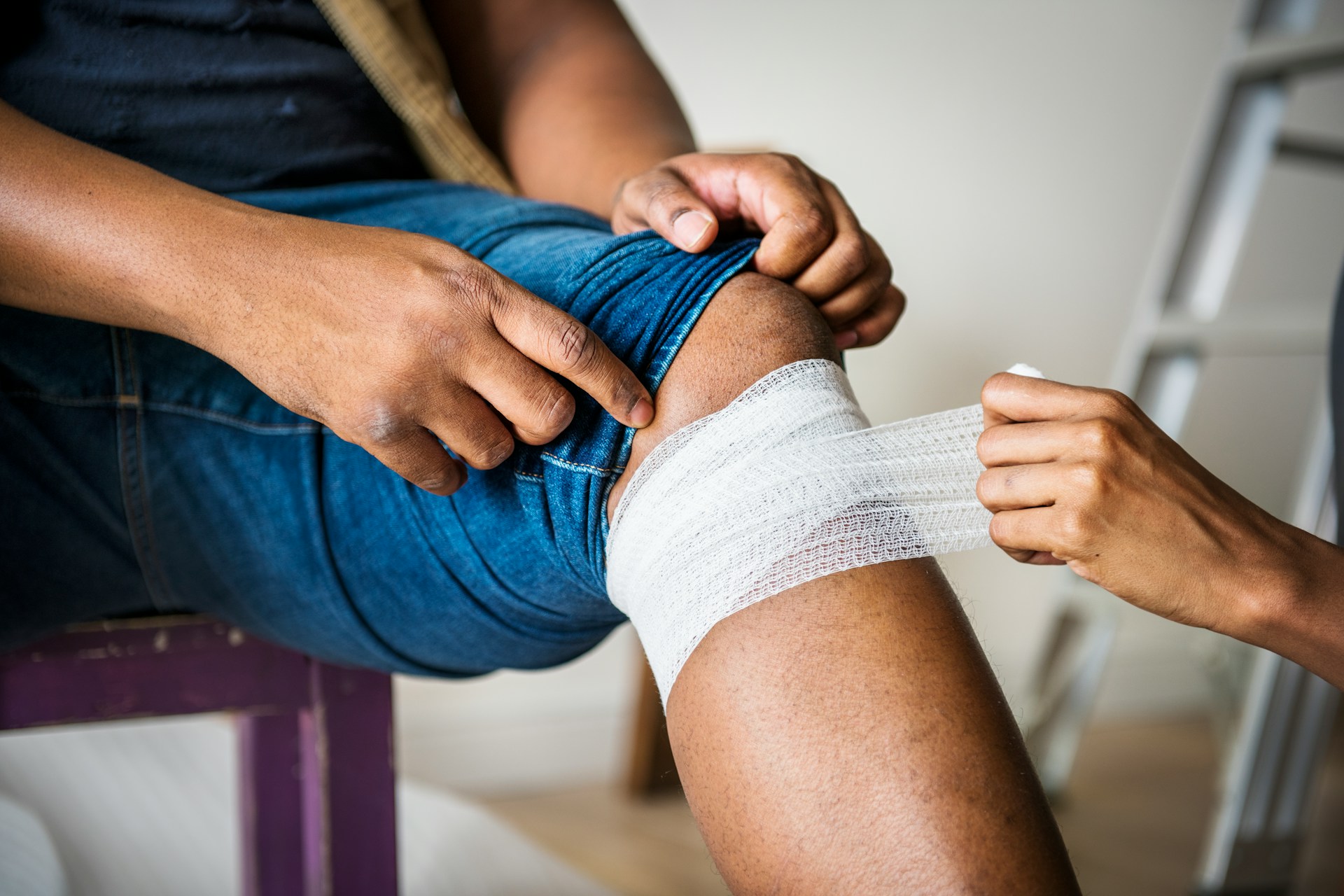
Advanced wound dressing in Florida goes far beyond a simple piece of gauze. These dressings are designed to protect the wound, manage moisture, and support the body’s natural healing process. For frail and medically complex residents, that difference can mean shorter healing times, fewer complications during the busy summer months, and better peace of mind for families and staff.
With the right dressings and the right team, nursing homes can keep more residents stable in place, instead of sending them out for repeated hospital visits. That is what we focus on every day as a mobile wound care service working in Florida and other states.
Why Nursing Home Wounds Need More Than Basic Bandages
In long-term care, wounds are common. Residents often have limited mobility, thinner skin, and multiple medical conditions. The most frequent wound types we see include:
- Pressure injuries from sitting or lying in one position
- Diabetic foot ulcers that start as small sores and can quickly worsen
- Venous leg ulcers related to circulation problems
- Surgical wounds that need close monitoring
- Skin tears from bumps, transfers, or even adhesive removal
Florida’s hot, humid climate can make all of this harder. Constant moisture from sweating can soften skin and lead to breakdown. Heat can also increase bacterial growth on skin and dressings, so a small problem can turn into an infection faster than many people expect.
Basic bandages struggle in this setting. They often:
- Need very frequent changes
- Do not manage moisture well
- Can stick to the wound and cause pain when removed
- Leave gaps where germs can enter
When dressings are not matched to the wound, we see delayed healing, more discomfort, and more transfers to the hospital or ER. That is why nursing home wounds need more than a simple bandage. They need a thoughtful plan and dressings that are designed for complex, fragile skin.
What Makes a Wound Dressing Truly Advanced
Advanced wound dressings are built to support healing, not just cover a sore spot. While each product is different, the most helpful ones share a few key goals:
- Keep the wound comfortably moist, not too wet and not too dry
- Absorb and manage drainage so it does not pool or leak
- Help protect against bacteria when needed
- Support new tissue growth and gentle closure of the skin
There are many categories of advanced dressings commonly used in nursing homes, such as:
- Foam dressings, often used for pressure injuries with moderate drainage
- Hydrocolloid dressings, which create a moist, protective gel-like layer
- Alginate or hydrofiber dressings, made to handle heavier drainage
- Collagen dressings, which can support new tissue growth
- Soft silicone contact layers, which protect fragile skin and reduce pain with changes
- Interfaces used with negative pressure wound therapy devices when appropriate
No single dressing is right for every wound. A deep, draining pressure injury needs a different plan than a shallow skin tear or a diabetic foot ulcer. When we choose dressings, we look at:
- Wound type and location
- Depth and size
- Amount and type of drainage
- Signs of possible infection
- The resident’s pain level and comfort
This kind of individualized selection is what turns “putting on a bandage” into true advanced wound care.
How Mobile Specialists Elevate Nursing Home Wound Care
A physician-led mobile wound care model brings hospital-level skills and tools right into the nursing home. Instead of sending a resident out for every concern, the specialist comes to the bedside.
In Florida facilities, our wound care visits often include:
- Detailed wound evaluations with measurements and photos
- Debridement when appropriate, to remove non-healing tissue
- Careful dressing selection and application
- Clear treatment plans and orders for the nursing team
This approach helps nursing homes in a few important ways. Staff do not lose time arranging transport and waiting on outside visits. Residents avoid long trips, which can be tiring and confusing. Care stays consistent because the same mobile team follows the wound from week to week.
We also work closely with administrators and clinical leaders to:
- Support documentation that aligns with regulations
- Offer education to staff on dressing use and monitoring
- Help create or update wound care protocols
This kind of partnership lets the facility team focus on overall resident well-being, with confidence that complex wounds are being watched very closely.
Reducing Infection and Hospitalizations During Florida Summers
Summer in Florida means more sweating, more moisture, and often more skin problems. Heat and humidity can cause dressings to loosen faster and can increase the risk of maceration, where the skin around the wound becomes too wet and breaks down.
Advanced wound dressing in Florida is chosen with this in mind. The goal is to:
- Pull extra moisture away from the wound and nearby skin
- Seal the area enough to protect from outside bacteria
- Stay comfortable and secure, even in hot conditions
For example, highly absorbent dressings may be used for heavy drainage, while soft silicone edges can help protect delicate surrounding skin from pulling or tearing. Antimicrobial dressings can be considered when infection risk is higher, especially in deep or chronic wounds.
When advanced dressings are paired with timely specialist oversight, nursing homes often see:
- Fewer urgent wound-related transfers
- Shorter hospital stays when residents do need to go out
- Better control of wound-related infection concerns in the building
During busy summer periods, that stability can make a real difference for residents, families, and staff.
Empowering Nursing Homes to Deliver Hospital-Grade Healing
Many administrators, directors of nursing, and clinical leaders want to know if their current wound program is truly supporting healing at the bedside. A good first step is to look at:
- What types of dressings are commonly stocked
- How often residents with complex wounds are sent out to the hospital
- How comfortable staff feel choosing and applying advanced dressings
- How wound assessments and progress are documented
From there, facilities can identify gaps in access to advanced wound dressings or in specialist support. Some choose to arrange a focused wound program review or an on-site assessment with a physician-led mobile team. Others start by planning staff education sessions around dressing selection, wound staging, and early signs that a wound may be changing.
At Niva Health Wound Care, we are a physician-led mobile wound care service that brings advanced, hospital-grade treatment directly into facilities and homes across multiple states, including Florida. Our goal is to help nursing homes protect residents, reduce avoidable hospitalizations, and stand out as leaders in advanced wound care for the seniors they serve.
Take The Next Step Toward Better Wound Healing
If you or a loved one is living with a hard-to-heal wound, we are here to help you access the latest options in care. At Niva Health Wound Care, our specialists use clinically proven techniques, including advanced wound dressing in Florida, tailored to your unique needs. Reach out today to discuss your wound concerns, review your treatment options, and schedule a visit. You can also contact us with any questions about getting started.