When Wounds in Nursing Homes Become High-Risk
Nursing home teams in Michigan see small skin issues every day. A tiny blister on a heel, a scrape on a shin, a red spot on the back from sitting too long. At first, it may not look like much. But for an older adult with other health problems, that small wound can change very fast. Families feel scared, staff feel pressure, and everyone worries about hospital transfers.
In older adults, wounds are more dangerous than they appear. Many residents have chronic conditions like diabetes or heart disease. Their skin is thinner, they move less, and blood flow to the legs and feet can be poor. All of this slows the body’s ability to heal. In warmer weather, when heat and humidity increase moisture on the skin, the risk of skin breakdown and infection can rise even more.
This is where specialized, physician-led wound care can make a real difference. When nursing home wound care in Michigan includes focused medical attention at the bedside, it can help wounds heal faster, lower the chance of infection, and reduce the need for stressful hospital stays. It can also give families and staff peace of mind that complex wounds are being handled with advanced skill.
Why Some Nursing Home Wounds Need a Specialist
Not every wound needs advanced care, but some types are simply harder to heal in a nursing home setting. These are the wounds that often demand a specialist’s eye and hands, such as:
- Pressure injuries on heels, sacrum, hips, and shoulders
- Diabetic foot ulcers on toes, heels, or the bottom of the foot
- Venous leg ulcers around the lower legs or ankles
- Surgical wounds that are slow to close or start to open
- Non-healing traumatic wounds from falls or bumps
Certain red flags should prompt a call for help from a wound care specialist. Warning signs include:
- A wound that is not getting smaller after 2 to 4 weeks
- Increased pain, especially if it is new or sudden
- Odor, green or thick drainage, or heavy moisture
- Redness, warmth, or swelling around the wound
- Repeated hospital transfers for the same wound
A wound care specialist can look beyond the surface. Instead of only changing dressings, they can:
- Perform a full assessment of the wound and the whole person
- Look for hidden causes like poor circulation, uncontrolled blood sugar, or poor nutrition
- Review medications that might slow healing
- Create a targeted plan that includes advanced dressings and bedside procedures
This kind of detailed, physician-led care is especially helpful when wounds keep coming back, stall halfway, or quickly worsen during seasonal changes when skin issues are more common.
The Limits of Standard Nursing Home Wound Care
Nurses and aides in Michigan nursing homes work hard. They handle many residents, multiple medications, and countless daily tasks. Wound care is just one part of their day. Staffing shortages, time pressure, and frequent turnover can make it hard to give every complex wound the close attention it needs.
Standard wound protocols and generic dressings are helpful for basic care, but they have limits. When a wound is stubborn, infected, or linked to deep medical issues, relying only on routine steps can lead to:
- Delayed healing and larger wounds
- Higher infection risk and more intensive treatment
- Avoidable hospitalizations and rehospitalizations
Michigan facilities also face real-world pressures. There is close regulatory attention on pressure injuries and wound outcomes. Families expect to see clear progress, especially when they visit more often during warmer months and holidays. Hot, humid weather can cause more sweating and moisture, which raises the chance of skin breakdown, rashes, and moisture-related wounds. All of this puts extra stress on facility teams trying to keep residents safe and comfortable.
Standard care is important, but it may not be enough when wounds are high risk. That is where bringing in dedicated wound specialists can help support the staff and protect residents.
How Physician-Led Mobile Wound Care Changes Outcomes
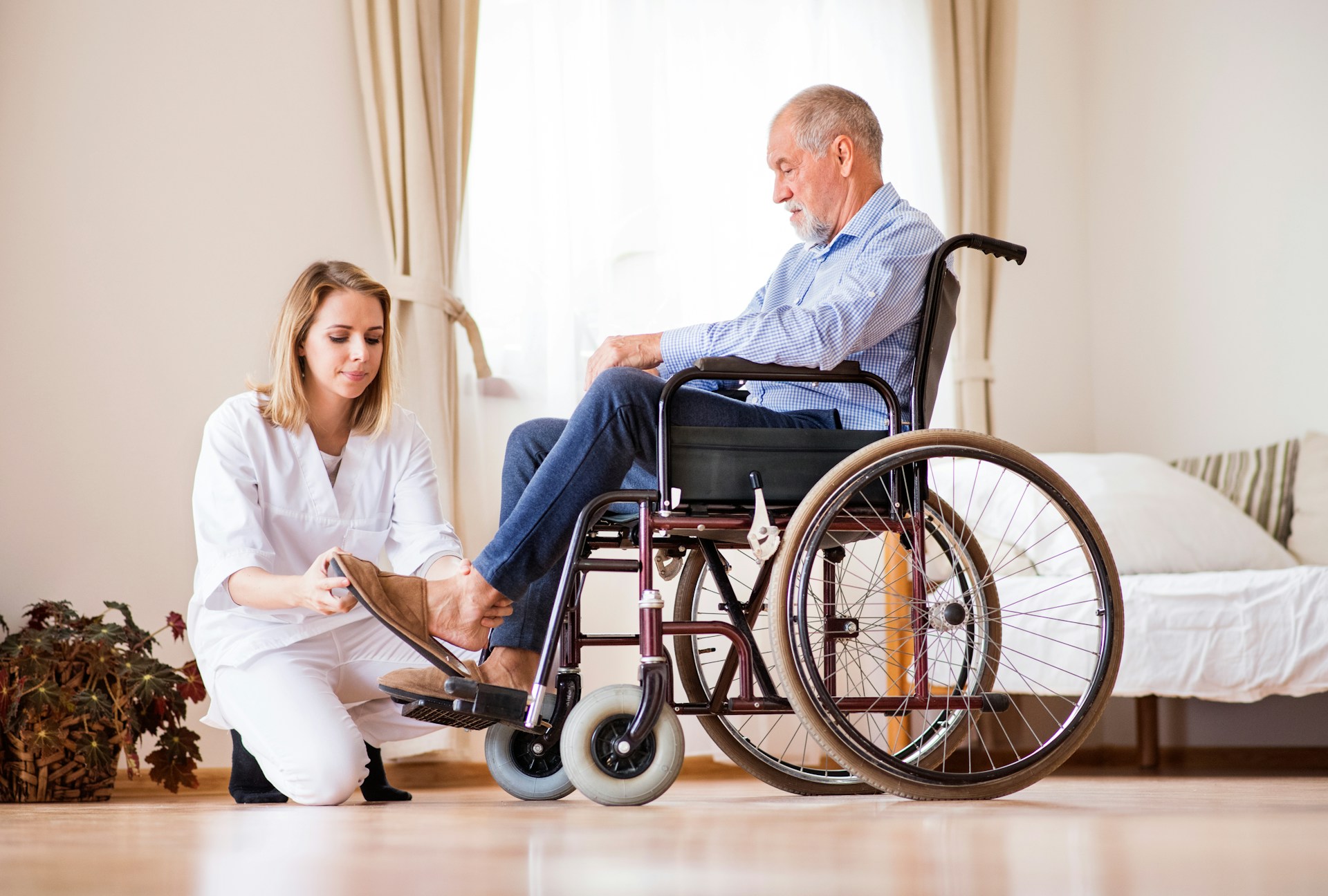
Physician-led, mobile advanced wound care brings hospital-grade treatment right to the bedside. Instead of sending a fragile resident out to a clinic or hospital, the wound expert comes into the facility. This can include:
- Bedside wound evaluations by a physician or advanced provider
- Point-of-care procedures like debridement when appropriate
- Selection and application of advanced dressings
- Infection management guided by clinical judgment
- Ongoing follow-up visits with clear wound progress tracking
For facilities, this approach can offer many practical benefits. When complex wounds are treated on-site, there may be fewer hospital transfers. Documentation tends to be clearer and more detailed, which helps with survey readiness and communication with families. Stronger clinical outcomes support quality measures and can contribute to better star ratings.
A service like Niva Health Wound Care does not replace the nursing home team; it works with them. Effective mobile wound care means close coordination with:
- Nurses and aides who perform daily care and dressing changes
- Therapy staff who help with mobility and pressure relief
- Dietitians who support protein intake and hydration
- Primary care providers who manage chronic conditions
Shared care plans, timely updates, and clear communication with families all help keep everyone on the same page. The goal is simple: give every resident the chance to heal with the level of care they would expect in a hospital, without leaving their room.
Choosing the Right Wound Care Partner in Michigan
For administrators and directors of nursing, choosing a wound care partner is a key decision. Not all wound services are the same. Some practical criteria to consider include:
- Physician leadership, with physicians guiding the care model
- Specific experience with nursing home wound care in Michigan
- Ability to provide mobile bedside visits in your area
- Access to telemedicine support when in-person timing is tight
- Responsiveness to urgent or rapidly changing wounds
When evaluating options, helpful questions to ask include:
- How often can your team see residents at the bedside?
- What does your documentation process look like, and how does it fit with our systems?
- Do you provide education and support for our nursing staff?
- How do you approach infection control and antibiotic use?
- How do you communicate with primary care providers and families?
Regional coverage also matters. Facilities need reliable support across Michigan, including during holidays and busy summer months when admissions may increase and families visit more often. During these times, expectations for visible wound progress and clear communication are even higher, so a consistent, organized partner is important.
Take Action Before the Next Wound Becomes an Emergency
One of the most helpful steps a facility can take is to look honestly at current wound outcomes. Clinical leaders can review:
- Which wounds have been hardest to heal
- How often residents with wounds are sent to the hospital
- Which cases have caused the most stress for families and staff
In many of these situations, specialized wound support might have changed the path of care. By planning ahead, facilities can be ready before the next high-risk wound appears. Establishing a relationship with a physician-led mobile wound care team, such as Niva Health Wound Care, means there is a trusted partner ready when needs rise, including during peak summer and holiday seasons.
Proactive planning does not just protect residents; it supports the entire care team. With expert wound care at the bedside, nursing homes in Michigan can feel more confident facing complex wounds, knowing they are not facing them alone.
Support Better Healing Outcomes For Your Residents
If your facility is ready to reduce preventable complications and improve wound healing, we are here to partner with you. Our specialized team provides comprehensive bedside services focused on consistent, evidence-based care for your residents who need nursing home wound care in Michigan. At Niva Health Wound Care, we collaborate closely with your staff to streamline treatment plans and documentation. To discuss how we can support your facility, please contact us today.